
Last updated November 23, 2026
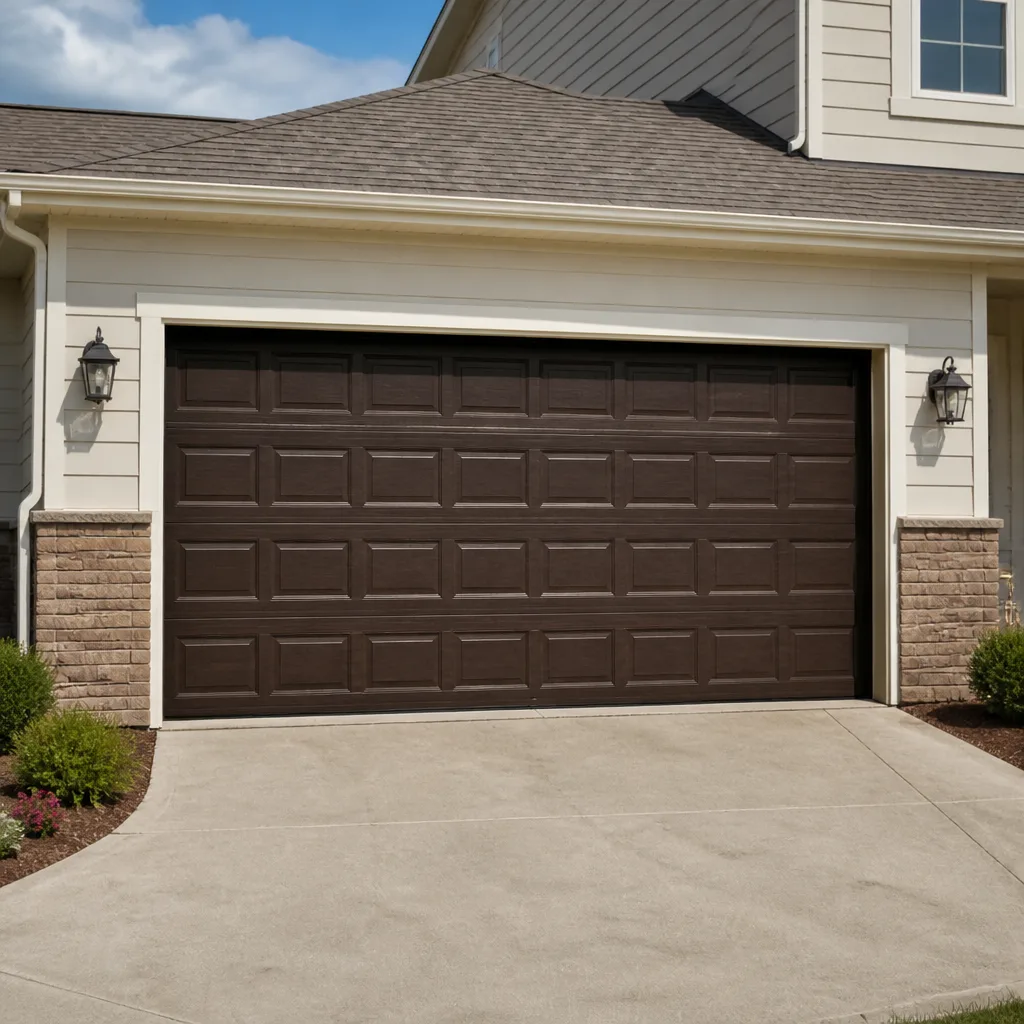 Raised-panel steel
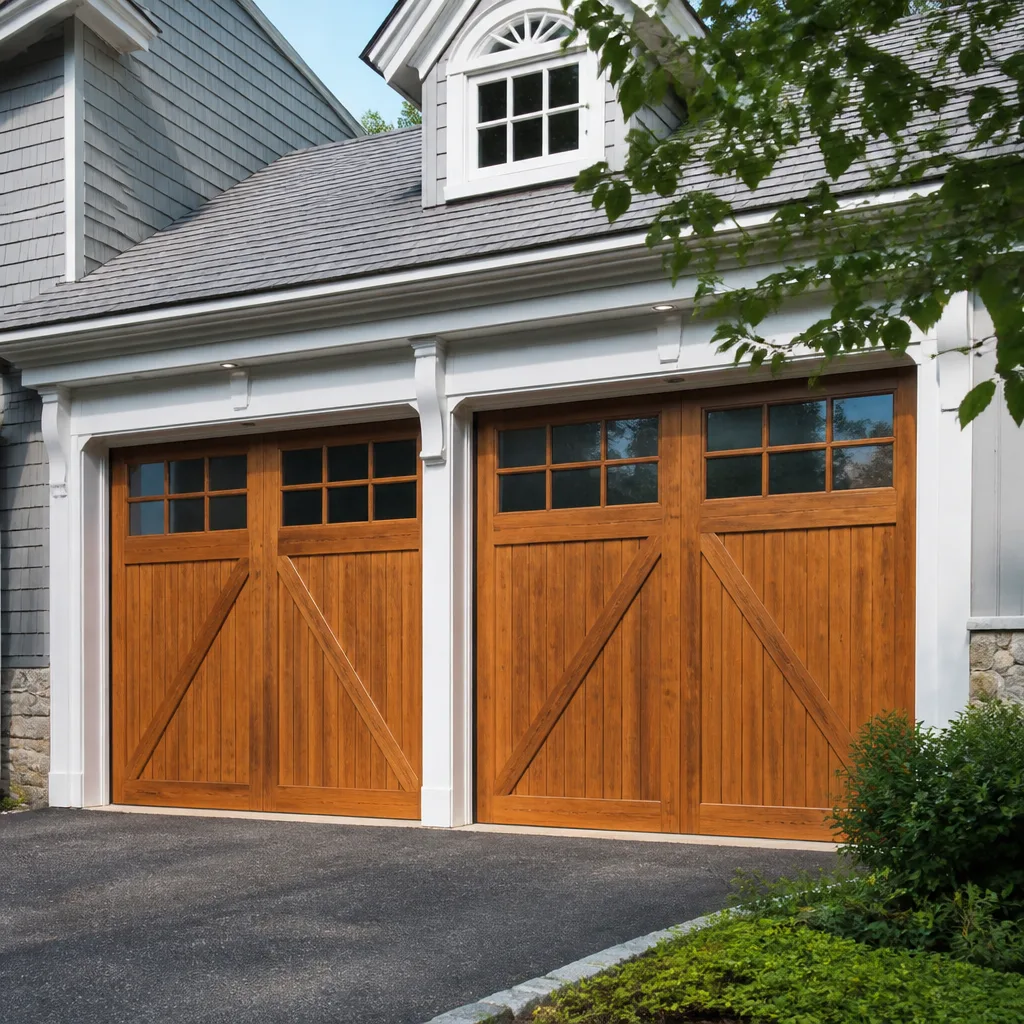 Carriage house
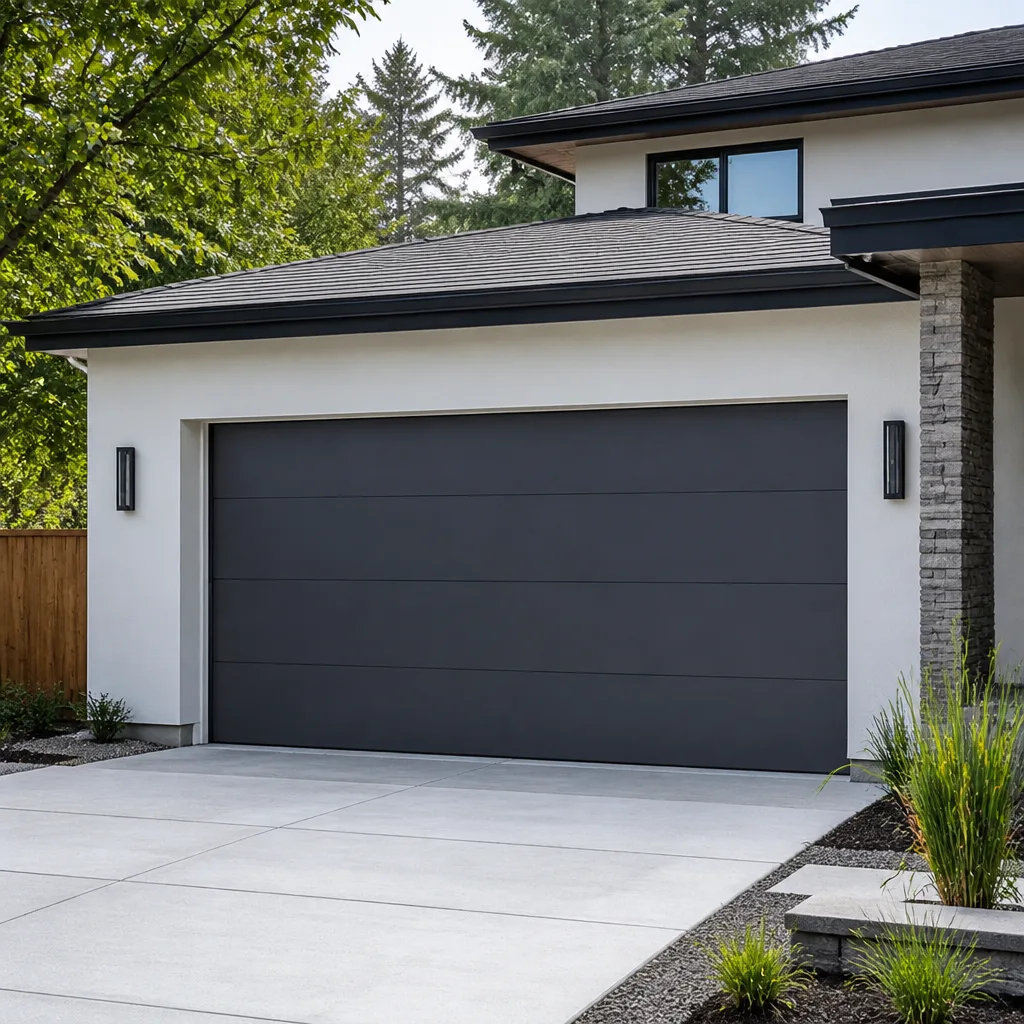 Modern flush
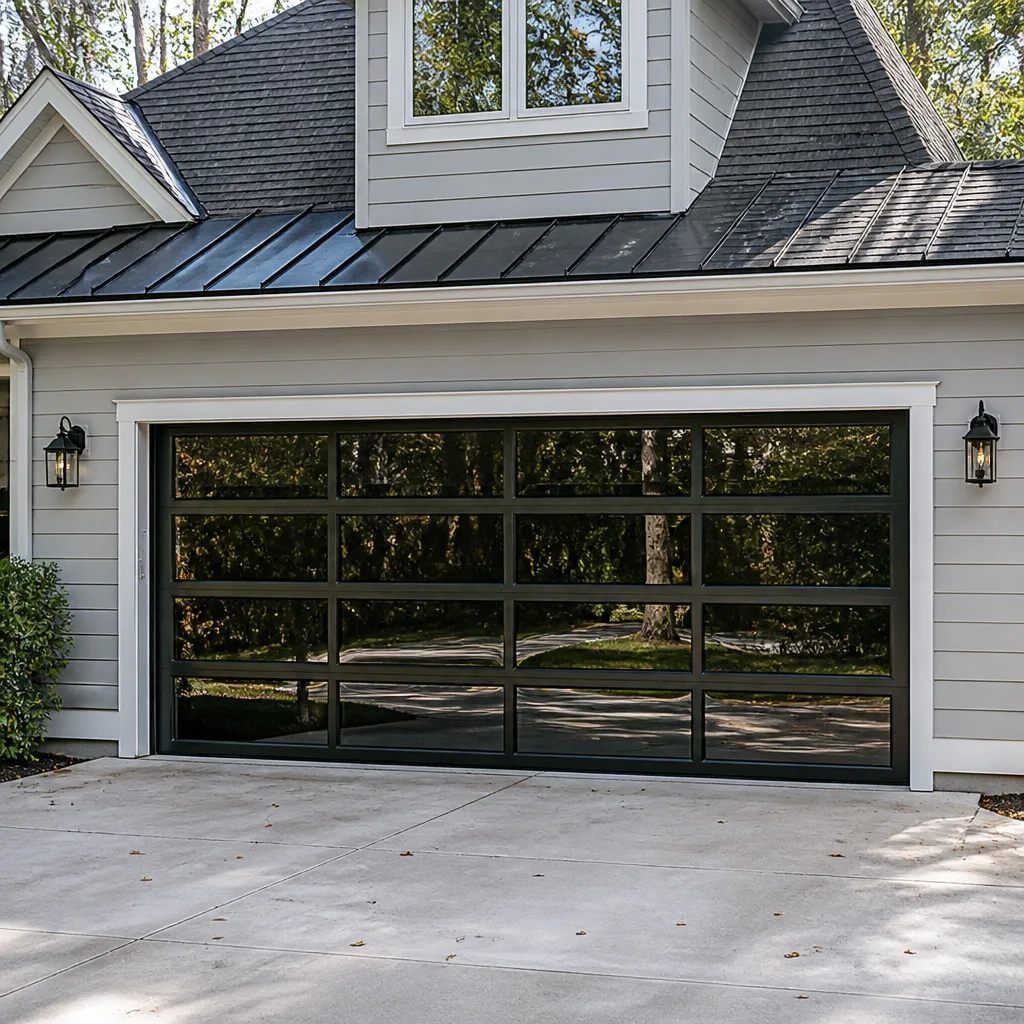 Full-view glass
 LiftMaster openers
 Chamberlain openers
Full 25-point door and opener safety check with every visit - springs, cables, rollers, tracks, and your LiftMaster or Chamberlain opener included
You get a price before we start. It does not change when the pro arrives.
Get your free estimateGarage Door Permits, Codes & Inspections in Fruit Cove, FL: What You Need to Know
Most homeowners assume a garage door is like a refrigerator: buy it, install it, done. In Florida, that assumption can cost you. A garage door is a rated structural assembly, and in St. Johns County it falls under some of the strictest wind-load rules in the country. Install one without the right paperwork and you can face a stop-work order, a forced removal and reinstall, and in the worst case a voided wind-mitigation credit on your homeowner’s insurance. This guide walks through exactly when a permit is required in Fruit Cove, how the application and inspection process runs, and what inspectors actually look for. By the end you’ll know which jobs need a permit, which don’t, and how to protect the insurance credit that comes with a permitted install.
Quick Answer
In St. Johns County, a permit is required to replace or install a new garage door, because the door is a rated wind-load product that must meet Florida’s High-Velocity Hurricane Zone product approval rules. Repairs to existing doors, such as spring, cable, roller or opener replacements, generally do not require a permit. Always confirm the specifics with St. Johns County Building Services before scheduling work, since the final say on any project rests with the local building department.
Styles & brands we work with
- Raised-panel steel
- Carriage house
- Modern flush
- Full-view glass
- LiftMaster openers
- Chamberlain openers
Table of Contents
- When Is a Garage Door Permit Required in Fruit Cove?
- Repair, Replacement, or Opener Swap: What Actually Triggers a Permit
- How Florida’s Hurricane Zone Product Approval Rules Affect Door Selection
- The Permit Application Process Through St. Johns County Building Services
- What a Final Inspection Actually Checks
- The Most Common Reasons Doors Fail First Inspection in Florida
- How a Permitted Install Protects Your Wind-Mitigation Credit
- Working With a Garage Door Specialist in Fruit Cove
When Is a Garage Door Permit Required in Fruit Cove?
A permit is required when you replace a garage door or install a new one. It is generally not required for repairs to an existing door. The dividing line is simple to state and sometimes confusing in practice: if the door assembly itself is being removed and a new one hung in its place, the county treats that as a structural change to the building envelope. That means the new door must carry a product approval that matches the wind-load requirements for the location, and a permit gives the county a record of the install.
Why does this matter more here than in most places? Because Florida treats garage doors as part of the building’s wind-load resistance. A garage door is a large opening in the wall. Under wind pressure it’s one of the weakest points of the structure, and the state’s building code reflects that. St. Johns County enforces those rules on residential garage door replacements, and the county’s building department is the authority on any particular address in Fruit Cove.
So when you’re planning work in Fruit Cove, ask yourself three questions:
- Am I replacing the whole door, or repairing a part of it?
- Is the new door a different model, manufacturer or rating than the old one?
- Am I changing the opening, framing, or any structural part around the door?
If you answered yes to any of those, plan for a permit. That said, the county’s own building department has the final word on any specific address, so a quick call to them before ordering anything is always the right move – especially where new construction or a change to the opening is involved.
One practical note: the county’s requirements, fees and turnaround times shift from year to year. Treat any general guide, including this one, as a starting map and treat the county’s own response to your project as the definitive answer. Fruit Cove’s mix of older single-family homes and newer construction means the door style and opening vary a lot from street to street, and so do the details a permit reviewer cares about.
Repair, Replacement, or Opener Swap: What Actually Triggers a Permit
Most of the work on a garage door does not need a permit. Replacing a broken spring, a frayed cable, a worn roller, a bent track or a dead opener is repair work on an existing rated assembly. You are not changing the door’s structural performance, so the county generally does not get involved. This is the everyday category of garage door repair, and it covers the vast majority of what homeowners in Fruit Cove actually need.
The category that does trigger a permit:
- Full door replacement. Old door comes out, new door goes in. This is a permit job.
- New installation. A garage that was open, or a new build, needs a permit and an inspection.
- Changing the door model. A different model, weight or wind rating needs paperwork that matches the door being installed.
- Structural changes around the opening. Re-framing, re-heading, widening or reshaping the opening all count as structural work.
A garage door opener repair, or swapping out a worn opener for a new one, typically does not require a permit, because the opener is a mechanical and electrical accessory rather than a structural part of the envelope. Circuit-level electrical work is a different matter and belongs to a licensed electrician, but for the opener itself most homeowners are in repair territory.
The tricky middle case is a door that has been damaged and needs new panels. Sometimes a door can be repaired panel-by-panel. Sometimes the damage is serious enough that the safest and most durable answer is a full replacement. In our experience, that’s the point where a quick conversation about what the county will want saves weeks later. If a door has genuinely suffered structural damage, replacing it is the responsible choice, and a permit is part of doing the replacement correctly.
For the specific case of failed springs, see our garage door spring repair page. Spring work is a repair, not a replacement, but it’s also the most dangerous component in the whole system – a wound spring stores enormous tension and should only be handled by a trained technician. We’ll come back to safety later.
How Florida’s Hurricane Zone Product Approval Rules Affect Door Selection
Florida divides the state into wind zones, and the highest requirement is the High-Velocity Hurricane Zone, or HVHZ. The exact zone map is maintained by the Florida Building Commission, so the correct zone for any specific Fruit Cove address is something to confirm with St. Johns County Building Services. What matters for a homeowner is that garage doors installed in this part of Florida must carry a product approval – documentation from the manufacturer showing the door has passed the required wind-pressure testing.
Product approval is not a marketing sticker. It’s a technical document that says: this door, with these panels, this reinforcement, this glass or no glass, and this hardware, has been tested to a given design pressure. When you replace a garage door, the door you choose must have an approval that matches or exceeds what the location requires.
That affects your buying decision in ways most homeowners don’t expect:
- The door’s model number has to match the approved assembly. Substituting panels, changing window inserts, adding or omitting reinforcement can put the door outside its approval.
- Brand choice matters. We work on and install doors from Clopay, Amarr, Wayne Dalton, LiftMaster, Chamberlain, Genie, Craftsman and Raynor. All eight are well established, and most have a range of approved products for Florida wind zones.
- Reinforcement is often the differentiator. A door rated for a high wind zone may have a reinforced strut system, heavier hinges and specific anchor specs. The difference isn’t cosmetic.
- Documentation travels with the door. Keep the product approval, the installation instructions and any paperwork the installer provides. You’ll want them for the inspection and possibly for insurance.
When we talk to a Fruit Cove homeowner about replacement, we lead with the specifics of their door brand and their opening rather than a generic pitch. That habit came from doing this work long enough to know that a “close enough” door is not close enough in a county that enforces the state’s wind-load code.
The Permit Application Process Through St. Johns County Building Services
The permit process itself is more straightforward than it sounds. The county handles the application, the review and the final inspection. Your role is to give the county accurate project information and to hire a contractor who can provide the documentation the county needs. Here’s how we’ve seen the process go, in general terms:
- Confirm the scope. Decide whether you are replacing the door, installing a new one, or repairing it. A repair generally skips the permit step entirely.
- Choose a door with a product approval. The door and its components (panels, reinforcement, glazing, hardware) need to match the approval for the wind requirements at your address.
- Submit the application to St. Johns County Building Services. That’s the county office that issues and tracks residential permits. You or your contractor can call them to ask what the specific application needs. The answer is the definitive one.
- Let the county review the submittal. The reviewer checks the product approval, the scope description, the address, and the contractor’s information. If anything doesn’t match, the application comes back with a comment and gets re-submitted.
- Schedule the install once the permit is issued. The installation is the first physical step. Do not install before the permit is issued; that’s the fastest way to turn a routine job into a hard problem.
- Call for the final inspection. When the install is finished, request the inspection through the county and have the approval paperwork ready.
- Pass the inspection and close the permit. The final inspection sign-off closes the permit and becomes part of your property record.
Turnaround times vary with the county’s workload and the completeness of the submittal. A clean submittal goes through quickly; one with missing or mismatched documentation goes back in the queue. That’s why we’d rather spend extra time up front confirming the right door model than spend extra weeks waiting on a correction. Fruit Cove homeowners with a specific address and timeline can call the county directly for current processing estimates, and we’d recommend they do.
What a Final Inspection Actually Checks
The final inspection is not a deep audit of the door’s internals. It’s a verification that what was installed matches what was permitted, and that the installation meets code. In practice that means the inspector is looking for a handful of specific things:
- The installed door matches the approved model. The label or identifier on the door needs to correspond to the product approval in the permit file.
- The approved assembly was used. If the approval specifies reinforcement, anchoring or specific hardware, that hardware needs to be present and installed as instructed.
- The installation was done according to the manufacturer’s instructions. Fasteners, anchoring and the relation of the door to the framing all matter.
- Safety features are present and functioning. That usually includes the door’s safety reversal behavior and, where applicable, the opener’s safety sensor behavior.
- The opening and framing are as permitted. No surprises like a re-framed opening that wasn’t in the application.
The inspector will typically look at the paperwork, look at the door, and confirm the two match. Our role as a garage door specialist is to make that match easy: the model, the parts and the labeling all line up before the inspector arrives, so there’s nothing to discuss. That’s the practical reason to choose a company that works with specific brands across the board – Clopay, LiftMaster, Chamberlain and the rest each have their own labeling conventions, and a technician who works on your brand routinely knows exactly what the paperwork needs to say.
If the inspection fails, the county issues corrections and the permit stays open until the corrections pass. A second visit is common, and it’s not a catastrophe – but it does add weeks. The best remedy is prevention, which is the whole point of choosing the right door for the right approval in the first place.
The Most Common Reasons Doors Fail First Inspection in Florida
In our experience with Florida inspections, doors don’t usually fail because the install itself is sloppy. They fail because the paperwork doesn’t match the door. The specific problems we see fall into a short list:
- Door on site doesn’t match the approved model. A substitute panel, a different glazing option, or a different color batch can put the door outside the approval.
- Missing or mismatched product approval. The permit expects proof of approval; the installer shows up without it, or with an approval for a different door.
- Reinforcement added or skipped. If the approved assembly calls for reinforcement and it isn’t there, that’s a fail. Conversely, adding aftermarket bracing that isn’t in the approval can also fail.
- Hardware substitutions. Replacing hinges, anchor bolts or brackets with different parts than the approved assembly.
- Safety features disabled or not functioning. A non-responsive or bypassed safety reversal or a sensor that doesn’t report correctly.
- Installation not per manufacturer instructions. Fastener type, anchor spacing or attachment to framing that doesn’t follow the door’s own manual.
The common thread: the door installation has to be a faithful copy of the approved assembly. That’s how Florida’s system works, and a garage door specialist who works under that system routinely knows how to avoid the mistakes. We’ve seen how a clean submittal combined with a brand-matched door turns the final inspection into a short walkthrough.
How a Permitted Install Protects Your Wind-Mitigation Credit
Homeowner’s insurance in Florida is expensive, and wind-mitigation will help with that. Insurance carriers offer credits for homes that have structural features – and documentation – that reduce wind risk. A permitted, inspected, properly rated garage door is one of those features. The insurer needs proof, and the proof is a closed permit, an approved product approval and an inspection sign-off.
That’s the practical importance of doing this correctly. A door installed without a permit may function perfectly for years, but when you need to show your insurer what’s protecting the house, there’s nothing on file. And when you’re trying to sell, or when a claim arises, the absence of a permit becomes a much bigger problem than it was on installation day.
What you can do to keep the documentation trail strong:
- Keep the product approval and the installation instructions for the door you installed.
- Keep a copy of the permit and the final inspection sign-off.
- Photograph the label or model number on the installed door.
- Pass the whole packet to your insurance agent and ask them what credit your carrier applies.
The specific credit and the amount depend on your carrier and coverage, so the right person to answer the dollar question is your insurance agent. But the prerequisite – a permitted install with documentation – is entirely in your control, and it’s worth doing right the first time.
Working With a Garage Door Specialist in Fruit Cove
The permit process is mostly paperwork and patience. The work that actually protects your home is the installation itself, and that’s where choosing a specialist matters. We’re a single-trade garage door company. We don’t do roofing or remodeling on the side. Our technicians have up to 11 years of experience, and that experience is 100% directed at garage door repair, opener work, spring replacement and full installation.
In practice, that means you aren’t the person explaining your garage door to a general contractor. We work on equipment from LiftMaster, Chamberlain, Genie, Clopay, Amarr, Wayne Dalton, Craftsman and Raynor, so most homes in Fruit Cove are already covered without compatibility guesswork. Fruit Cove Garage Door Repair handles the whole job – we check the product approval against the address, we handle the paperwork we need to provide, and we keep our focus on getting the final inspection to pass the first time. One call covers the install, the opener and the follow-up, so you don’t need a second company partway through.
For a purchase this structural, the right approach is to treat it as a measured job: a free measure, a written price, and a scheduled install once the permit is issued. If you have a door that’s damaged and you’re not sure whether it’s a repair or a replacement, we’re glad to look at it and tell you what we’d recommend, free of charge. There’s no pressure to replace anything that can be fixed correctly.
Common Mistakes to Avoid
- Skipping the permit to save a week. A permit is not a formality in St. Johns County. Replacing a door without one can force a full removal and reinstall, and it can leave you without the documentation you’d need at insurance time.
- Installing before the permit is issued. The county’s process is designed to happen in order. If you install first, the county can require it to come out before it can be inspected. Confirm the permit in hand before the door goes up.
- Buying a door with no product approval. A door rated for a different zone may work mechanically, but it isn’t compliant at your address. Check the approval before you buy.
- Mixing panel or hardware from a different model. The door is a tested assembly. Substituting components can push it out of approval. Use the exact parts for the approved model.
- Treating spring work as a do-it-yourself job. Springs, cables and the door’s lift mechanism are under extreme tension. This is not a repair that belongs in a homeowner’s weekend project list.
- Losing the paperwork. The product approval, permit and inspection sign-off are the proof an insurer will want. Keep them together.
- Assuming an old door has a permit. Homes in Fruit Cove include a lot of older construction. If you’re replacing a door that has been there for decades, the earlier install may never have been permitted. That’s a reason to keep the new install clean rather than a reason to skip the process.
See the difference
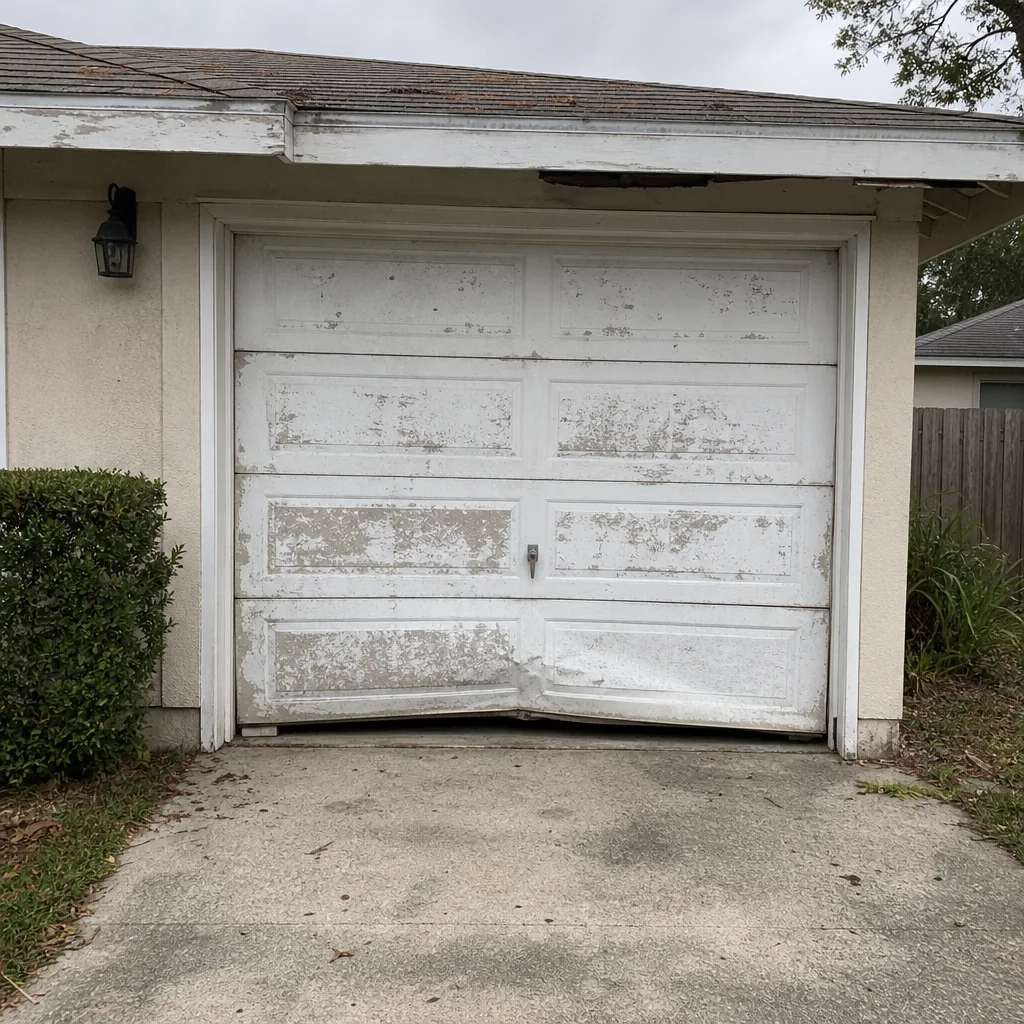 Before
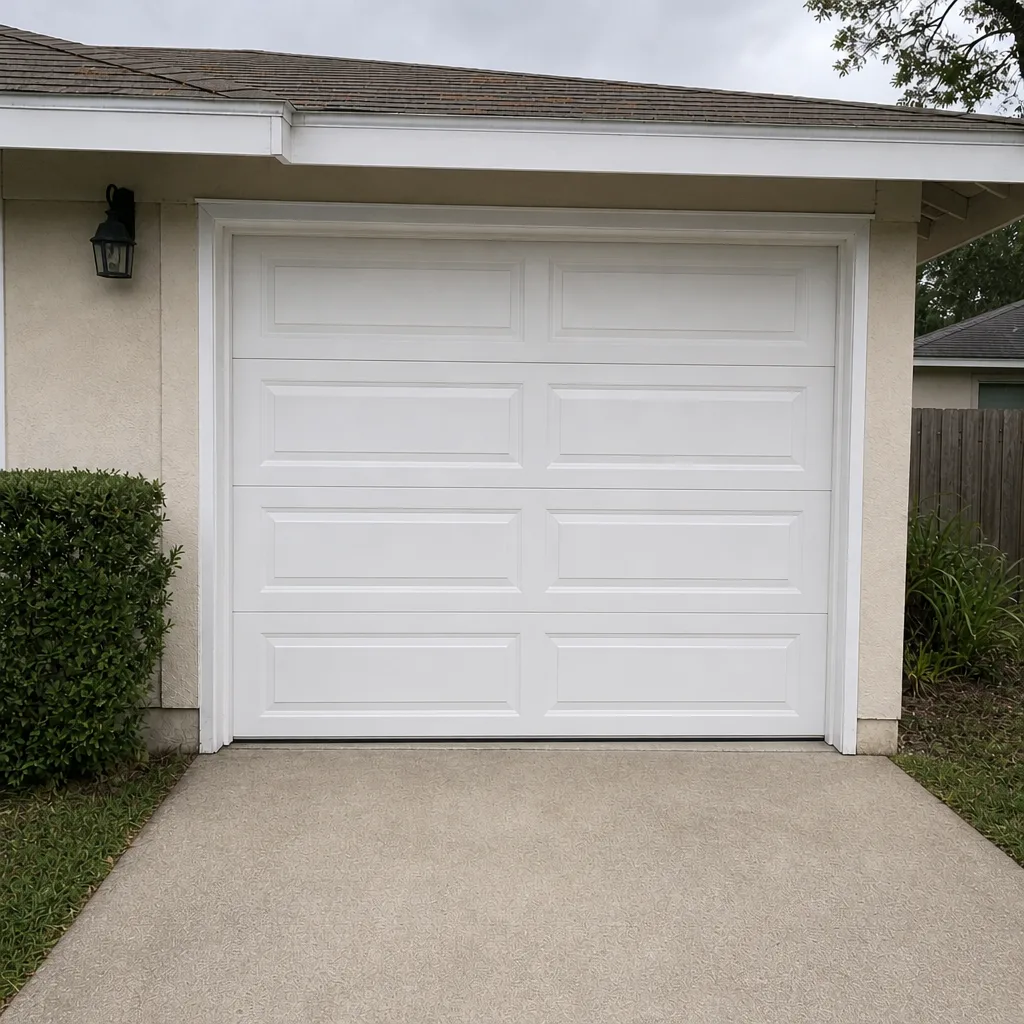 After
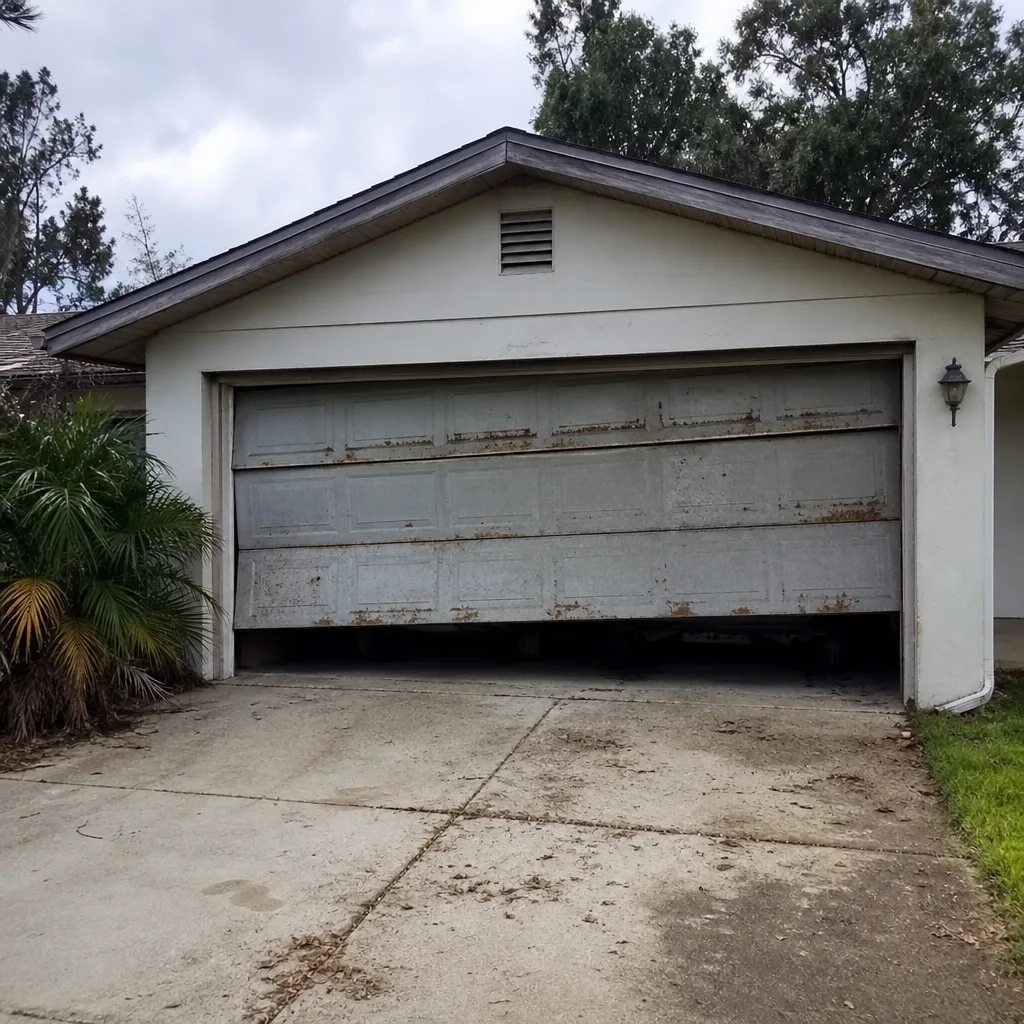 Before
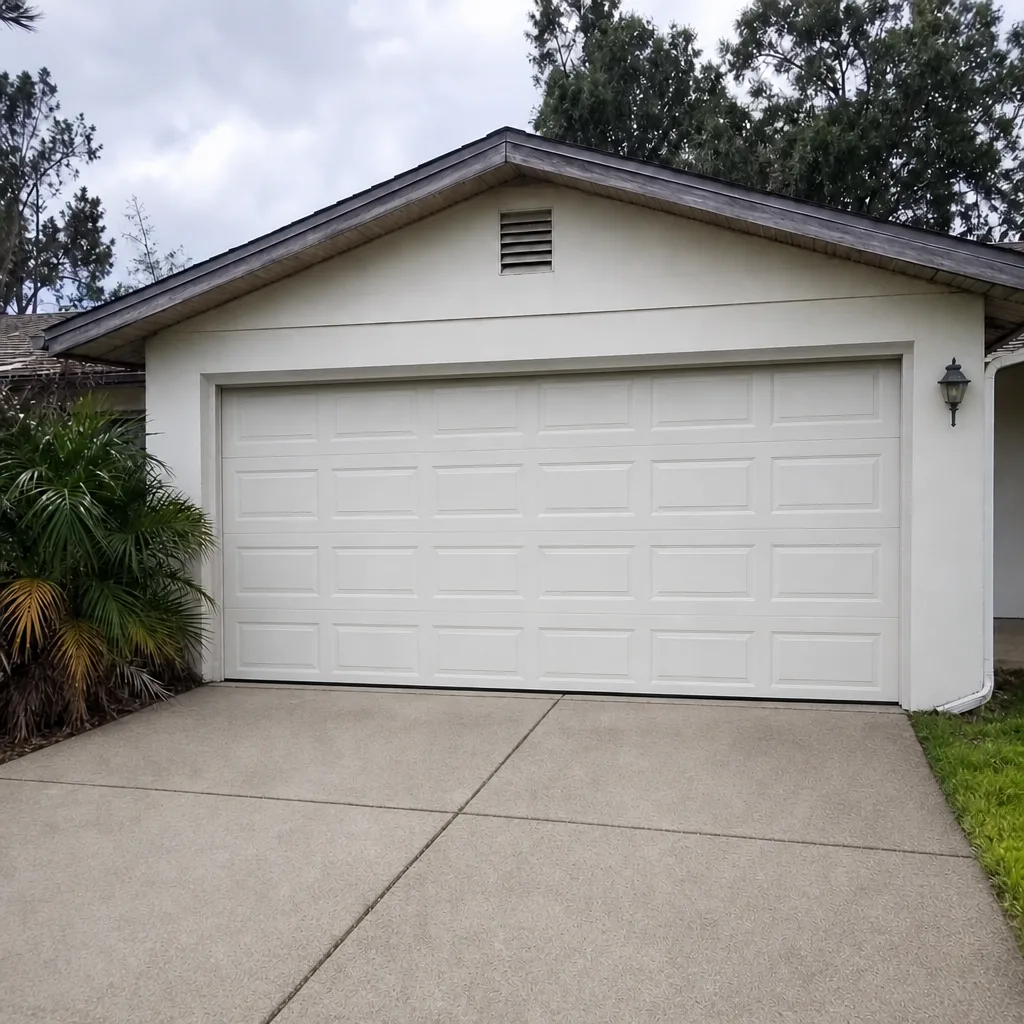 After
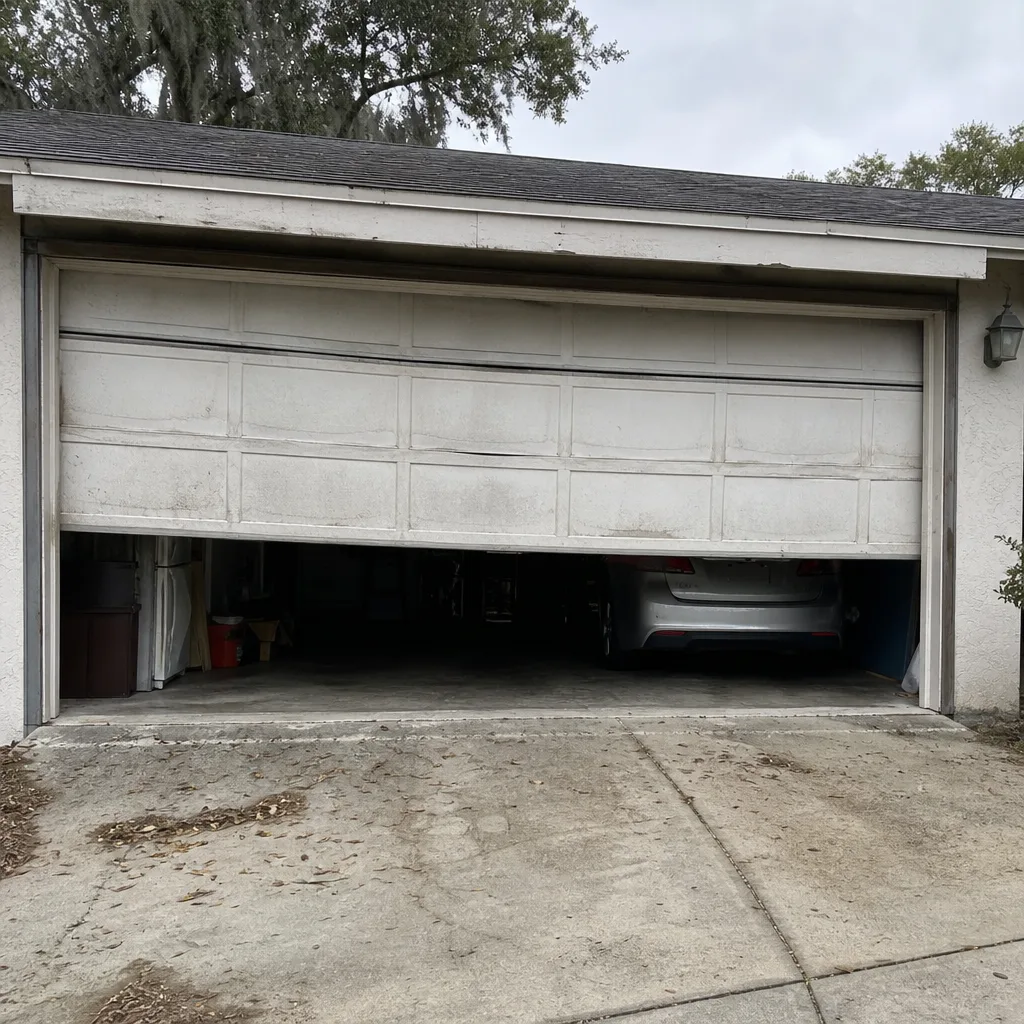 Before
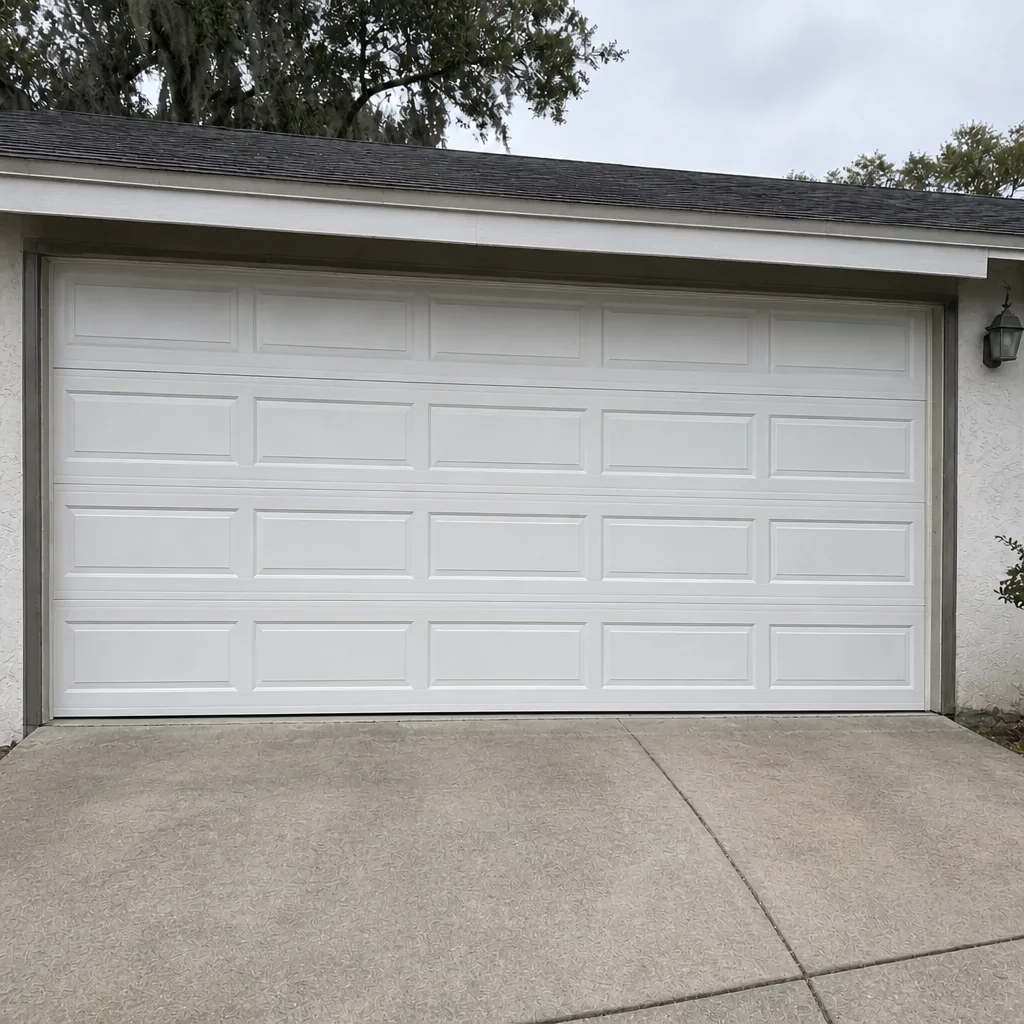 After
When to Call a Professional
Not every problem requires a permit, but many require a trained eye. Call a professional if the door won’t open or close all the way, if a spring snaps or the door is suddenly too heavy to lift, if the door hangs crooked or one side comes off the track, if the opener cycles and the door doesn’t respond, or if the door is damaged enough that you’re considering replacement. Repair is often the right first answer, and the inspection step is where we get specific: we look, we measure, and we tell you whether the door can be restored or needs to come out. For the urgent cases, our emergency service is available: we answer 24/7, and we keep fast dispatch from 7am to 7pm, Sunday through Friday, closed Saturday. Same-day service is available for urgent failures. Fruit Cove Garage Door Repair offers free estimates in Fruit Cove – call (866) 481-7215.
Frequently Asked Questions
Yes. A full garage door replacement in St. Johns County requires a permit, because the installed door must match a product approval that meets the wind-load requirements at the address. Confirm the specifics with St. Johns County Building Services before you order, since they have the final say on any particular property. For exact costs on the work around it, call (866) 481-7215 – estimates are free.
No. Replacing a garage door opener is generally treated as repair work, not a structural change, so a permit is typically not required. If you’re moving wiring or adding a new circuit for the opener, that’s a separate electrical question for a licensed electrician. If you’re not sure whether your job is a repair or a replacement, call (866) 481-7215 and we’ll help you sort it out.
Turnaround depends on the county’s current workload and on whether your application is complete on the first pass, so there’s no single number. A clean submittal with a matching product approval moves faster than one that gets corrections. The county’s office can give you a current estimate for your address, and a quick call there is the most reliable answer. Call (866) 481-7215 if you’d like us to walk through what the submittal for your door needs.
The county can require the door to be removed and reinstalled under a permit, which is a stop-work scenario, and the absence of a closed permit can affect the wind-mitigation documentation your insurer relies on. It’s the reason it pays to do the paperwork before the door hangs. If you’ve inherited a door that was never permitted, call (866) 481-7215 and we’ll help you assess the practical next step.
It can help. Florida insurers offer wind-mitigation credits to homes that have documented wind-resistant features, and a permitted, inspected garage door with a product approval is exactly the sort of documentation a carrier wants to see. The exact credit and dollar amount depend on your insurer and coverage. Bring the permit, inspection sign-off and product approval to your agent and ask what applies.
No. We measure and assess the door first, then give you a written estimate that sets the price. The work doesn’t start until you’ve agreed to that number. For a free estimate in Fruit Cove, call (866) 481-7215. We answer 24/7, with fast dispatch from 7am to 7pm, Sunday through Friday.
The Bottom Line
In Fruit Cove, a garage door replacement is a permit job, and the paperwork is a structural part of the project, not a formality. The permit confirms the door matches a product approval for the wind requirements at your address; the final inspection confirms it was installed as that approval specifies; and the closed permit with its documentation is what supports your wind-mitigation standing with your insurer. Repairs – springs, cables, rollers, openers – are typically outside that process. The most reliable path is to choose the right door for the approval, let a garage door specialist handle the install, and keep every piece of paper. If you have a job coming up, or a door you’re not sure about, call us at (866) 481-7215. We’ll look at it, give you a written price, and keep the work focused on one thing: your garage door.
Written by the team at Fruit Cove Garage Door Repair.