
Last updated November 23, 2026
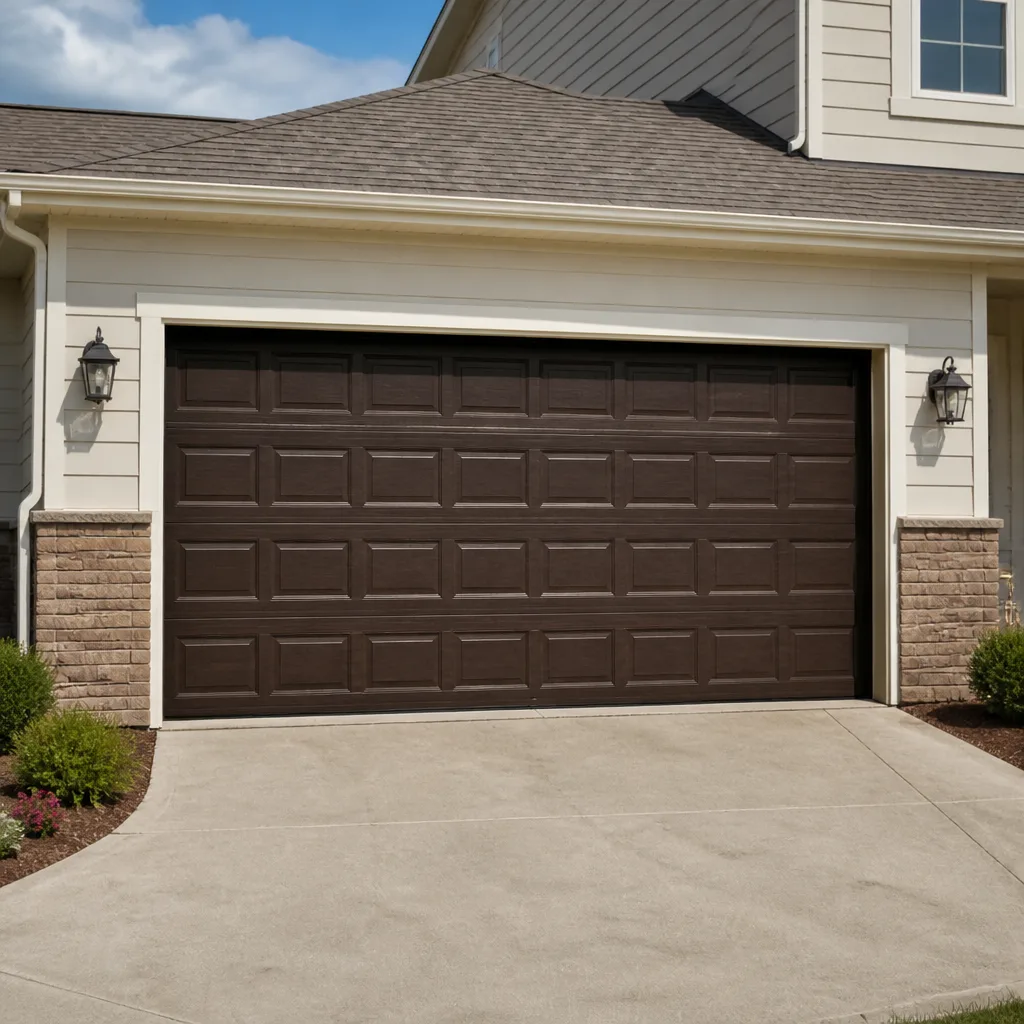 Raised-panel steel
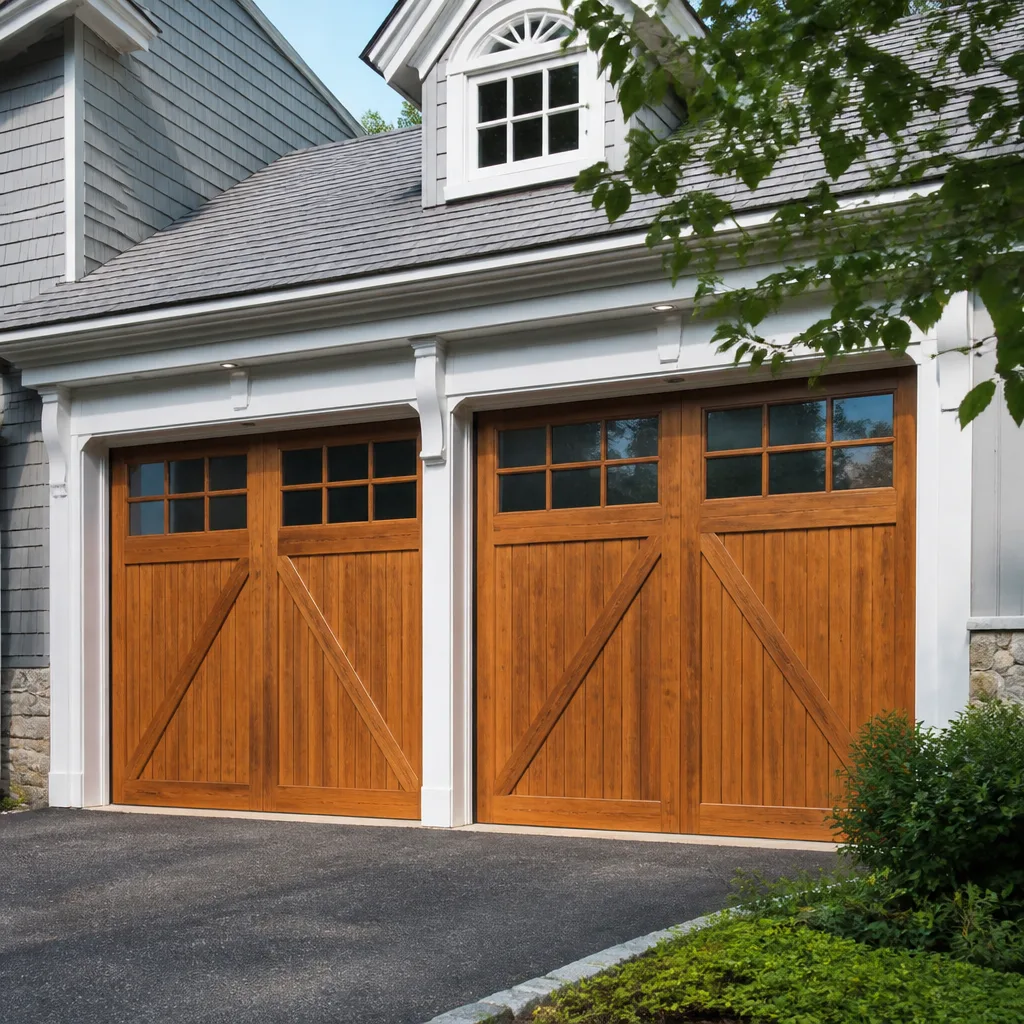 Carriage house
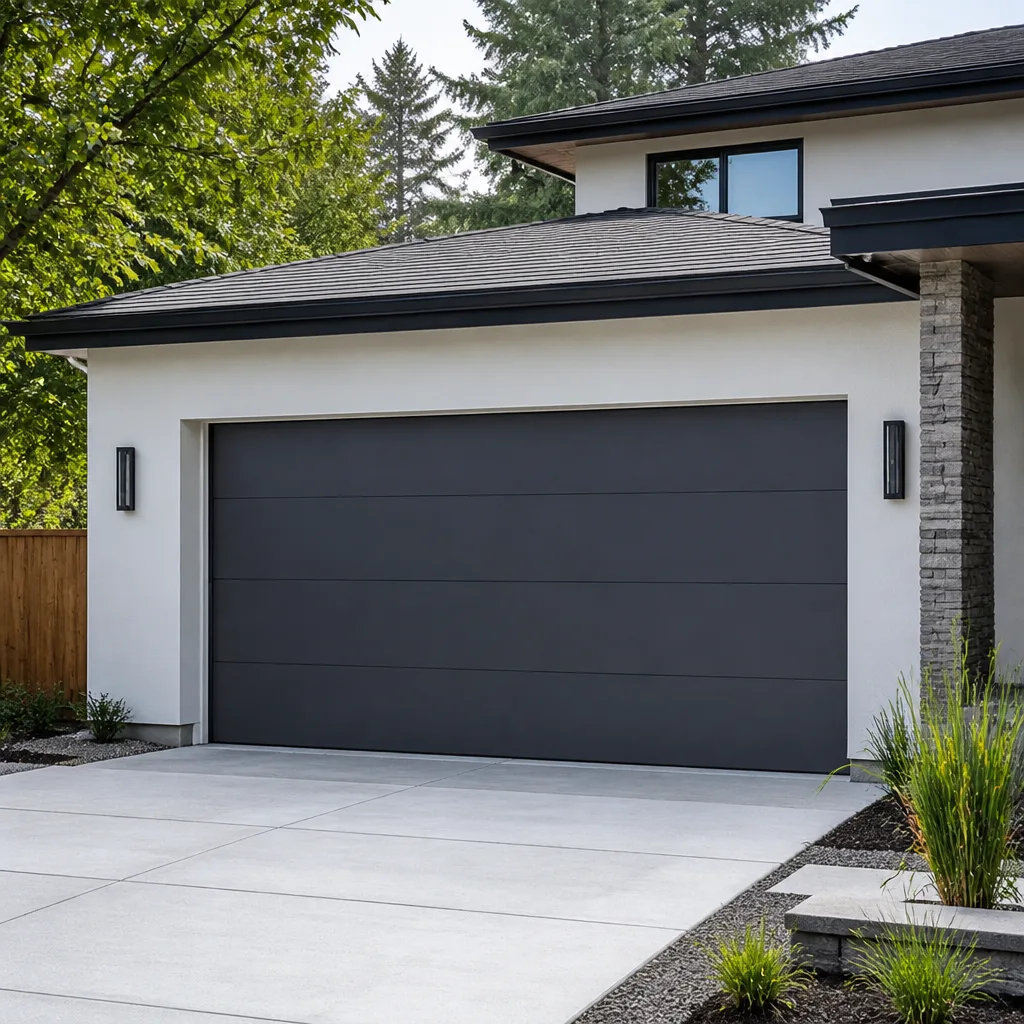 Modern flush
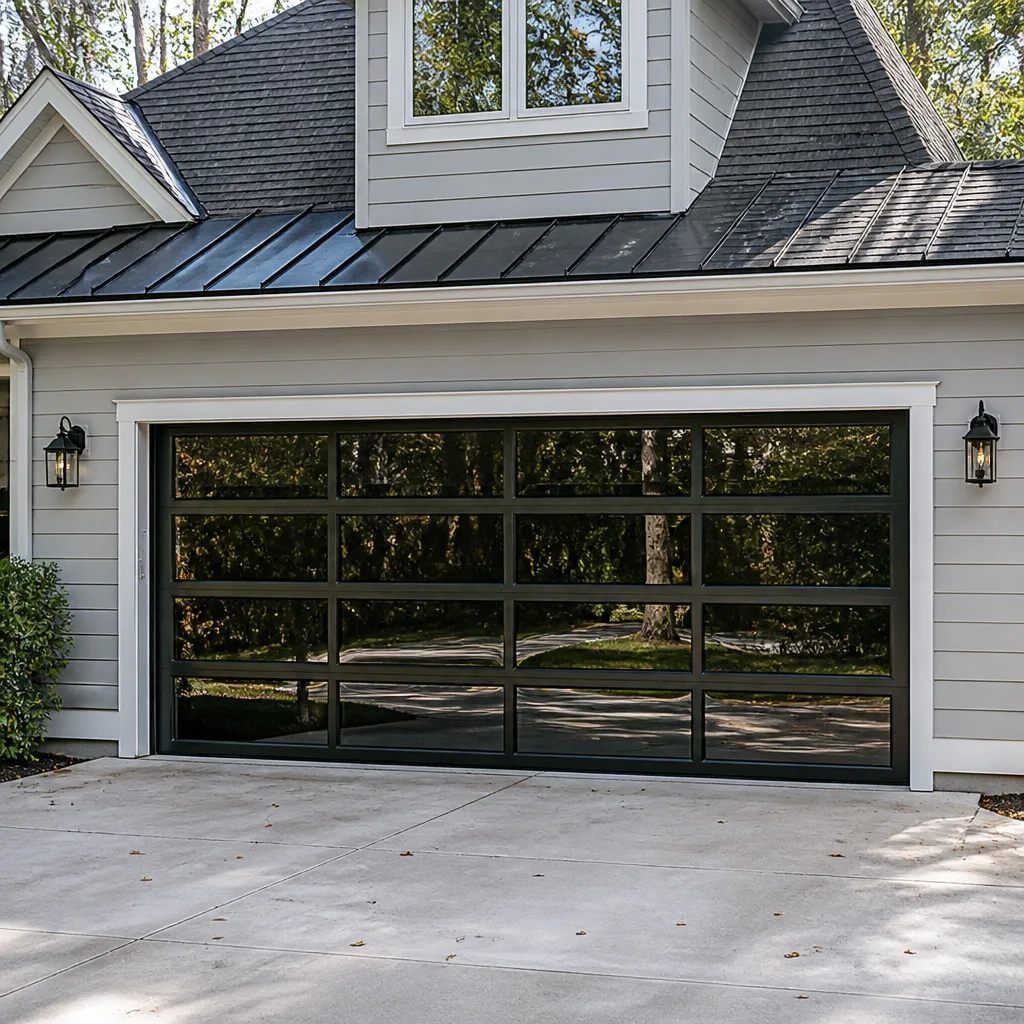 Full-view glass
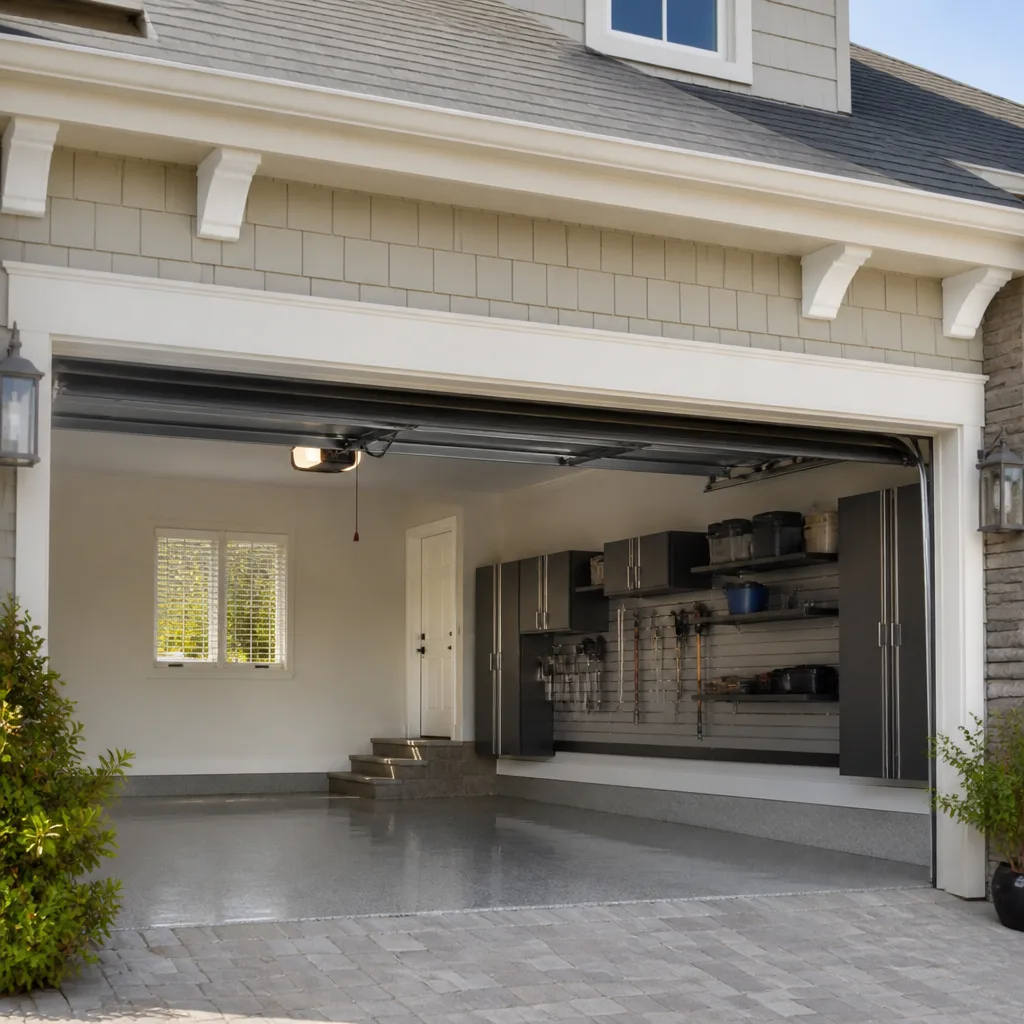 LiftMaster openers
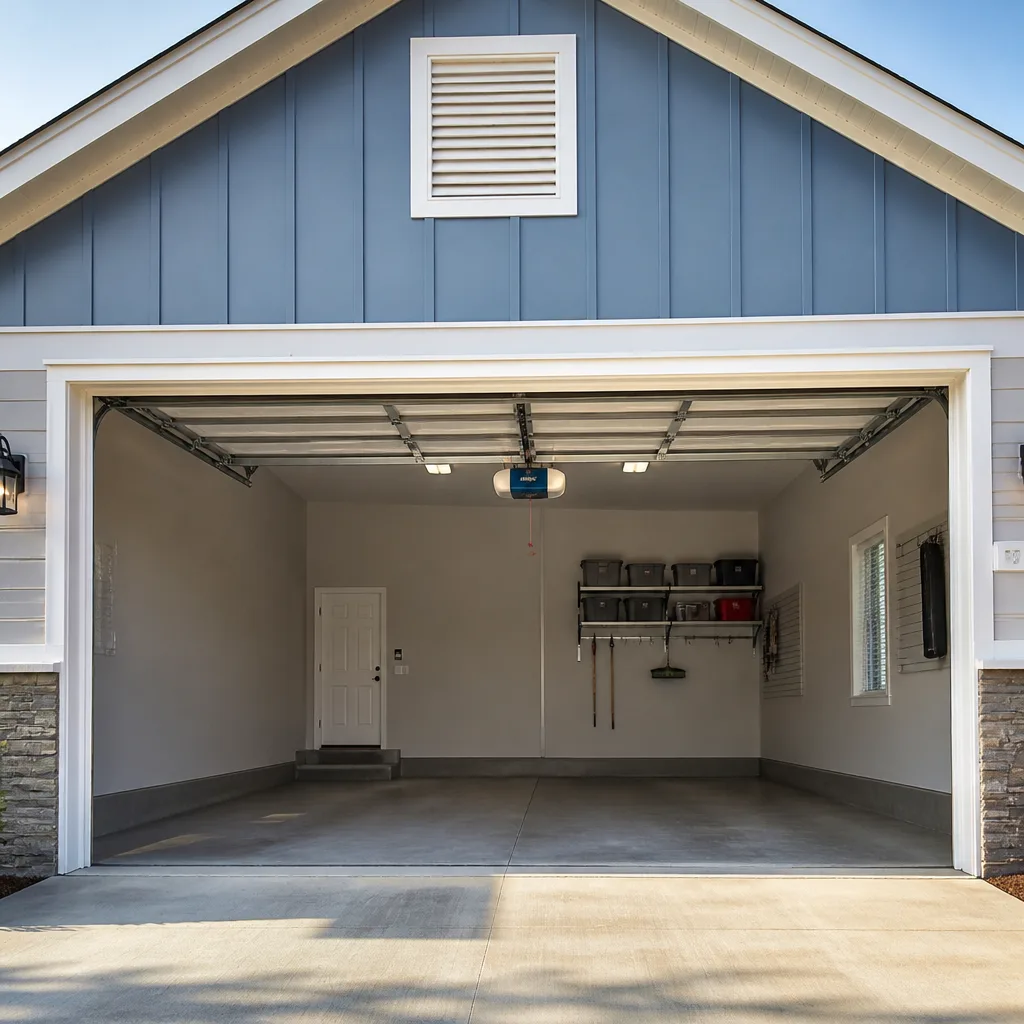 Chamberlain openers
Full 25-point door and opener safety check with every visit - springs, cables, rollers, tracks, and your LiftMaster or Chamberlain opener included
You get a price before we start. It does not change when the pro arrives.
Get your free estimateGarage Door Repair Troubleshooting in Fruit Cove: Common Problems and How to Fix Them
A garage door that reverses before it closes is not broken. It’s doing exactly what it was built to do. The safety system on your opener is designed to stop and reverse the door the moment it senses resistance, and most of the time that resistance is something you can clear yourself in under two minutes. Yet the reversal is the single most common reason people pick up the phone and ask for a service call. The gap between a sensor that needs a wipe and a spring that needs replacing is the gap between a quick DIY fix and a technician’s visit, and knowing which one you’re looking at saves you time, money, and a lot of frustration. This guide is written from Fruit Cove, and it walks you through reading what your door is actually telling you, symptom by symptom, before you touch a single component.
Quick Answer
To troubleshoot a garage door in Fruit Cove, start with the safest checks first: confirm the opener has power, wipe the safety sensors clean and make sure they’re aligned, then test the wall switch and remote. If the door still won’t respond, watch and listen to how it behaves: a grinding noise points to track or roller trouble, a door that opens a foot and stops points to a travel limit, and a door that rises a little then drops back points to a spring or cable problem that needs a technician. Anything involving springs or cables under tension is not a homeowner repair.
Styles & brands we work with
- Raised-panel steel
- Carriage house
- Modern flush
- Full-view glass
- LiftMaster openers
- Chamberlain openers
Table of Contents
- Symptom-to-Cause: What Your Door Is Telling You
- What You Can Safely Check Yourself
- What You Should Never Touch (Springs and Cables)
- The Two-Minute Reset That Fixes a Surprising Share of “Broken” Doors
- How Florida Weather Tells You the Wrong Story
- Reading Opener Error Codes Without the Manual
- Repair or Replace? Deciding What’s Worth Fixing
- When to Call a Professional
Symptom-to-Cause: What Your Door Is Telling You
Every garage door failure has a signature. The door itself tells you what’s wrong if you know what to look for, and reading the symptom correctly is what keeps a small problem from turning into a major one. Here’s how we map the most common behaviors to their most likely causes.
- Door won’t open at all. Most likely a power, remote, or opener logic issue. Check the wall switch first, then the remote, then the breaker. If the opener hums but doesn’t move, the motor is trying but the door is stuck or the drive is failing, which is a technician call.
- Door reverses before it closes. Safety sensor misalignment or obstruction nine times out of ten. Occasionally a travel limit set too far down. Almost always a homeowner fix.
- Door rises a little and stops. A travel limit problem, a broken spring, or a torsion counterbalance out of adjustment. If the door feels heavy when you try to move it by hand (with the opener disengaged), stop and call.
- Grinding or scraping noise. Dry or worn rollers, a bent track, or debris in the track. Late-stage roller wear sounds like a rumble; a screech usually means metal on metal.
- Door moves slowly or feels sluggish. Spring tension losing its balance, a failing opener capacitor, or cold-contracted lubricant. In Florida, summer heat can also make the door’s own weight and track fit behave differently than they do in cooler months.
- Door is crooked or off-track. A roller has jumped the track, a cable has come off its drum, or the door is bent. Stop operating the door and call. Running a crooked door can bend panels and make the repair bigger than it needs to be.
We’ve seen every one of these turn up in Fruit Cove homes, and the pattern is consistent: the doors that get the fastest diagnosis are the ones where the homeowner watched and listened instead of forcing the door to move. The behavior is a message. Read it before you start turning screws.
What You Can Safely Check Yourself
Some garage door troubleshooting is genuinely safe for a homeowner. Sensors, remotes, wall switches, and travel limits all sit outside the high-tension zone, and handling them yourself is smart and sensible. Here’s a safe checklist to work through in order:
- Confirm the opener has power. Check the wall outlet, the breaker panel, and that the opener’s light comes on when you press the wall button. No light means no power.
- Test both the wall switch and the remote. If the wall switch works but the remote doesn’t, the problem is in the remote or the receiver, not the door. If both fail, look at the opener.
- Wipe and align the safety sensors. They sit a few inches off the floor on each side of the door frame. Clean the lenses with a dry cloth, check for cobwebs, and make sure the small indicator light on each is lit and steady. If one is blinking, they’re out of alignment or blocked.
- Look for obstructions in the door’s path. A garden tool, a crate, or a piece of the door’s own hardware can trip the reversal. Clear the path and test again.
- Check the track for visible debris. With the door fully closed, look down the length of each track for leaves, pebbles, or anything that could catch a roller. Brush it out.
- Test the manual release. With the door fully closed and no one underneath, pull the red release cord to disengage the opener. If you can lift the door smoothly by hand, the balance is good. If it’s heavy or you can’t lift it, re-engage the opener and call a technician.
That’s the full safe list. Everything inside it is a homeowner-friendly check. Everything below the door panel and inside the torsion tube is a professional’s territory.
What You Should Never Touch (Springs and Cables)
Torsion springs and the cables that run beside them store enormous energy. A torsion spring can be under hundreds of pounds of tension at rest; releasing that tension the wrong way can cause serious injury. This is not a hypothetical. It’s why we treat spring failure as a safety issue, not just an inconvenience, and why our team won’t hand a homeowner step-by-step instructions for adjusting or replacing one. If your door’s spring has broken, if the door feels extremely heavy when you lift it by hand, or if you see a cable that’s come off its drum, that’s the point where you stop and call.
What you can safely do is confirm the likelihood. A broken torsion spring usually leaves a visible gap in the coiled spring above the door, and the door will feel very heavy when you try to lift it with the opener disengaged. A broken extension spring (on older doors with springs running above the horizontal tracks) shows as a spring hanging loose or snapped. Either way, don’t operate the door, and don’t try to help it open by hand.
When you’re ready to schedule a repair, our garage door spring repair team handles the high-tension work safely and can often come out the same day. The written estimate sets the price, and the price is agreed before any work starts, so there’s no surprise on the invoice.
The Two-Minute Reset That Fixes a Surprising Share of “Broken” Doors
Before you call for repair, run this reset sequence. In our experience, a meaningful share of “the door won’t work” calls resolve with these steps, and the ones that don’t give you clearer information to share with the technician when you do call.
- Power cycle the opener. Unplug it from the wall outlet, wait a full 30 seconds, and plug it back in. This clears a locked logic state on many openers, including common LiftMaster and Chamberlain units.
- Re-pair the remote. Press and hold the remote’s button while standing within a few feet of the opener, following the pairing sequence your opener uses (usually pressing the learn button on the motor head and then the remote). If the remote pairs and works, the door was fine and the remote was the whole problem.
- Wipe the sensor lenses and check the alignment lights. Both indicator lights need to be steady, not blinking. If one is blinking, nudge the sensor bracket side to side until the light holds steady.
- Clear the door’s path and test a full open and close cycle. Watch for hesitation, reversal, or the door stopping halfway. Note the exact behavior; that’s the information a technician needs.
If the door runs cleanly after this sequence, you’re done. If it doesn’t, you’ve narrowed the problem to something specific, which means the repair is faster and more accurate when our team arrives. That’s the difference between a quick sensor fix and a full spring replacement, and it’s worth two minutes to find out which one you’re dealing with.
How Florida Weather Tells You the Wrong Story
Fruit Cove’s summer humidity and strong afternoon sun create garage door symptoms that can mislead a homeowner. A door that creaks and drags in August might sound like a failing spring when it’s actually a track that has warped slightly with seasonal humidity and is now rubbing against a roller. A sensor that worked fine in January might be reporting false obstructions because the summer sun hits it at a low angle through the gap above the door and confuses the infrared beam.
Spring tension also behaves differently here than it would in a colder climate. Metal expands in heat, and a spring that was perfectly balanced in cooler weather can feel a bit light in the peak of summer. That doesn’t necessarily mean it needs replacement. It means the door’s balance should be checked properly, and the diagnosis should be made with the door in front of the technician rather than over the phone.
We work on eight major garage door and opener brands, including LiftMaster, Chamberlain, Genie, Clopay, Amarr, Wayne Dalton, Craftsman, and Raynor, which means most Fruit Cove homes are covered without compatibility guesswork. Humidity, sun exposure, and the way a particular door model was built all factor into what a technician sees when they arrive, and that’s why local knowledge matters more than a generic troubleshooting chart.
Reading Opener Error Codes Without the Manual
Modern openers use blinking light patterns or LED codes to tell you what’s wrong. The codes vary by brand, so reading them without the manual comes down to knowing the most common patterns. Here’s how to interpret the ones you’re most likely to see:
- LiftMaster and Chamberlain: A repeated number of flashes usually indicates a sensor or safety issue when it’s in the 1 to 5 range, and a logic or motor fault when it goes higher. Cleaning and aligning the sensors fixes the low-flash codes most of the time.
- Genie: The LED on the motor head often blinks a set number of times. A small number of blinks usually means sensor or obstruction; a larger set of blinks usually means a limit or logic problem.
- Craftsman (often built on the same platform as Chamberlain): Similar to the LiftMaster pattern, which is why our team can often diagnose it quickly.
- Wall control panels: Many openers show the code directly as a numeric error on the wall console, which is the fastest place to look.
When in doubt, note the number of blinks and how many times the pattern repeats. That’s the single most useful piece of information to share when you call our garage door opener repair team, and it can sometimes save a trip by confirming the diagnosis before we arrive. Our technicians have up to 11 years of experience reading these codes across the major brands, so even an ambiguous pattern usually points to a clear answer.
Repair or Replace? Deciding What’s Worth Fixing
Most garage door problems are repair problems, not replacement problems. A broken spring, a stuck sensor, a worn roller, a failing opener capacitor: these are all straightforward fixes, and our approach is same door, fixed right. Replacement is the right call in a narrower set of situations, and knowing the difference helps you avoid paying for a new door you didn’t need.
Consider repair first when:
- The door panel itself is intact and the problem is mechanical (springs, rollers, cables, opener).
- The door is operating but one or two components have failed.
- The opener still works mechanically but a component like a sensor or remote has gone.
Consider replacement instead when:
- The door has significant structural damage (dented, bent, or split panels that no longer run straight).
- The opener is failing at multiple points and repairs start stacking up.
- You’re making a design change anyway and the new door makes more sense than repeated repairs on the old one.
If you’re not sure which side of that line you’re on, our garage door repair team can take a look and give you a written estimate for both paths, so the decision is yours, made with clear information and no pressure.
When to Call a Professional
Call a professional the moment the symptom points to springs, cables, or a door that’s off-track. Those three categories carry genuine injury risk, and no amount of YouTube watching makes them safer. Call immediately if the door is hanging crooked, if a spring has visibly broken, if a cable has come off its drum, or if the door is stuck open or stuck closed and you can’t secure it. Also call if a safe check list doesn’t resolve a sensor or opener issue after the two-minute reset, since that usually means the problem sits deeper in the opener’s logic or motor.
Fruit Cove Garage Door Repair offers free estimates in Fruit Cove. Call (866) 481-7215. We answer 24/7, and fast dispatch from 7am to 7pm, Sunday through Friday, gets a technician to your door when the garage door won’t move and you need it fixed. Emergency service is a standard part of what we do, not an add-on, and the written estimate sets the price before any work begins.
See the difference
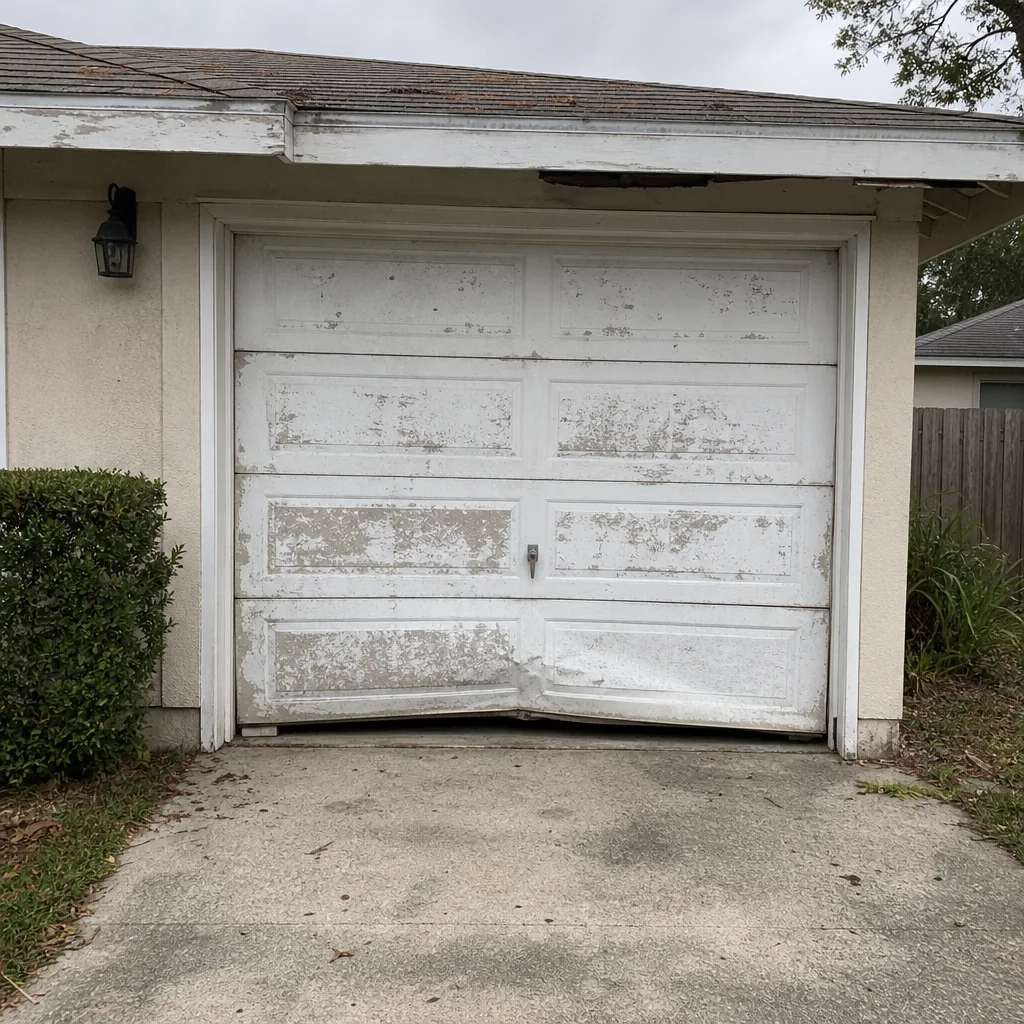 Before
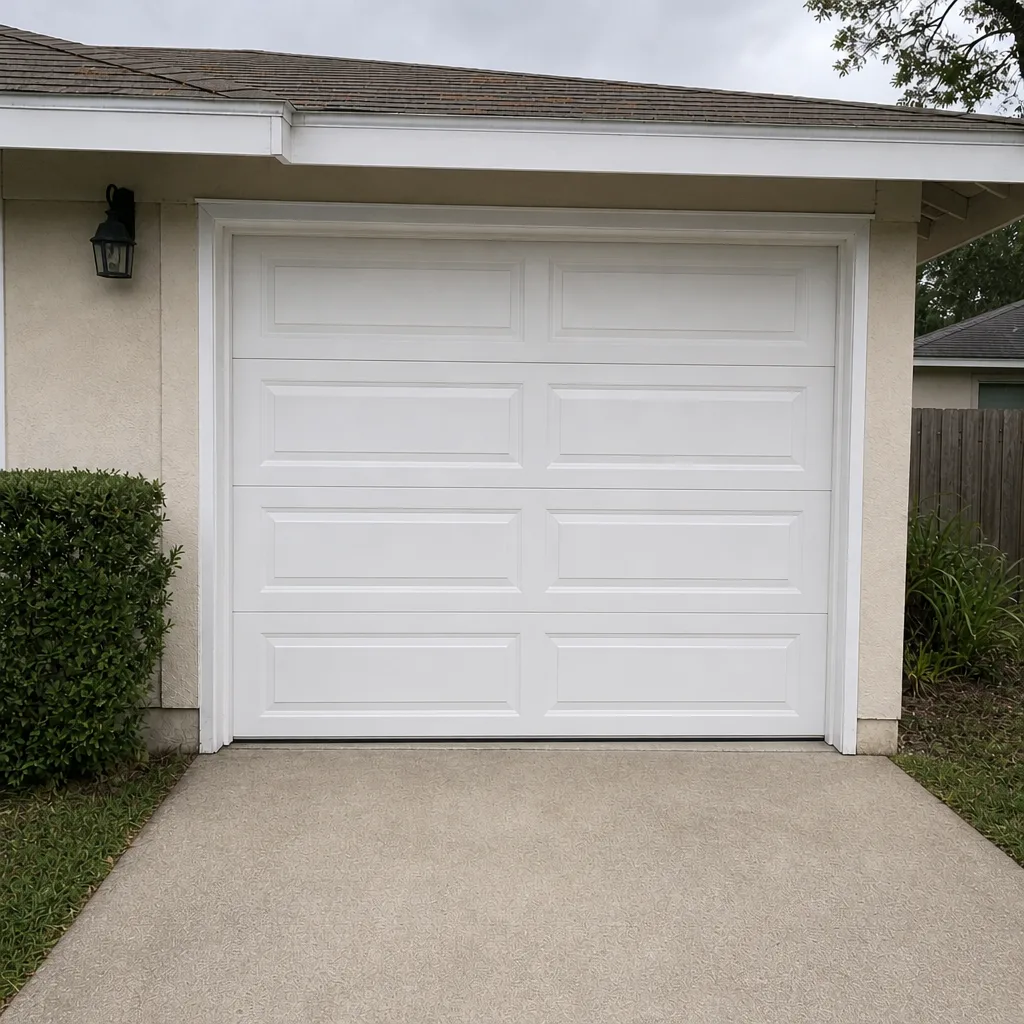 After
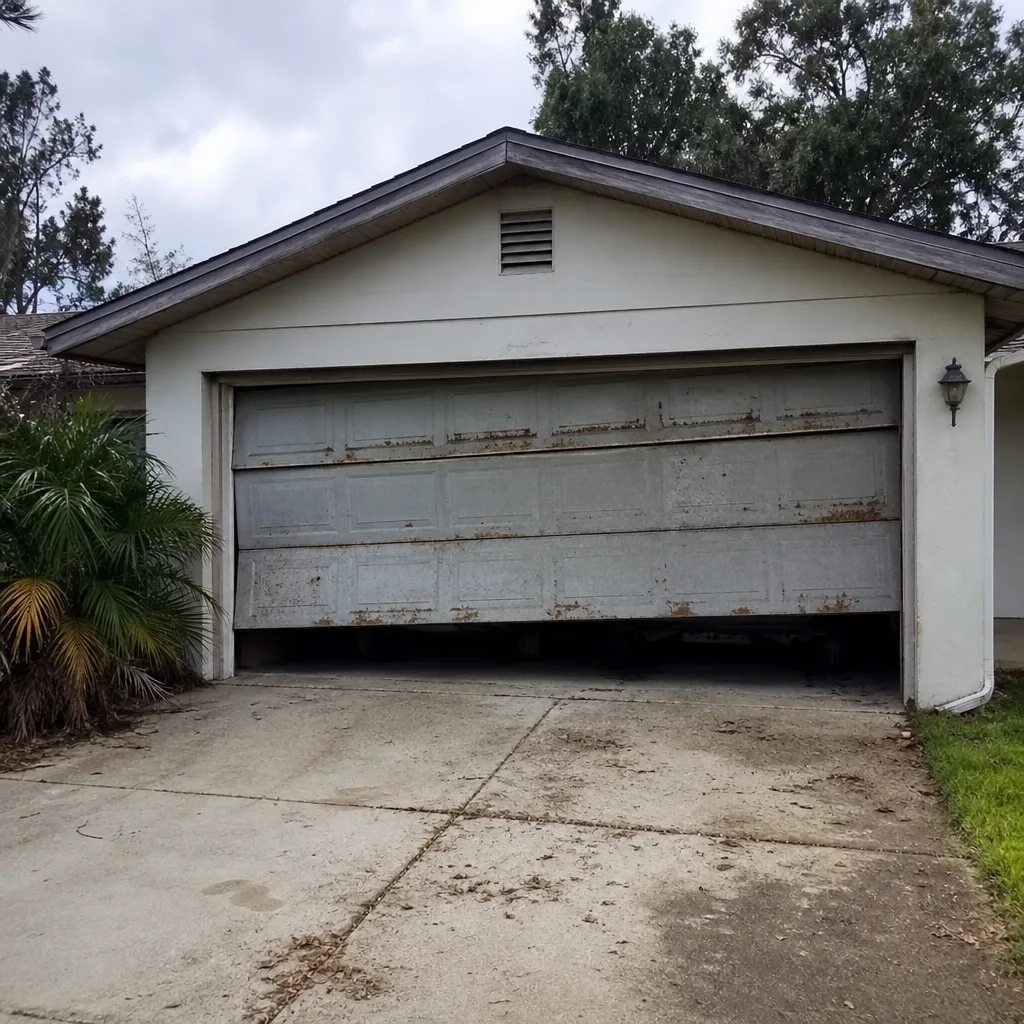 Before
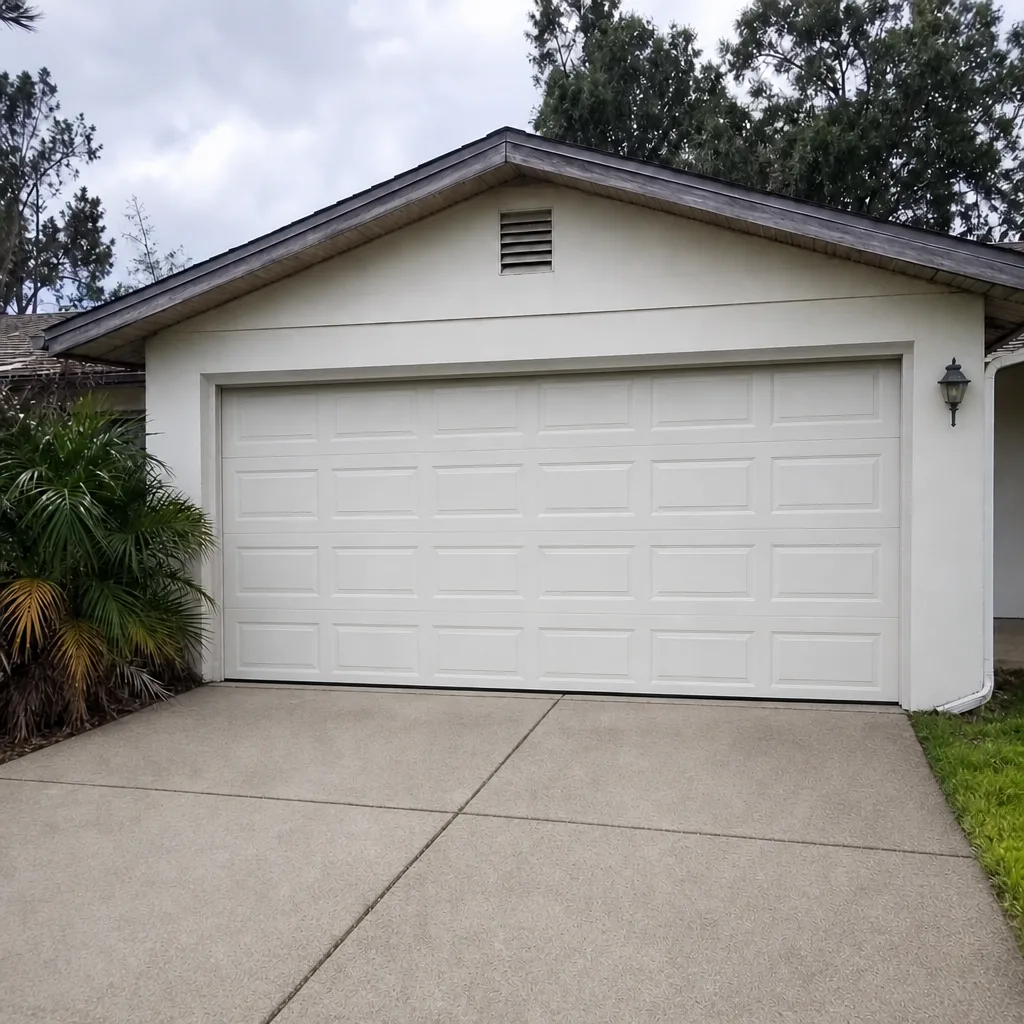 After
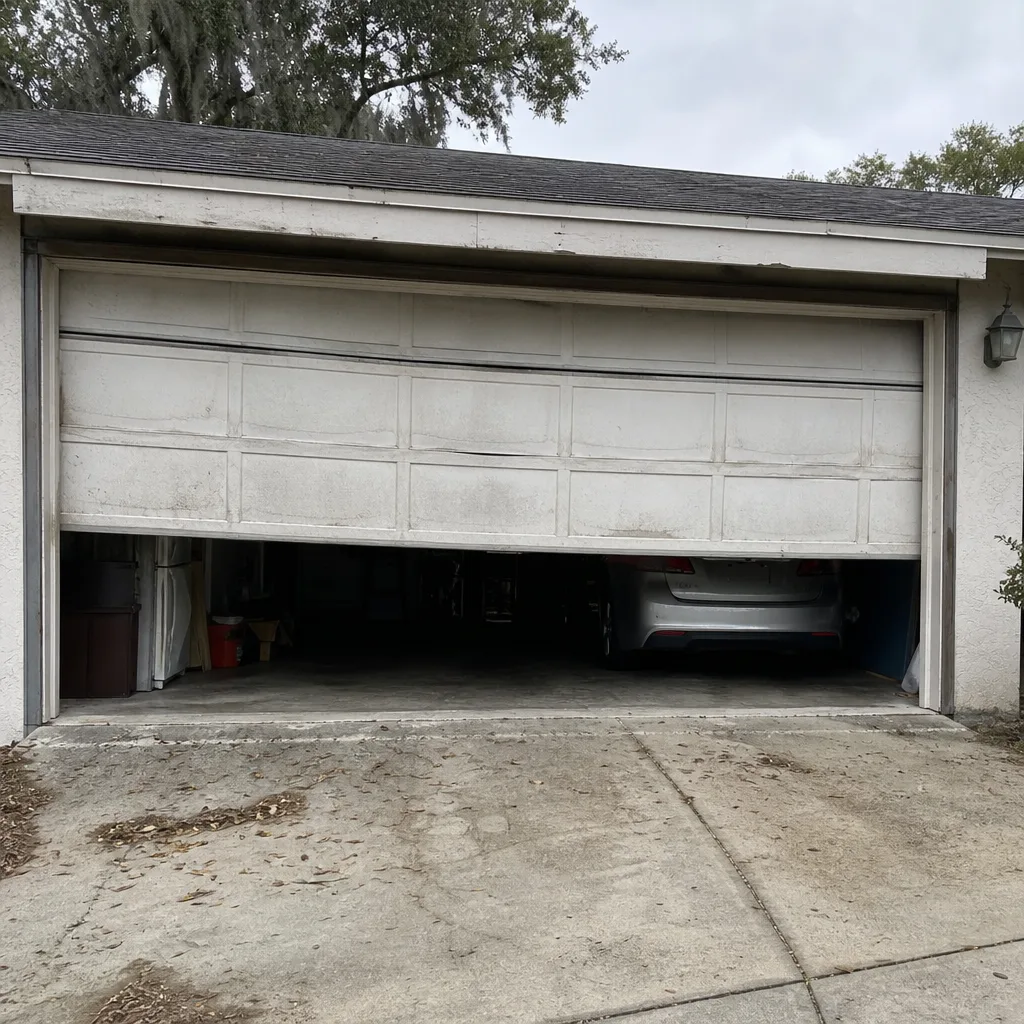 Before
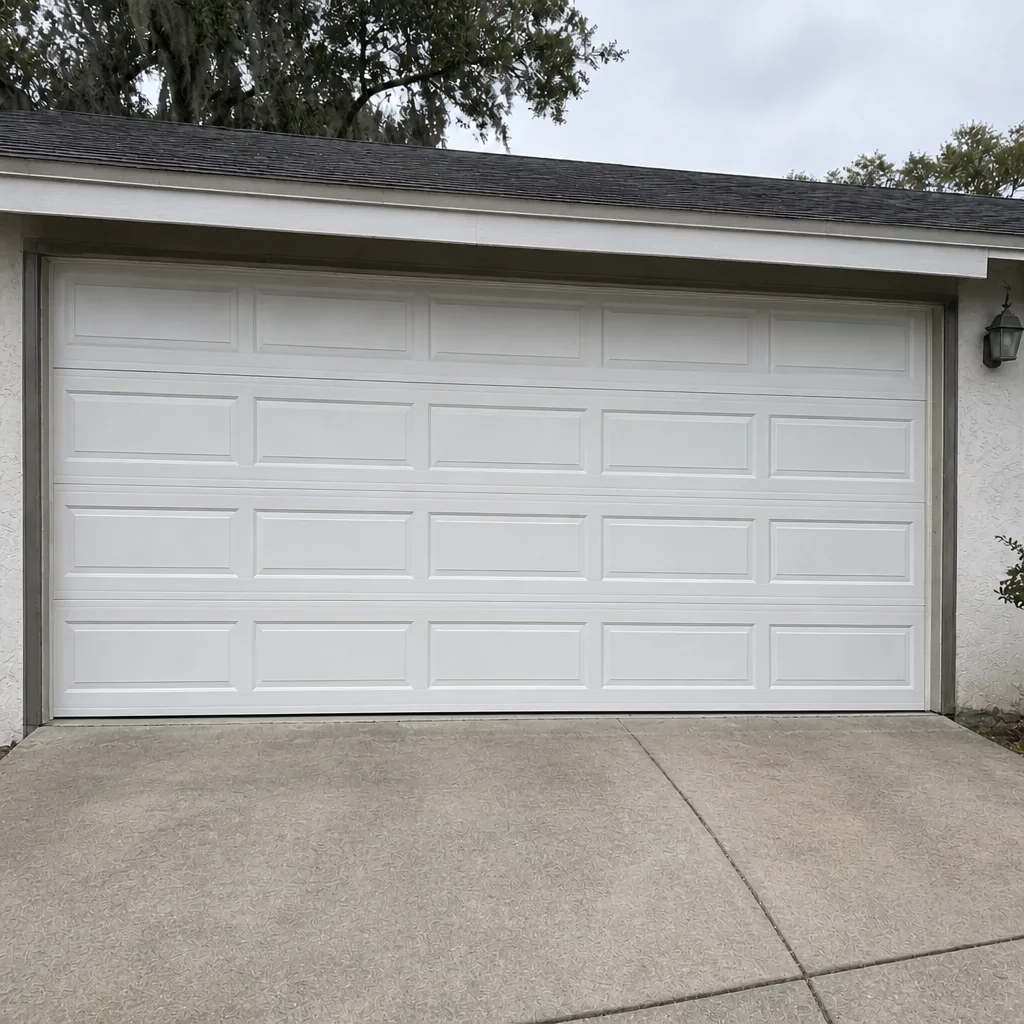 After
Common Mistakes to Avoid
- Forcing a door that won’t move. Yanking or wrestling a stuck door can bend the panels, bend the track, or snap a cable. If the door won’t move, stop and call.
- Adjusting the torsion spring yourself. This is the single most dangerous garage door mistake a homeowner can make. Springs are under high tension at rest, and a wrong move can cause serious injury.
- Ignoring the sensor alignment lights. People often clean the sensor lens and assume it’s fine without checking that both lights are steady. A misaligned sensor will reverse the door every time.
- Assuming summer stiffness means a broken spring. In Fruit Cove’s heat, a door will sometimes drag or sound worse than it does in cooler weather. Diagnose by behavior and noise, not by feel alone.
- Calling a general handyman for a spring or opener problem. Garage doors are a specialist system, and a technician who works on only one type of door catches the smaller issues a generalist misses.
- Letting a crooked door keep running. Continuing to operate a door that’s off its track grinds the rollers and bends panels, turning a small repair into a larger one.
- Assuming the door needs replacing before it’s been diagnosed. Most “dead door” calls end with a repair, not a replacement. Get a diagnosis first, then decide.
Frequently Asked Questions
Most likely your safety sensors are obstructed, dirty, or out of alignment, or the door’s travel limit is set slightly too far down. Wipe the sensor lenses, check that both indicator lights are steady, and clear the door’s path. If the reversal stops, the sensors were the issue. If it continues after a wipe and alignment, the door needs a technician to look at the limit setting or the opener logic.
No. Torsion springs and extension springs are under high tension even when the door is closed, and releasing that tension incorrectly can cause serious injury. This is safety-critical work and belongs with a trained technician, not a homeowner. Call our spring repair team and we’ll handle it safely.
If the opener’s light comes on when you press the wall button and the door doesn’t move, the opener is trying and the door is the problem (spring, cable, or track). If the opener’s light doesn’t come on at all, or the door reverses immediately, the opener side or its sensors are the likely cause. Running the two-minute reset sequence narrows it down fast.
Yes. Emergency service is a core part of what we do, and we handle doors that won’t open or won’t close when you need the garage secured. Call (866) 481-7215. We answer 24/7, and a call outside dispatch hours is booked into the next opening, Sunday through Friday, 7am to 7pm.
Fruit Cove’s summer humidity and heat affect track fit and spring tension in ways that can make a normally quiet door sound like it’s struggling. A slight seasonal drag is common. A screech, a scrape, or a grinding noise is not seasonal and should be checked by a technician.
No. The written estimate you receive before any work starts is the price. We quote the job, you agree, and the technician performs that job at the agreed price. If a hidden problem turns up once the door is open, we stop and re-quote before doing anything further, so the decision stays with you.
The Bottom Line
Most garage door “emergencies” in Fruit Cove turn out to be sensor obstructions, travel limits, or remote pairing problems that a homeowner can resolve in minutes. The rest are genuine repairs, and they belong with a specialist. The key is reading the symptom before you touch anything: a reversing door, a grinding door, and a door that rises a foot and stops are three different problems with three different answers. Safe checks first, springs and cables left to a professional, and a written estimate before any work begins. That’s the whole playbook, and it’s the same one our technicians use on every call in Fruit Cove.
If the door still isn’t behaving after the safe checks, we’re ready. Call (866) 481-7215 for a free estimate from Fruit Cove Garage Door Repair, with fast dispatch from 7am to 7pm and a team that focuses on garage doors only, so the repair is done right the first time.
Written by the team at Fruit Cove Garage Door Repair.