
Last updated November 23, 2026
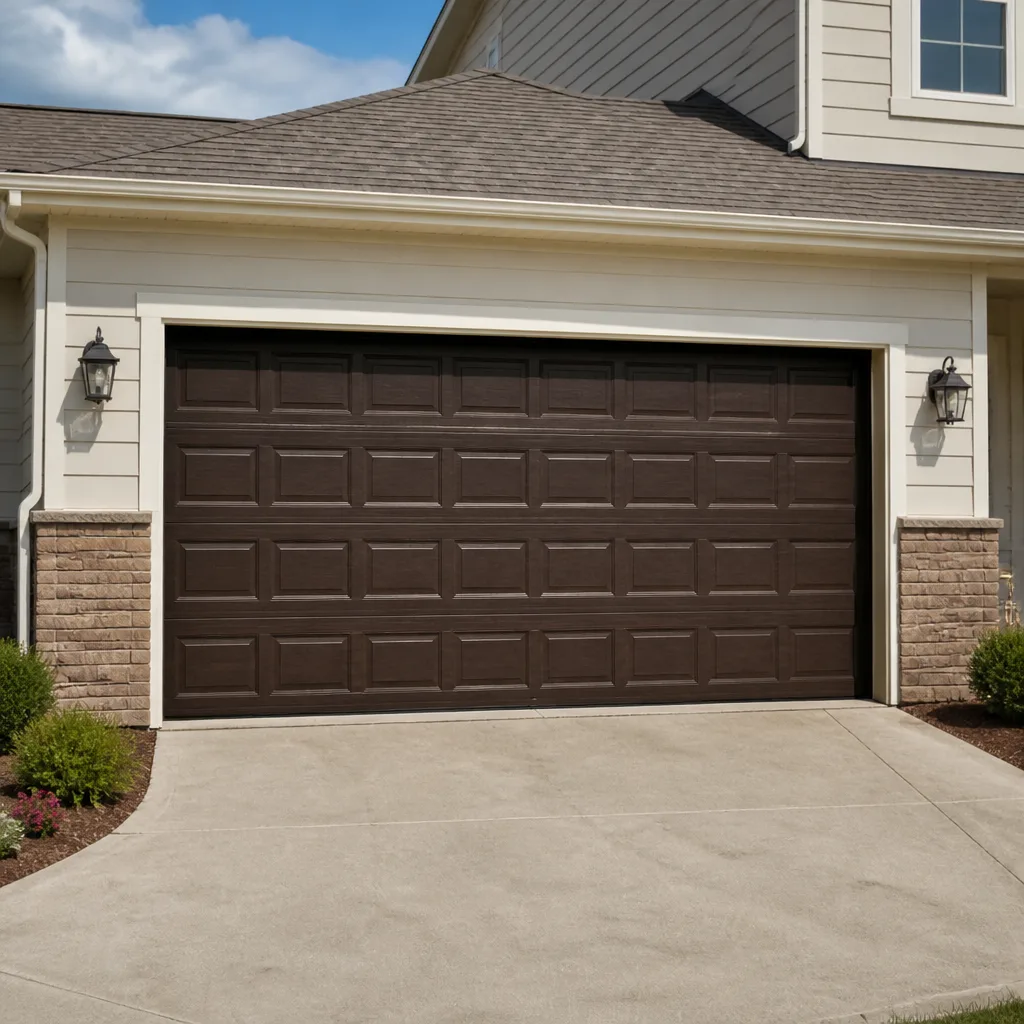 Raised-panel steel
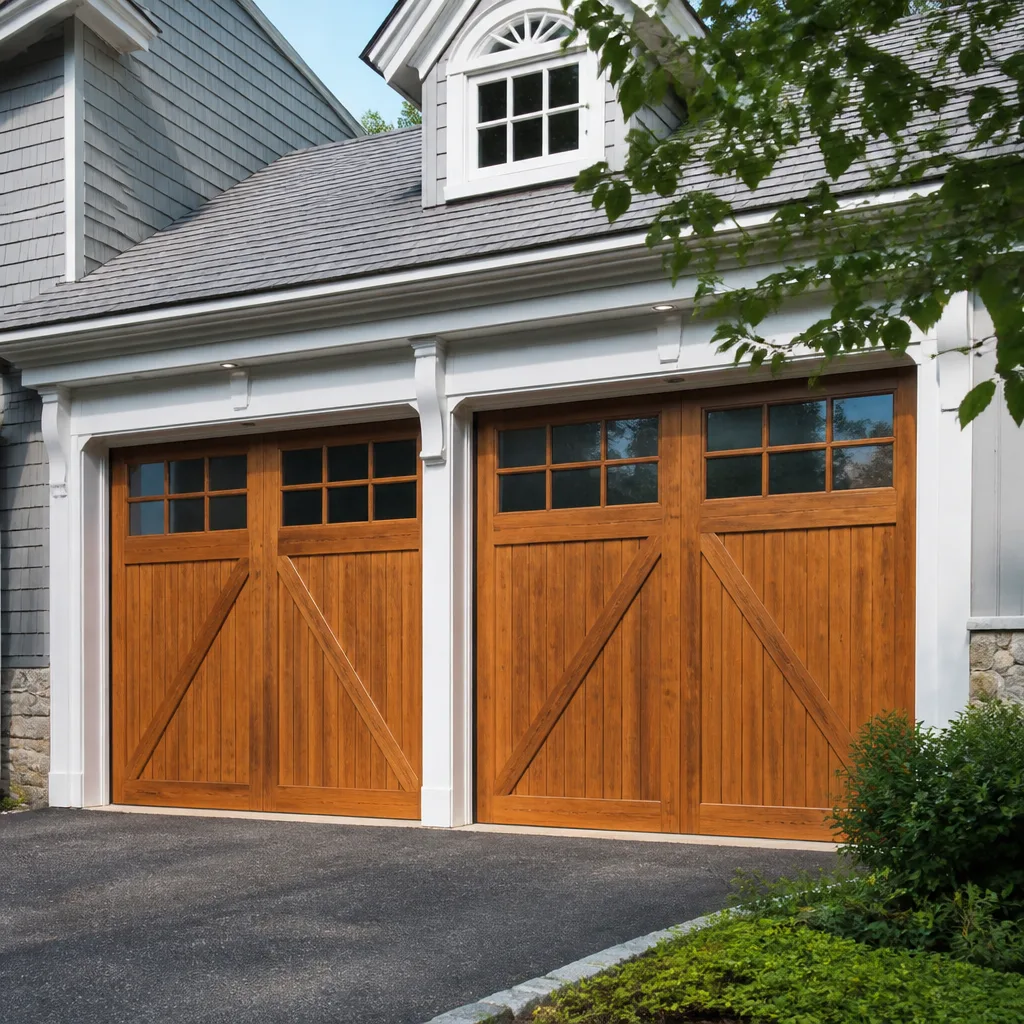 Carriage house
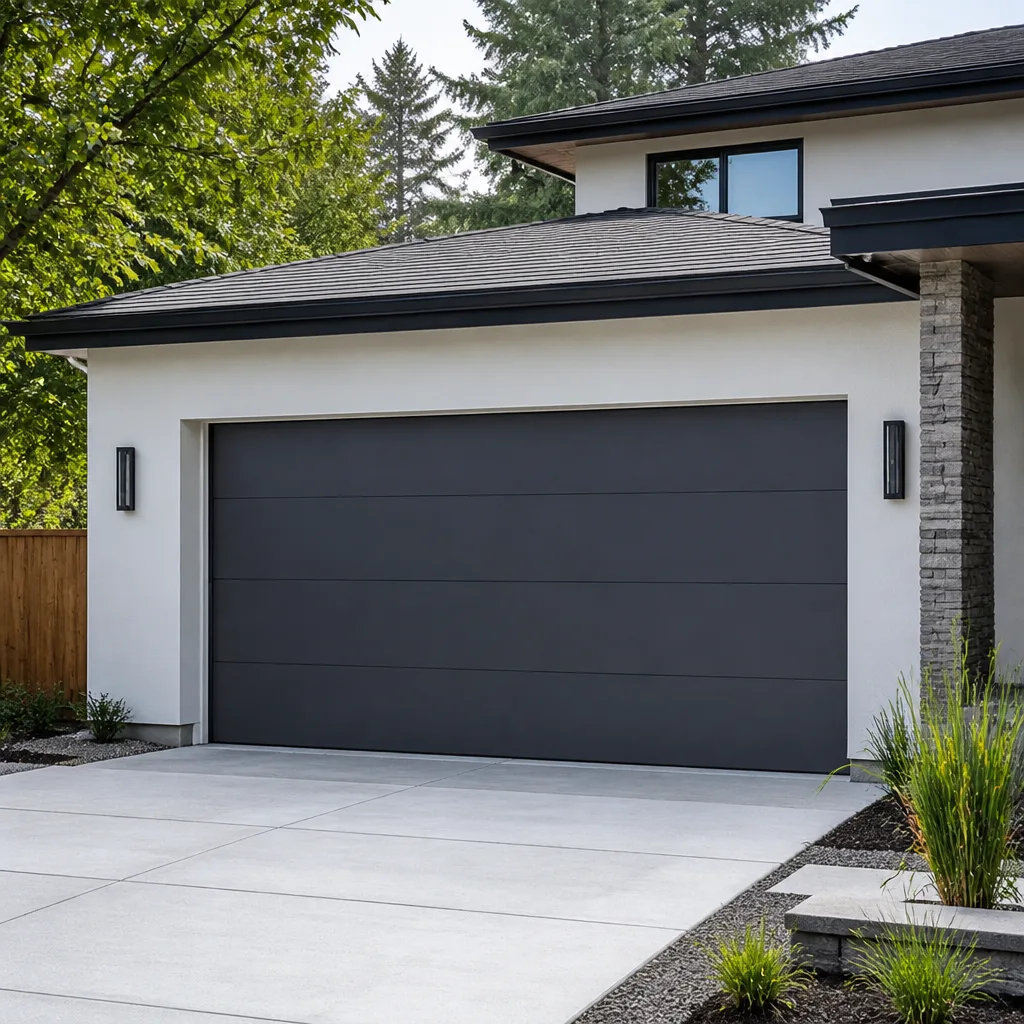 Modern flush
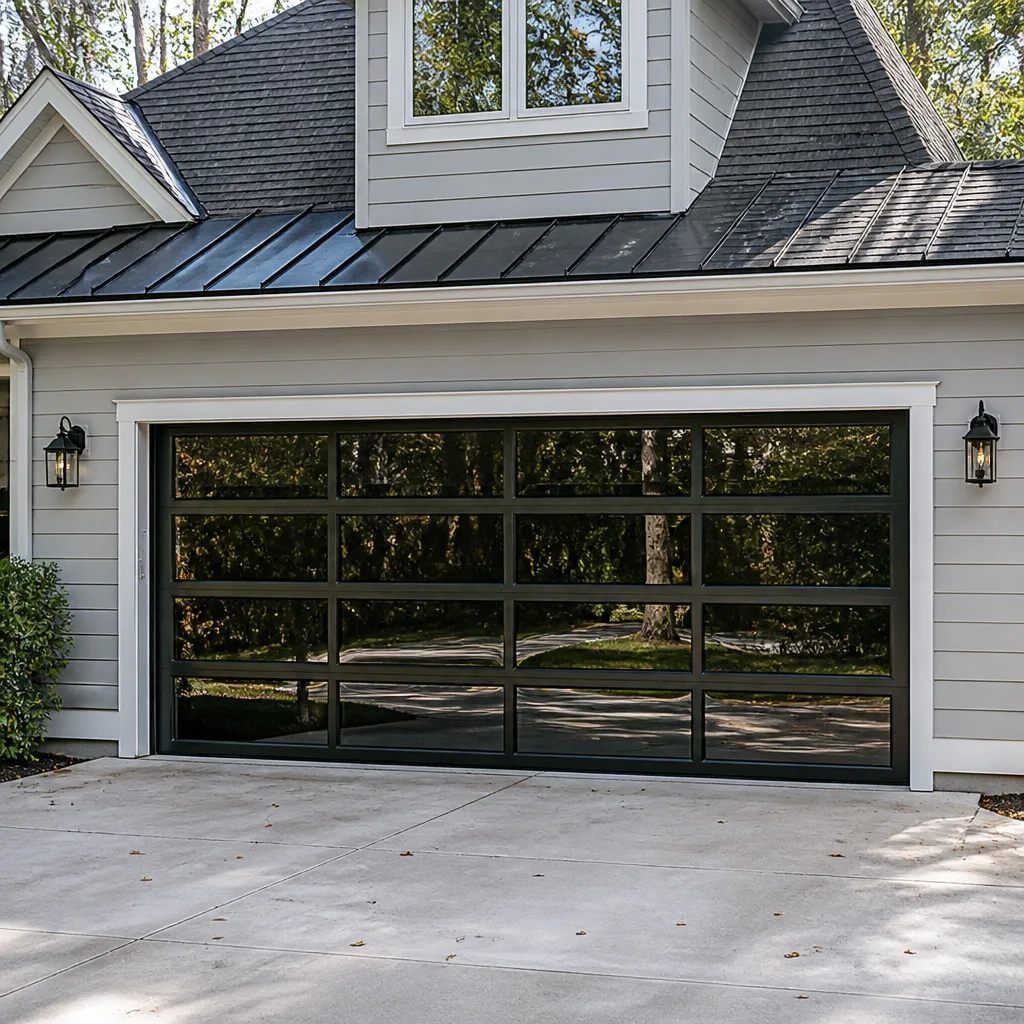 Full-view glass
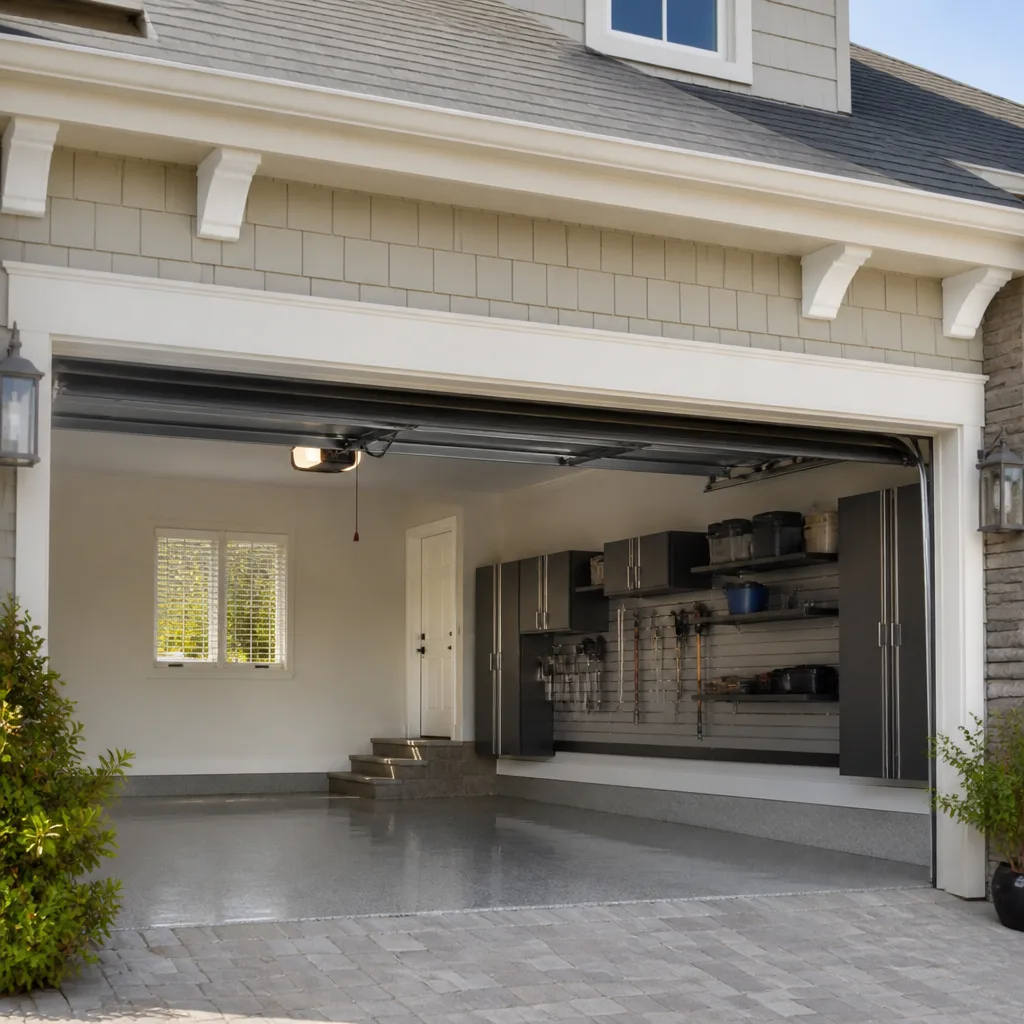 LiftMaster openers
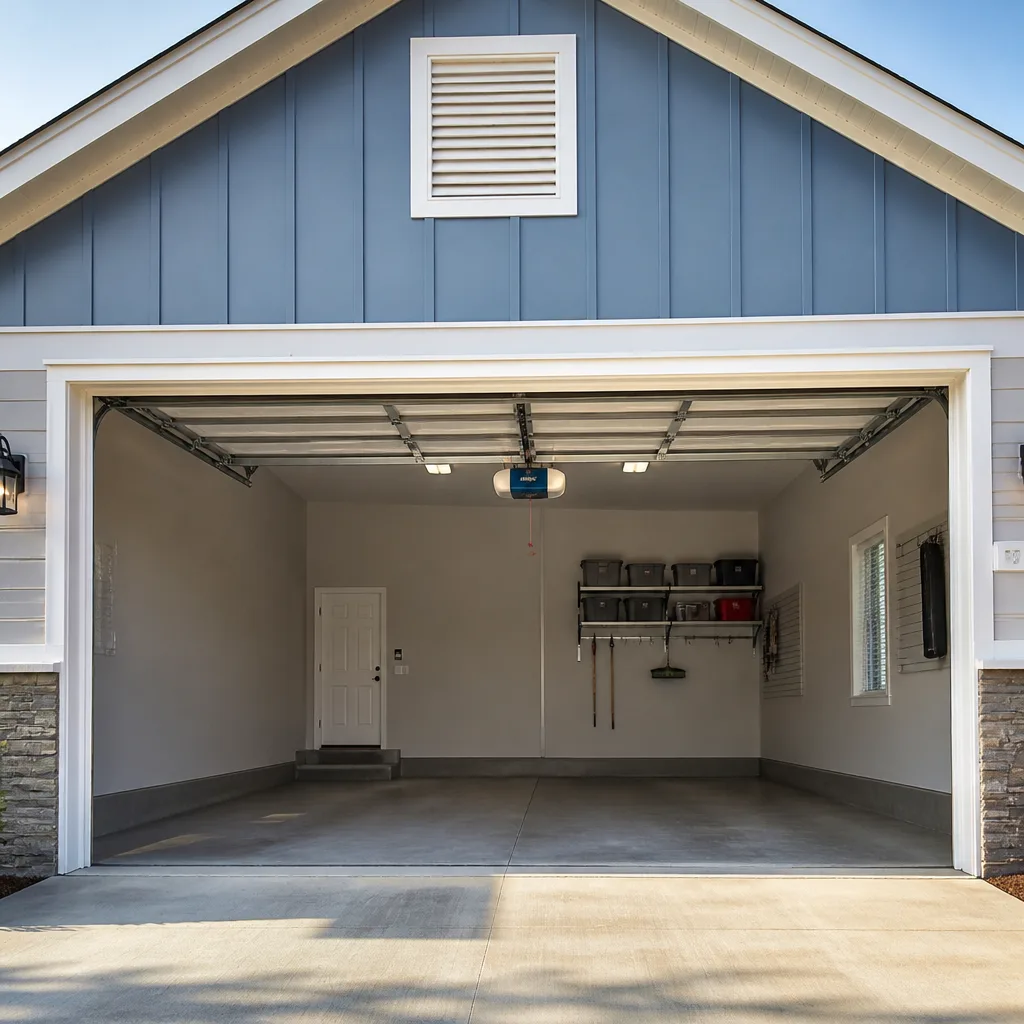 Chamberlain openers
Full 25-point door and opener safety check with every visit - springs, cables, rollers, tracks, and your LiftMaster or Chamberlain opener included
You get a price before we start. It does not change when the pro arrives.
Get your free estimateGarage Door Repair Maintenance Checklist for Fruit Cove Homeowners
The biggest reason garage door springs fail early in North Florida isn’t age. It’s rust. Most Fruit Cove homeowners assume a stiff, noisy door is just “getting old,” when what they’re actually hearing is surface corrosion from months of warm, humid air working its way into the coils. That rust eats at the wire, thins it, and shortens the spring’s life long before the metal should be spent. In this guide, we’ll walk through a maintenance checklist built around the way doors actually fail here: month by month, calibrated to Florida heat and humidity, not a generic four-season schedule written for a colder climate.
Quick Answer
A workable garage door maintenance checklist for Fruit Cove means checking and lubricating springs, hinges, and rollers monthly, keeping tracks clean and dry, testing the safety reverse every month, and inspecting bracing, anchors, and the bottom seal before hurricane season. When a spring is visibly rusted, a cable is frayed, or the door won’t reverse on contact, stop and call a professional rather than working on it yourself.
Styles & brands we work with
- Raised-panel steel
- Carriage house
- Modern flush
- Full-view glass
- LiftMaster openers
- Chamberlain openers
Table of Contents
- Why Garage Doors Fail Differently in Florida
- The Five-Minute Visual Check That Catches Most Problems
- A Month-by-Month Checklist for Fruit Cove
- Which Lubricants Hold Up in Florida Heat
- Hurricane-Season Readiness: Bracing, Anchors, and Seals
- Opener and Safety-Reverse Checks
- Putting It on a Calendar
Why Garage Doors Fail Differently in Florida
A maintenance routine written for Minnesota assumes a long, cold winter and a short, hot summer. Fruit Cove runs the other way. Doors here cycle through sustained heat and heavy humidity for most of the year, and that changes which parts wear first and how. The spring, the hinges, the rollers, and the bottom seal all see the same warm, moist air day after day, and each one responds to it in its own way.
Heat is the quieter of the two problems. Metal expands slightly as it warms, and a door that fits cleanly in the morning can bind a little by mid-afternoon. That binding shows up as a door that hesitates, jerks, or strains the opener more than it should. Over months, the extra load adds up. Humidity is the more visible problem. It settles on bare steel, starts as a faint film of surface rust, and then bites into the spring coils and hinge pins. Left alone, that rust is what turns a spring that should have run for years into a part that snaps early.
What we’ve learned watching doors in this area is that the failure pattern is predictable. Springs and hinges rust before they wear out. Bottom seals dry and crack faster than they would in drier air. Openers run hotter and work harder because the door resists just enough to matter. None of that means you need to replace anything on a schedule. It means the checklist below puts rust prevention first, ahead of the tasks you’d find on a northern list. If you’d rather have a trained eye look, our Fruit Cove Garage Door Repair team handles spring, opener, and door work on every major brand.
The Five-Minute Visual Check That Catches Most Problems
Most emergency calls start with something a homeowner could have spotted weeks earlier with a flashlight and a few minutes. This check is the single most useful habit on this page. Do it once a month, in daylight, with the door closed first and then open. It won’t fix anything, and you shouldn’t try to make repairs on the springs or cables yourself, but it will tell you when to stop and call.
Here’s the routine, in order:
- Look at the springs. With the door closed, check the springs above the door for rust, flaking paint, or a visible gap in the coil. Brown-orange staining is the early warning sign.
- Scan the cables. Look for frayed strands, kinks, or slack along the sides of the door. A cable that looks like a worn rope is a call-now problem.
- Check the rollers and hinges. Wobble each roller in its bracket. A loose roller or a hinge pin that’s dry and stiff is a maintenance item, not an emergency, but it needs attention.
- Run your hand along the bottom seal. Feel for cracks, hard spots, or gaps between the seal and the floor. Light shouldn’t show under a closed door.
- Watch the door travel. Open and close it and listen. Grinding, popping, or a door that jerks should be noted. A door that reverses on its own is a stop sign.
- Test the safety reverse. Put an object in the door’s path and confirm it reverses on contact. This is the one function you should test every month without exception.
If all six come back clean, you’ve done your check. If any of them flags a rusted spring, a frayed cable, or a door that won’t reverse, that’s where DIY stops and a call starts. Our garage door repair service exists for exactly those moments.
A Month-by-Month Checklist for Fruit Cove
A generic checklist bunches everything into “spring cleaning” and “fall prep.” That doesn’t match how a Fruit Cove door lives. The heat and humidity here don’t take a season off, so the work spreads across the calendar more evenly. Here’s how to break it down so nothing gets forgotten and no month gets overloaded.
Every Month
- Do the five-minute visual check above.
- Wipe down the spring coils and hinge pins with a dry cloth to knock off surface moisture and grit.
- Test the opener’s safety reverse with an object in the path.
- Listen for new noises on open and close. Note anything that’s changed.
Every Two to Three Months
- Apply a light coat of lubricant to the springs, hinges, and roller bearings (see the lubrication section for what to use).
- Clean the tracks with a rag and check for debris, then inspect the bottom seal for drying or cracking.
- Check the opener’s wall control and any remotes for consistent response.
Before Hurricane Season
- Inspect the door’s bracing and reinforcement if it has any.
- Check the anchoring points and the track brackets where they meet the wall.
- Test the bottom seal for a tight fit, since a loose seal is the first place wind-driven rain gets in.
- Confirm the door is balanced. If it feels heavy or won’t stay put at the halfway point, have it looked at before storm season.
Once a Year
- Have the springs, cables, and opener inspected by a technician.
- Check the door’s balance and alignment.
- Look at the weatherstripping around the door’s perimeter and the seal at the threshold.
That’s the whole calendar. The point isn’t to do heavy work yourself. It’s to stay ahead of the rust and the small wear items so they don’t turn into a broken spring or a dead opener. When something does go, our garage door opener repair and garage door spring repair teams handle the fix.
Which Lubricants Hold Up in Florida Heat
Lubricant choice matters more here than in a cooler climate. A product that works fine in a mild summer can thin out, drip, or turn tacky when it sits in sustained 90°F-plus heat day after day. The wrong one doesn’t just underperform. It attracts grit, and grit in the tracks and hinges accelerates exactly the wear you’re trying to prevent. So the goal is a lubricant that stays put through summer heat and doesn’t collect dust.
Here’s the practical split, in plain terms:
- What holds up: A silicone-based spray or a lithium grease made for garage door hardware. Silicone stays slick without getting sticky, and it does well in heat. A light white lithium grease on hinges and springs resists moisture and stays where you put it.
- What gums up: Heavy automotive grease, WD-40 used as a long-term treatment, and anything labeled “penetrating oil” as the finish coat. These thin out in the heat, run off, and leave a film that grabs debris. Penetrating oil is fine for loosening a stuck part, not for keeping it smooth.
- What to never put in the tracks: Grease or oil of any kind. Tracks are meant to run dry and clean. Lubricant in a track collects grit and turns into a paste that drags on the rollers.
Apply lubricant sparingly: a thin coat on the spring coils, a drop on each hinge pin, and a light touch on roller bearings. Wipe off any excess. If your hardware is already showing rust, a lubricant slows it but doesn’t reverse it. Rusted springs are a safety matter, not a maintenance one, and they need a trained technician to replace. Our technicians have up to 11 years of experience with LiftMaster, Chamberlain, Genie, and Clopay systems, among other major brands.
Hurricane-Season Readiness: Bracing, Anchors, and Seals
A garage door is the largest opening in most homes, which makes it the part of the house most worth checking before storm season. The checklist here is about readiness, not installation. You’re confirming the door’s structure and seals are sound, then handing the heavier work to a professional. What to look at comes down to three areas: bracing, anchoring, and the bottom seal.
Bracing
Some doors have reinforcement or a bracing kit; some don’t. If yours does, check that the bracing is securely fastened and free of rust or looseness. If you’re unsure whether your door is braced, that’s a question for a technician, not a guess. Adding or changing bracing is structural work and shouldn’t be improvised.
Anchoring Points
The tracks and brackets attach to the wall and the header, and those fasteners are what hold the whole system in place. Walk the perimeter and look for loose brackets, rusted fasteners, or gaps where the track pulls away from the wall. Loose anchoring is a real problem before a storm and shouldn’t be tightened yourself if the hardware is compromised. That’s a call.
Bottom Seal Integrity
The bottom seal is the door’s first line against wind-driven rain. A cracked or hardened seal lets water in and lets wind underneath the door. Run your hand along it for cracks and hard spots, and check for light showing under a closed door. Replacing a worn seal is straightforward for a technician and cheap insurance against water intrusion.
If any of this looks off, or you just want a second opinion before the season, our team can take a look. We work on Clopay, Amarr, Wayne Dalton, and other major brands, so most Fruit Cove homes are covered without compatibility guesswork.
Opener and Safety-Reverse Checks
Your opener does more than raise the door. Its safety reverse is the feature that keeps the door from closing on a person, a pet, or an object, and it’s the one function worth testing every month without fail. Testing it takes a few seconds. Put a solid object in the door’s path and close the door. It should reverse on contact. If it doesn’t, stop using the door and have the opener looked at before running it again.
Beyond the reverse test, a few habits keep a Fruit Cove opener healthy through the heat:
- Keep the opener’s vents clear. Heat builds up in a garage, and an opener that can’t breathe runs hotter. Clear any clutter around the unit.
- Listen for strain. A door that’s binding makes the opener work harder. If the opener sounds labored, the issue is often the door, not the motor.
- Check remote and wall-control response. Inconsistent response can point to a weak battery or a signal issue, which is a simpler fix than a failing unit.
- Know when it’s the opener. If the door won’t move at all, or the motor runs without the door moving, that’s opener territory and worth a call.
We service LiftMaster, Chamberlain, Genie, and Craftsman openers and can tell you whether a repair or a replacement makes more sense. If your door won’t move, call us. We answer 24/7.
Putting It on a Calendar
The simplest way to make this checklist stick is to tie it to a rhythm rather than a big annual push. Here’s how we’d lay it out for a Fruit Cove home:
- First of every month: Do the five-minute visual check and test the safety reverse.
- Every two to three months: Lubricate springs, hinges, and rollers. Wipe down the tracks and check the bottom seal.
- Late spring: Run the hurricane-readiness inspection on bracing, anchoring, and seals.
- Once a year: Book a technician inspection of springs, cables, and the opener.
Two rules of your own: don’t wait for a noise to get loud before looking, and don’t put off a visible problem because the door still works. A door that opens today with a rusted spring can fail tomorrow, and a door that doesn’t reverse is a hazard regardless of anything else. If you’d rather hand the whole routine to someone who does this every day, that’s what we’re here for.
Common Mistakes to Avoid
- Treating rust as cosmetic. Surface rust on a spring is the early stage of a weakened coil, not a cosmetic blemish. Ignoring it is the fastest route to a spring failure.
- Greasing the tracks. Tracks are meant to run dry. Grease or oil in a track collects grit and drags on the rollers, making the door work harder, not better.
- Using heavy automotive grease on hinges and springs. In Florida heat it thins, runs, and turns sticky, which attracts the debris you’re trying to keep out.
- Skipping the monthly safety-reverse test. It’s the one check that protects the people and pets in the house. A door that doesn’t reverse should be taken out of service immediately.
- Ignoring the bottom seal until it fails. A dried, cracked seal lets in wind-driven rain and is easy to replace. By the time you notice water intrusion, it’s a bigger job.
- Trying to fix a rusted spring yourself. Springs are under high tension, and adjustment or replacement is genuinely dangerous. This is the one item on the list that always belongs with a trained technician.
- Putting off a hurricane-season inspection because the door looks fine. Bracing and anchors can loosen without changing how the door operates, and those are exactly the parts storm season tests.
See the difference
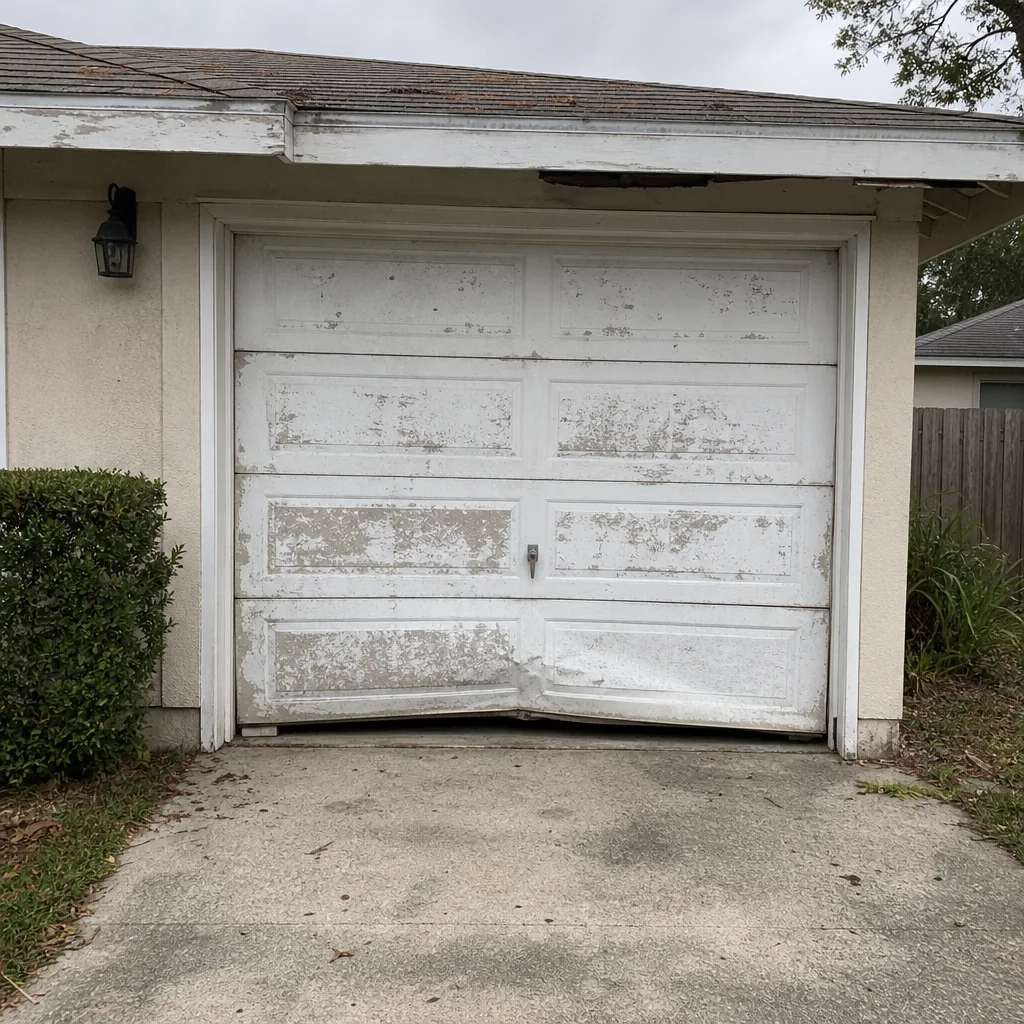 Before
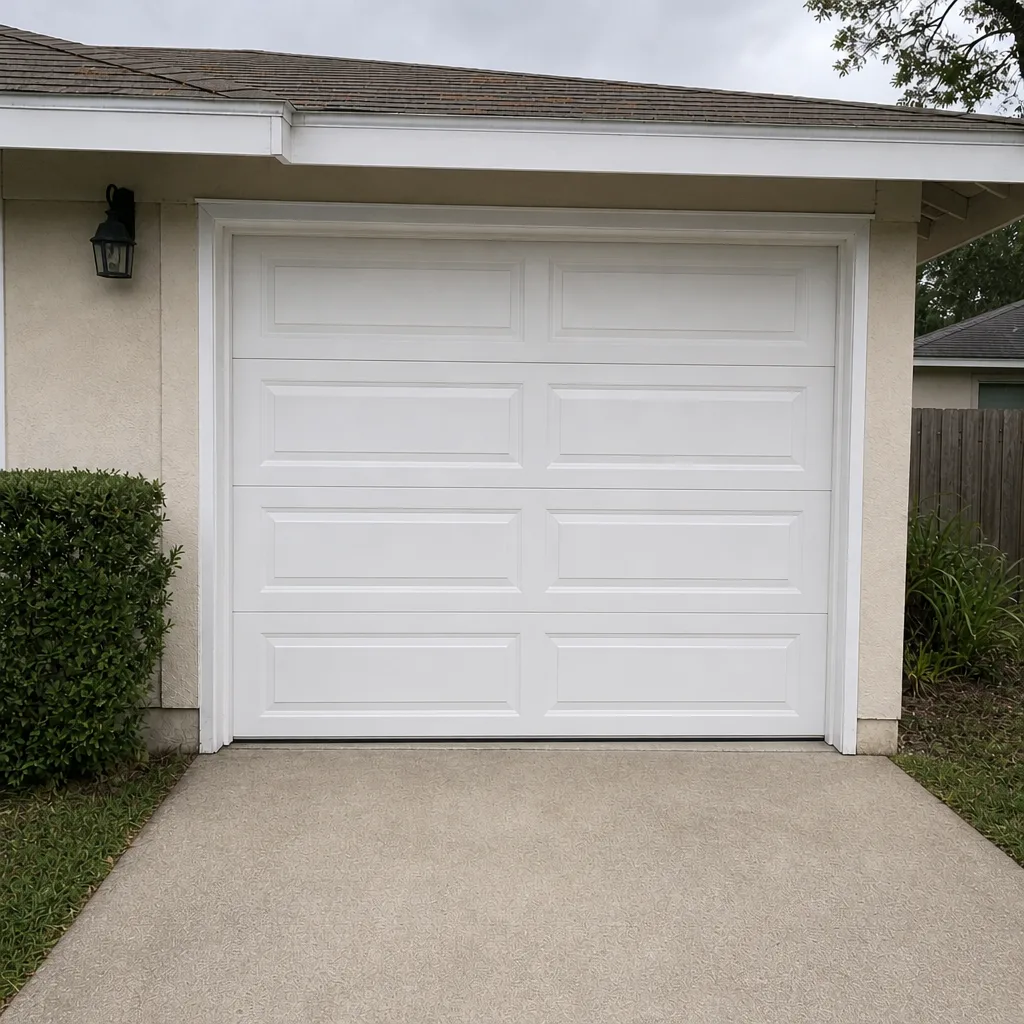 After
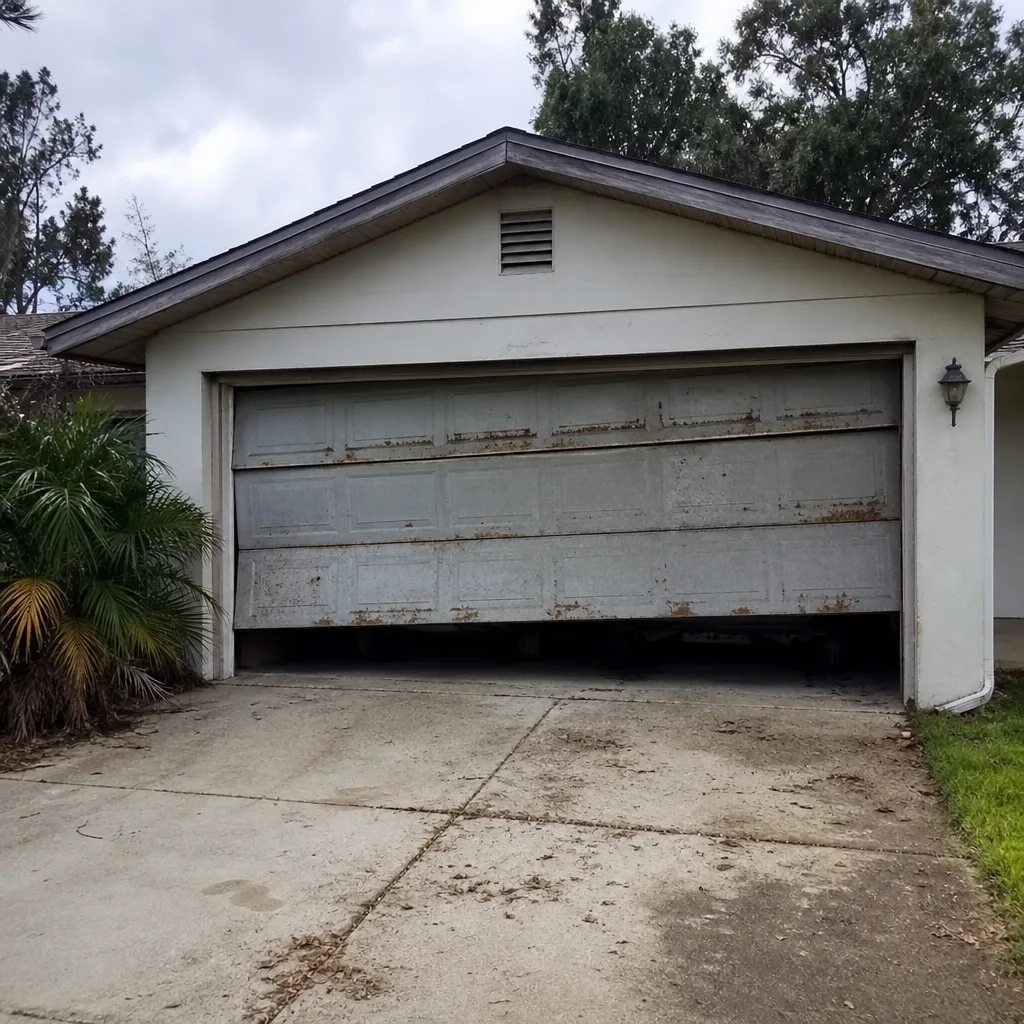 Before
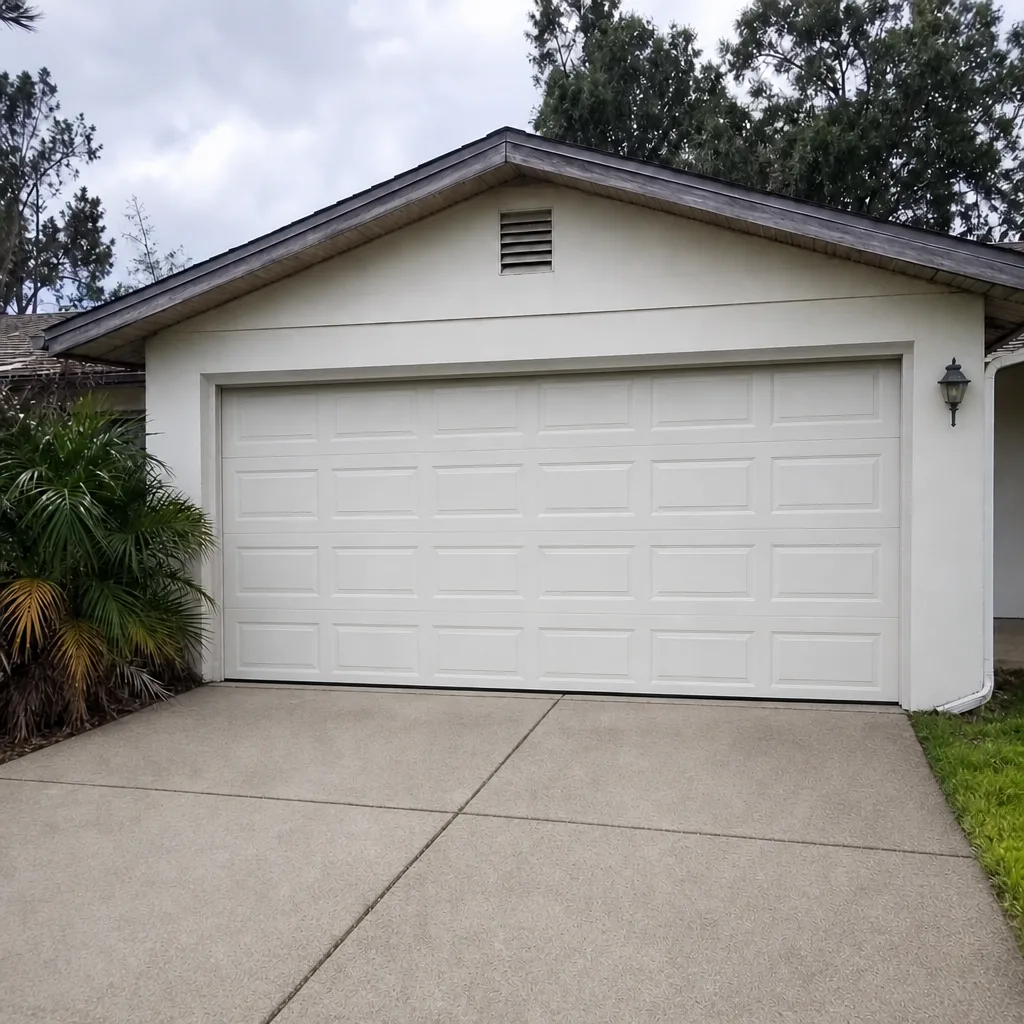 After
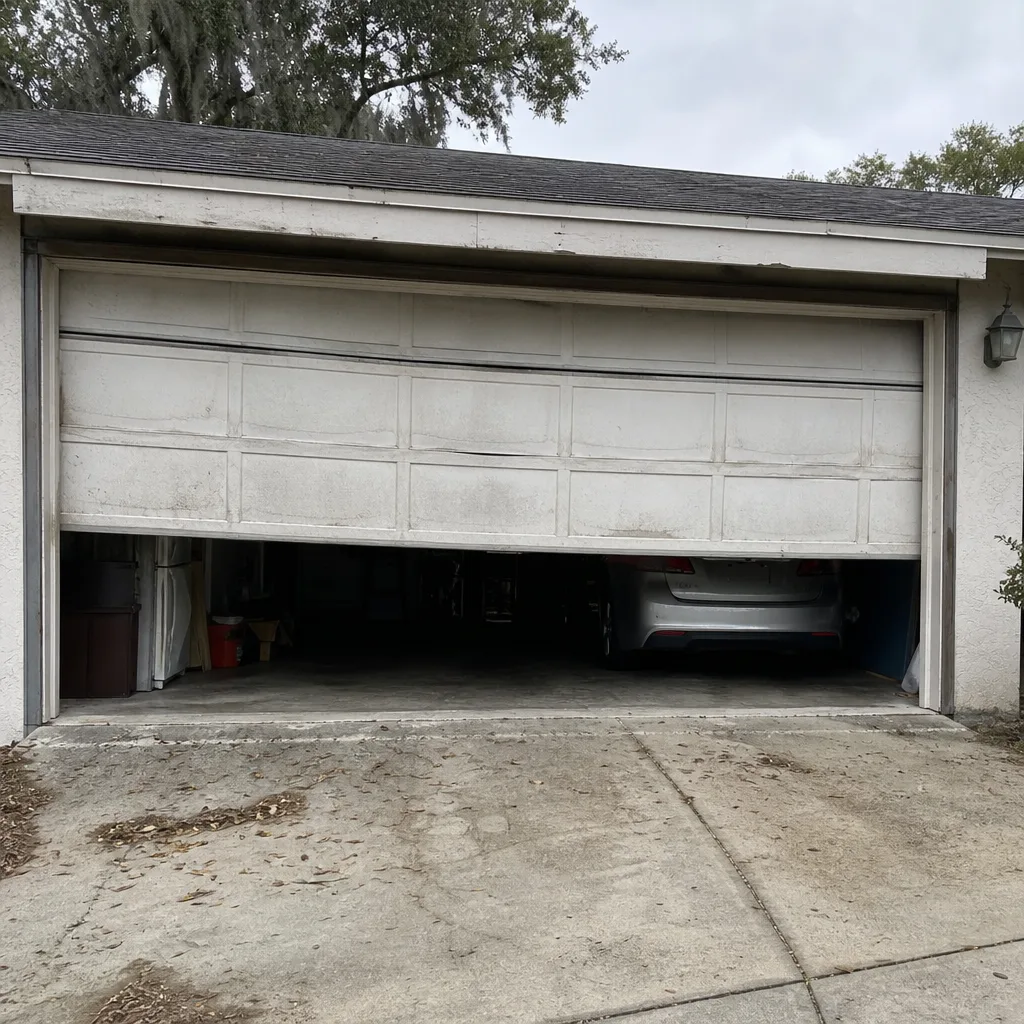 Before
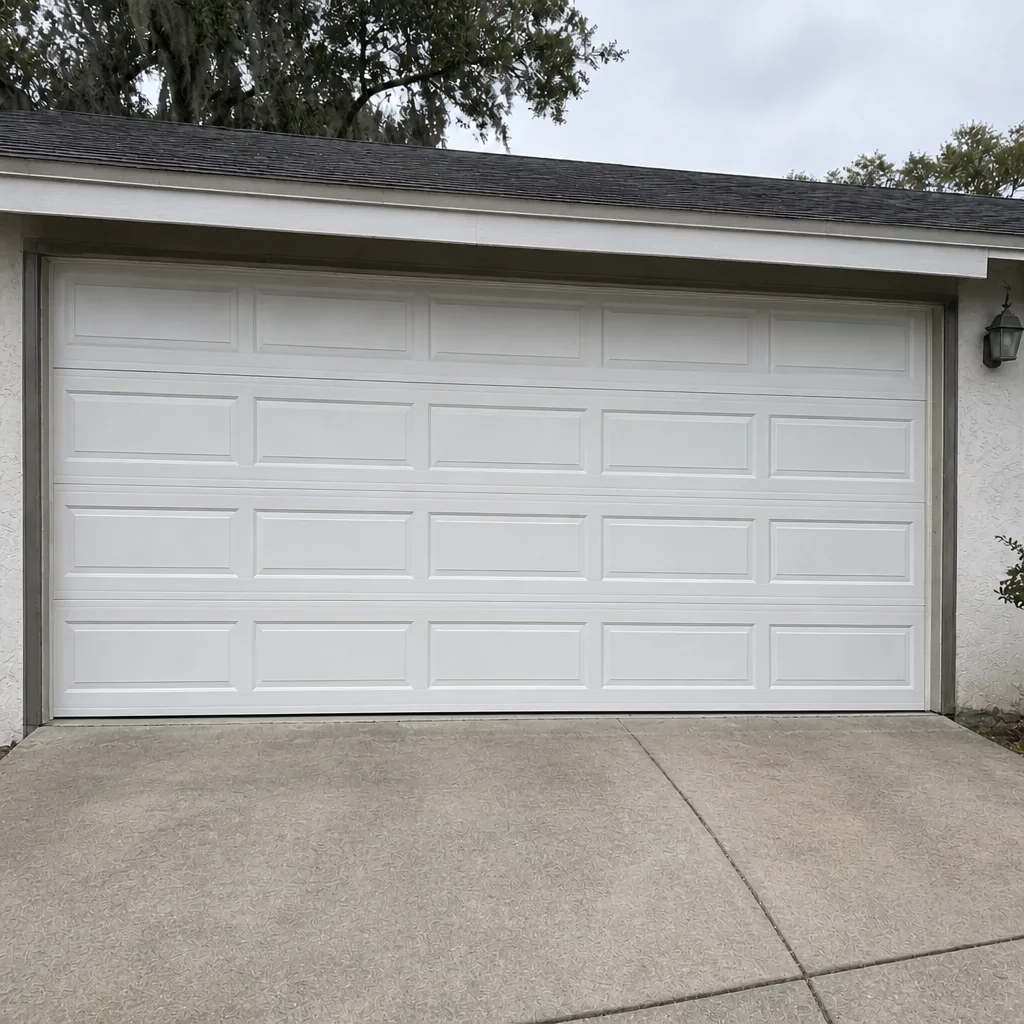 After
When to Call a Professional
Some checks belong on your list. Others belong with a technician. Call us when a spring is rusted, flaking, or has a visible gap in the coil, when a cable is frayed or slack, when the door won’t reverse on contact, or when the door is off its track or won’t close squarely. Those are safety issues, and they’re not DIY work. The high-tension springs and the cables carry enough stored force to cause serious injury, so the right move is to stop using the door and let a trained hand take over. Fruit Cove Garage Door Repair offers free estimates in Fruit Cove, and our technicians are experienced with every major brand. Call (866) 481-7215. We answer 24/7. Fast dispatch from 7am to 7pm, Sunday through Friday.
Frequently Asked Questions
Once a year for a technician inspection, plus a monthly five-minute visual check and lubrication every two to three months. The heat and humidity here make a tighter rhythm worth it than the once-a-year routine you’ll see on northern checklists. Call (866) 481-7215 – estimates are free.
Because the warm, humid air here keeps a thin film of moisture on bare steel, and that film starts surface rust on the coils long before the spring wears out. Rust thins the wire and shortens the spring’s life. If you see rust on a spring, don’t service it yourself. Call (866) 481-7215 for a free estimate.
A silicone-based spray or a light white lithium grease made for garage door hardware. Avoid heavy automotive grease and WD-40 used as a long-term finish coat, since they thin out and turn sticky in sustained heat. Never put lubricant in the tracks. Call (866) 481-7215 if you’re not sure what your door needs.
Inspect the bracing, the anchoring points where the tracks meet the wall, and the bottom seal for cracks or gaps. If any of those look loose or worn, have a technician check them before the season. Call (866) 481-7215. We answer 24/7. Fast dispatch from 7am to 7pm, Sunday through Friday.
In many cases, yes. A door that won’t close, a broken spring, or a dead opener is exactly what our emergency service is for. Call (866) 481-7215. We answer 24/7. Fast dispatch from 7am to 7pm, Sunday through Friday.
A rusted or visually broken spring, a frayed cable, a door that won’t reverse on contact, a door off its track, and a door that won’t close squarely. All five are safety issues, not maintenance items. Call (866) 481-7215 – estimates are free.
The Bottom Line
The garage doors that last longest in Fruit Cove aren’t the ones that get the most expensive parts. They’re the ones whose owners check for rust, keep the tracks clean, test the safety reverse, and catch small problems before they grow. Build a monthly five-minute check, lubricate on a regular rhythm, tighten up your hurricane-season readiness before the season, and hand the springs, cables, and opener diagnostics to a technician. If a spring is rusted, a cable is frayed, or the door won’t reverse, that’s your cue to stop and call us. One call covers repair, spring work, opener issues, and full installation, and we work on your brand.
Written by the team at Fruit Cove Garage Door Repair.