
Last updated November 23, 2026
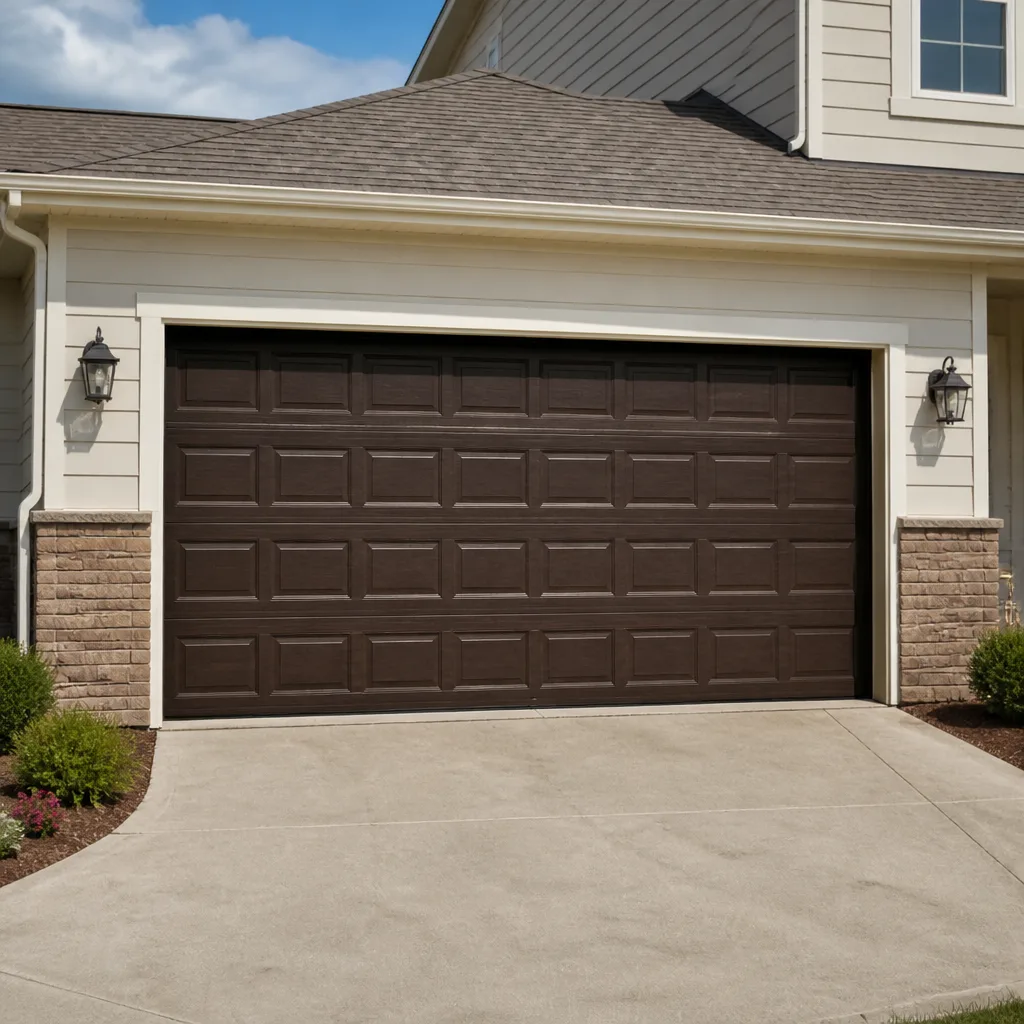 Raised-panel steel
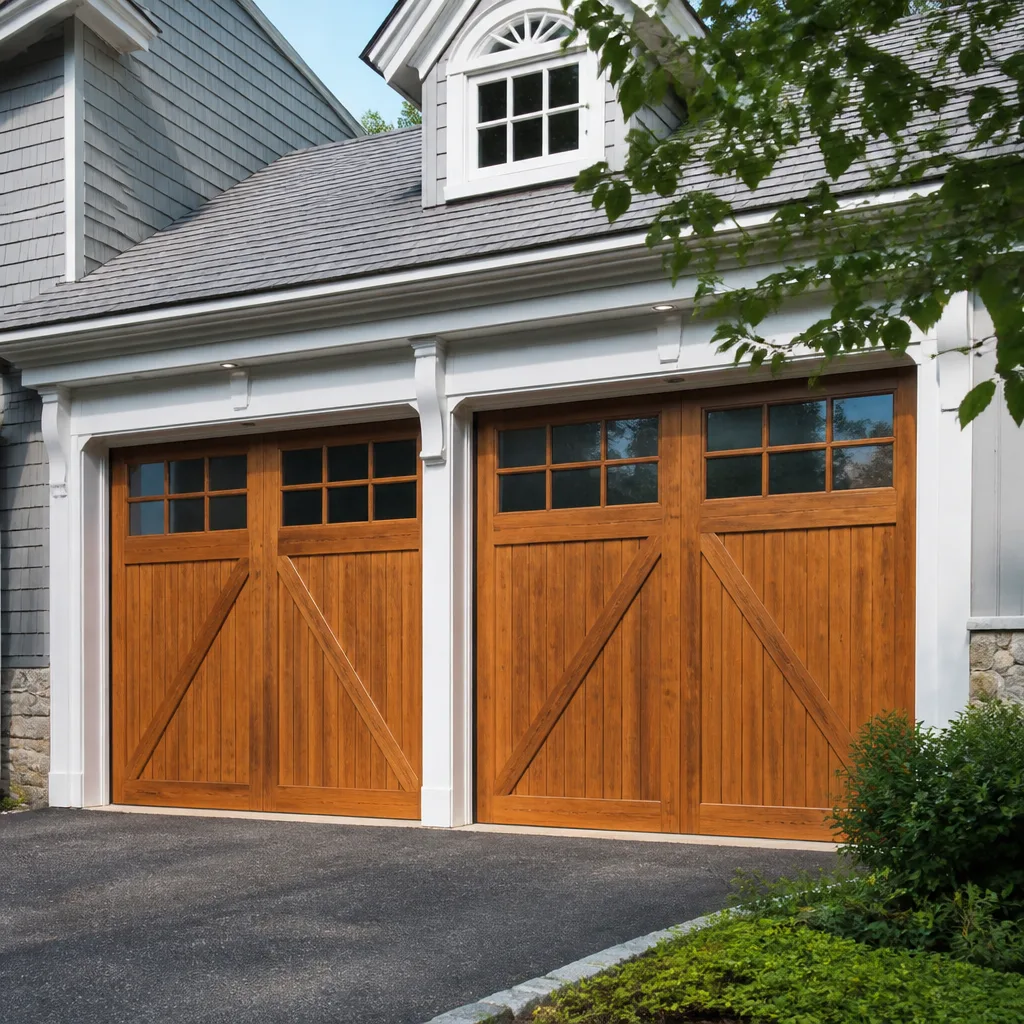 Carriage house
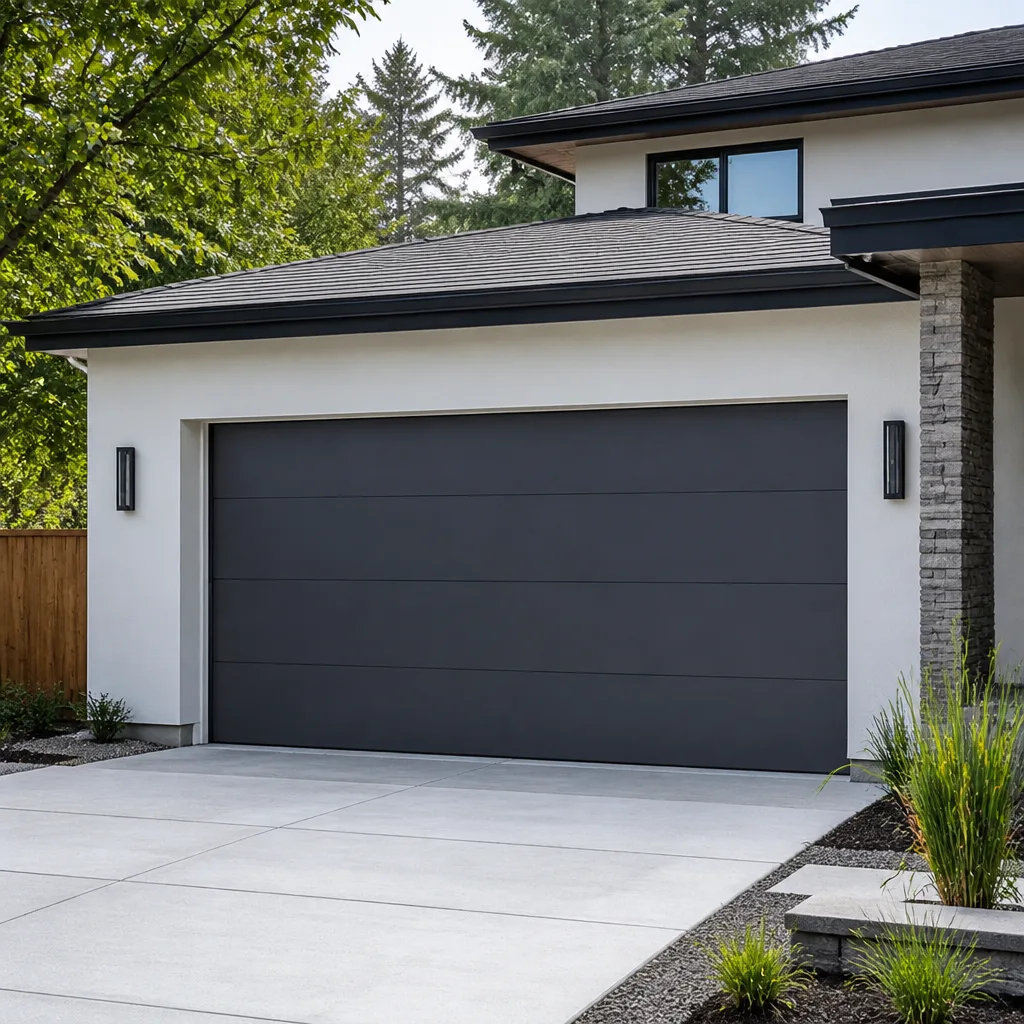 Modern flush
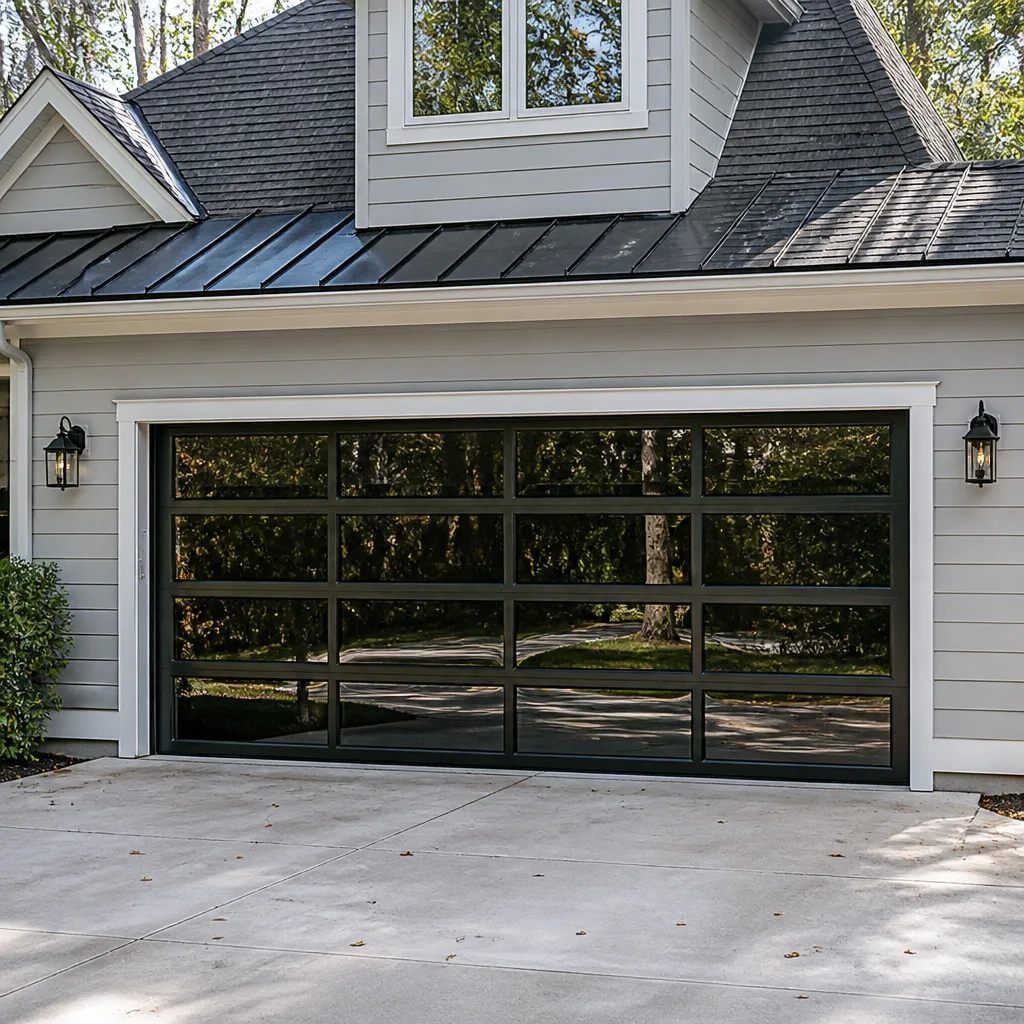 Full-view glass
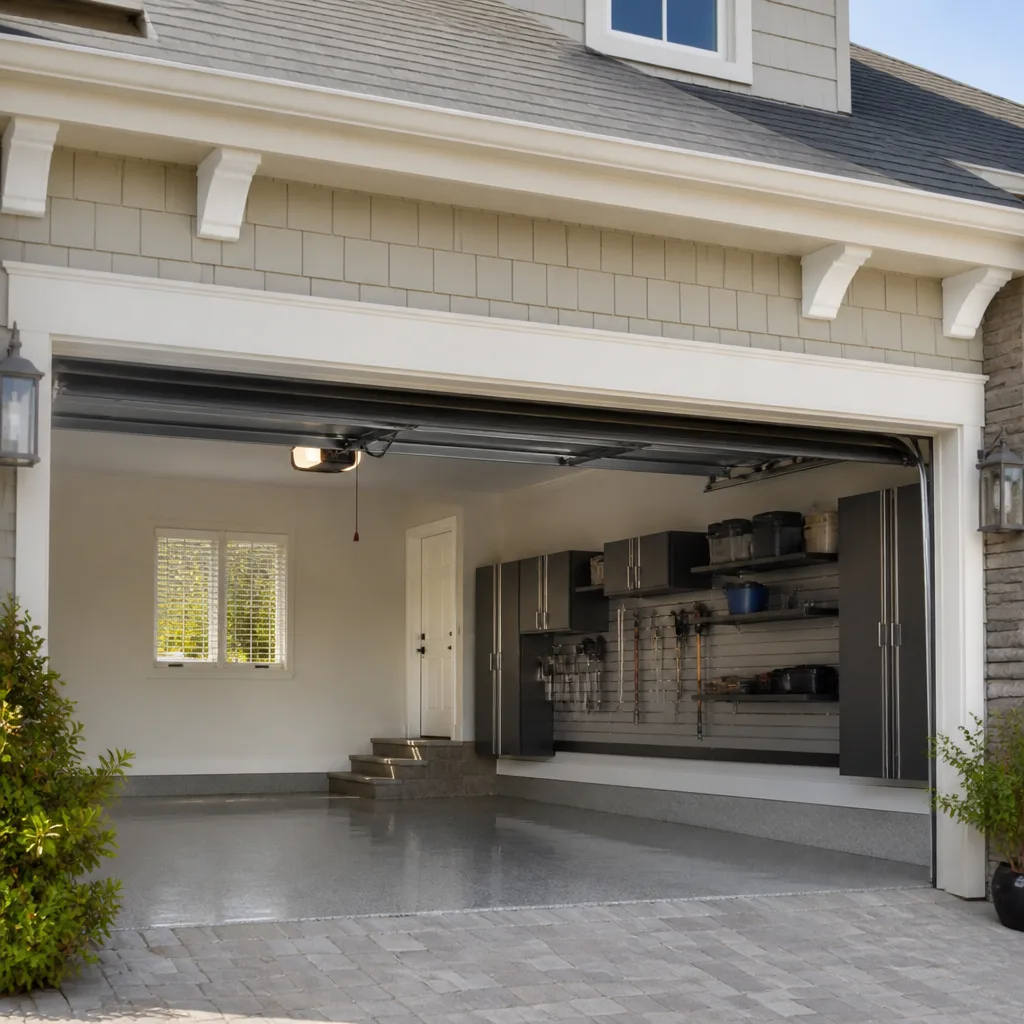 LiftMaster openers
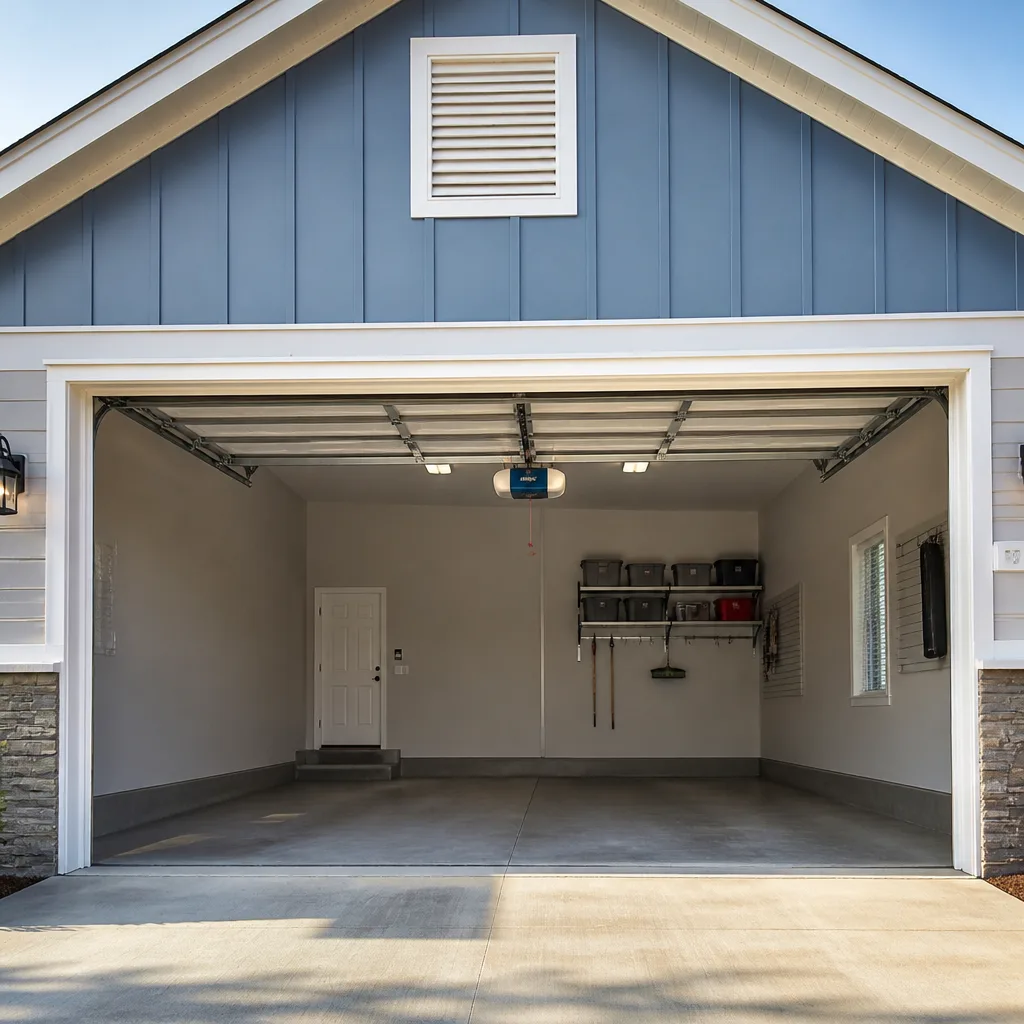 Chamberlain openers
Full 25-point door and opener safety check with every visit - springs, cables, rollers, tracks, and your LiftMaster or Chamberlain opener included
You get a price before we start. It does not change when the pro arrives.
Get your free estimateGarage Door Warning Signs: A Fruit Cove Homeowner’s Reference Guide
A garage door that hesitates for two seconds before closing isn’t being slow. It’s telling you that the safety sensors, the spring tension, or the track alignment is off, and that two-second pause will eventually become a door that won’t move at all. Most homeowners wait for a total failure before they call anyone, then treat the breakdown as a surprise. It isn’t. Almost every door we look at in Fruit Cove gave warnings first: a sound, a stain, a panel that stopped sitting flush. This guide maps those signals to the component behind them, so you can tell the difference between something to watch and something to stop using today.
Quick Answer
The warning signs that matter most are a loud bang from above the door followed by a door that won’t lift, a door that reverses before it touches the floor, and visible gaps or bends in the track or panels. Those three mean stop using the door and get it looked at. Slower signals, like grinding, a two-second hesitation, or a door that closes unevenly, mean book a service visit before the small problem turns into a spring failure or a bent track. Either way, the door is telling you something specific, and matching the symptom to the part is the whole skill.
Styles & brands we work with
- Raised-panel steel
- Carriage house
- Modern flush
- Full-view glass
- LiftMaster openers
- Chamberlain openers
Table of Contents
- Sound-to-Cause Reference: What Your Door Is Telling You
- Visual Warning Signs Specific to Fruit Cove’s Climate
- “Watch It” vs. “Stop Using the Door Now”
- Why a Slow Opener Is Almost Never the Opener
- How to Describe a Warning Sign So the Right Parts Arrive
- A Seasonal Walk-Around for Fruit Cove Homes
- Common Mistakes to Avoid
- When to Call a Professional
Sound-to-Cause Reference: What Your Door Is Telling You
Sound is the fastest diagnostic tool you have, and it’s free. A garage door is a system of springs, cables, rollers, hinges, and an opener, and each one fails with a distinct noise. If you can name the sound accurately, you’ve already narrowed the problem to one or two components before anyone arrives. Here’s how we map the common sounds to their causes.
- A loud bang, like a firecracker, from above the door: almost always a torsion spring breaking. The door usually won’t lift afterward, or lifts a few inches and stops. This is a stop-using-it-now signal.
- Grinding that rises and falls as the door moves: dry or worn rollers, or a torsion tube that needs lubrication. It’s rarely urgent, but it accelerates wear on everything it touches.
- Popping or snapping during travel: a cable jumping its drum, or a hinge plate pulling loose from the panel. Popping near a corner is the one to take seriously, because a cable under tension can whip.
- Scraping metal on metal along one side: the door is rubbing the track. Usually an alignment issue, sometimes a bent track section.
- A rhythmic thumping or rattling: loose hinge bolts or a panel that has started to separate from the stile. It’s the earliest warning you’ll get before a panel warps.
- A hum from the opener with no movement: the motor is running but the drive isn’t engaging. That’s an opener or drive-gear issue, not a door issue.
Two of those sounds, the bang and the popping near a corner, involve high-tension springs and cables. Those parts store enough energy to cause serious injury, and they’re not a homeowner repair. We recommend leaving the door down and calling a trained technician for either one. Our technicians have up to 11 years of experience with exactly these failures.
Visual Warning Signs Specific to Fruit Cove’s Climate
Fruit Cove’s heat and humidity do specific things to a garage door, and most warning-sign checklists written for colder parts of the country miss them entirely. You won’t find freeze damage here. What you will find is UV breakdown, humidity-driven rust, and seals that age faster than the hardware they protect. Look for these on your own door.
- Rust starting at the bottom edge and along the hinges: humidity collects low and sits in the hinge plates. Surface rust on a hinge is cosmetic; rust bleeding from a cable or a spring is not, because it means moisture is reaching a load-bearing part.
- A bottom seal that has gone hard, cracked, or pulled away from the panel: the rubber weather seal takes the most sun and the most heat, and once it stiffens it stops sealing. You’ll notice daylight under the door or water on the floor after a heavy rain.
- Panel warping, especially on a west- or south-facing door: sustained UV and heat can bow a steel or wood panel over time, and a warped panel binds against the track as it travels.
- Faded or chalky paint with a powdery feel: the finish is breaking down. It’s not a mechanical failure, but it’s the first step toward moisture getting into the panel itself.
- Staining or sagging at the top of the door frame: water is getting behind the trim. That’s a building-envelope issue as much as a door issue, and worth investigating before it reaches the panels.
None of these happen overnight, which is exactly why they’re useful. A rust spot on a hinge is a reminder to look at the cable. A stiff seal is a cheap fix that protects the door behind it. For anything touching the springs or cables, though, treat the visual cue as a reason to have it inspected rather than a reason to climb a ladder. If you’d rather have someone look, our garage door repair service covers exactly this kind of inspection.
“Watch It” vs. “Stop Using the Door Now”
The single most useful skill in this guide is sorting a symptom into one of two buckets. Some warnings mean the door is still safe to operate while you schedule a visit. Others mean every additional cycle risks bending a panel, dropping the door, or injuring someone standing underneath. Getting this wrong is how a $200 repair becomes a full replacement.
Stop using the door and call now if you see or hear:
- A loud bang followed by a door that won’t lift, or lifts only a little. The spring has likely failed, and running the opener against it strains the motor and can snap a cable.
- The door hanging crooked, with one side lower than the other. That’s a cable or spring imbalance, and the door can come down hard.
- A cable that is frayed, kinked, or hanging slack. Cables are under extreme tension; a failing one is a genuine hazard.
- The door coming off the track, or a roller popped out of the track. The door can fall or fold.
- The door reversing for no reason, or closing on an object. The safety system has failed and the door is no longer safe to operate unattended.
- Any visible gap between the door and the frame after it closes. That’s a security issue as well as a mechanical one.
Watch it, and book a visit before it gets worse, if you notice: grinding or squeaking, a slight hesitation before the door moves, a seal that’s hardening, surface rust on hinges, or an opener that’s louder than it used to be. These are the early signals, and handling them early is the whole point of this reference. A garage door spring repair visit caught at the “watch it” stage is far simpler than one after the bang.
Why a Slow Opener Is Almost Never the Opener
When a door starts moving more slowly, the instinct is to blame the opener. In our experience it’s usually the last thing at fault. The opener is a motor doing what it’s told; the door is the load it’s fighting. If the load got heavier, the opener sounds tired. Nine times out of ten, a “slow opener” is a door problem wearing an opener costume.
Here’s what’s usually behind it:
- Springs that have lost tension. As torsion springs age, they carry less of the door’s weight. The opener picks up the slack, and the door drags. This is the most common cause we find.
- Dry or seized rollers. A roller that won’t spin turns a smooth glide into a scrape, and the opener has to work harder to push through it.
- A track that’s slightly out of alignment. Even a small bind adds resistance across the whole travel, and the door slows in one spot before it does anywhere else.
- A door that’s out of balance. Disconnect the opener and lift the door halfway by hand. A balanced door stays put. One that drops or rises on its own is telling you the springs are the problem, not the motor.
That balance check is the one test worth doing yourself, because it sorts the door from the opener in about ten seconds. If the door is balanced and the opener still hesitates, then it’s worth looking at the opener itself, including the drive gear and the safety sensors on LiftMaster and Chamberlain units, which both have well-known sensor and gear behaviors. That’s the kind of thing our garage door opener repair service handles, and it saves you from replacing a motor that was fine all along.
How to Describe a Warning Sign So the Right Parts Arrive
Vague descriptions cost time. “It’s making a weird noise” tells a technician almost nothing, and it’s the main reason a first visit sometimes turns into a second one with a different part. The fix is a short, structured description. If you can answer these five questions before you call, you’ll usually get the right diagnosis and the right part on the first trip.
- What does it sound like, and when? Name the sound (grinding, popping, banging, scraping) and say whether it happens on opening, on closing, or the whole way.
- Where is it coming from? Center of the door (springs and torsion tube), left or right side (cables, drums, tracks), or the ceiling unit (opener).
- What does the door do? Won’t move, moves a little then stops, reverses, hangs crooked, or closes unevenly.
- Is it balanced? The halfway hand-lift test tells you and the technician whether it’s a spring issue.
- What’s the door and opener? Steel or wood, single or double, and the opener brand if you can read it. LiftMaster, Chamberlain, Genie, Clopay, Amarr, Wayne Dalton, Craftsman, and Raynor all cross our bench routinely, so the brand rarely trips us up; it just helps us prepare.
A photo helps more than a paragraph. Take one of the full door, one of the springs above it, and one of any rust or gap you’ve spotted. For a brand like Clopay or Genie, knowing the model saves a step. Here’s the simple rule: describe what it does, not what you think is wrong. We’ll do the diagnosis; you just give us the clues.
A Seasonal Walk-Around for Fruit Cove Homes
A five-minute check a few times a year catches most of what this guide describes before it becomes a call. In Fruit Cove, the seasons that matter are the wet summer and the cooler dry stretch, and each one stresses the door differently. Here’s the walk-around we’d suggest.
- Open and close the door once and just listen. Any new grinding, popping, or scraping since the last check?
- Look at the springs and cables above the door. Rust bleeding, a frayed or kinked cable, or a gap in the coils are all reasons to stop and call. Don’t touch them; just look.
- Check the bottom seal. Run a hand along it. Hard, cracked, or detached means it’s stopped doing its job.
- Look for daylight under a closed door. A gap means an alignment or seal problem.
- Run the balance test. Lift the door halfway by hand. It should stay put without help.
- Wipe the safety sensors and check they’re aimed. Both lenses should be clean and pointing at each other.
- Look at the panels for warping or fading, especially after a long hot stretch. A bowed panel is a warning sign, not just a cosmetic one.
Do this before the rainy season and again as the heat eases, and you’ll get a clear picture of whether anything has changed. If something looks off, a free estimate turns a guess into an answer. Our Fruit Cove Garage Door Repair team can walk the same checklist with you and tell you which items are worth acting on now.
Common Mistakes to Avoid
- Running the opener after the spring breaks. If you hear the bang and the door won’t lift, stop. Every cycle you force strains the motor and risks a cable snap. Leave it down and call.
- Assuming the opener is at fault when the door slows. As we covered, a slow door is usually a spring, roller, or track problem. Replacing a healthy opener wastes money and the real fault is still there.
- Trying to fix springs or cables yourself. These are the highest-tension parts on the door and the reason to call a trained technician. This is a safety line, not a sales line.
- Ignoring rust and a stiff seal because they seem cosmetic. In Fruit Cove’s humidity, rust on a hinge is your early warning that moisture is reaching moving parts. Catching it early is cheap.
- Calling with “it’s making a noise” and nothing else. Use the five-question description above and the right part usually shows up on the first visit.
- Waiting for the door to fail completely. The whole point of reading warning signs is that a small repair happens before a big one. A door that hesitates is asking for a visit, not a rescue.
- Letting one panel warp without checking the track. A warped panel binds on the track, and the bind wears the rollers, which is how one problem quietly becomes three.
When to Call a Professional
Call us when the door won’t move, hangs crooked, reverses for no reason, or makes a bang or pop you can’t explain. Any of those is a “stop using it” signal. Call when you see a frayed cable, a spring with a gap, a panel coming off the track, or daylight under a closed door after dark. And call earlier than you might think for the slow stuff, like grinding, a hesitant start, or a seal that’s gone hard, because that’s where the easy fix lives. Spring and cable work is high-tension and genuinely dangerous, so that’s never a homeowner job; a trained technician handles it with the right tools. Fruit Cove Garage Door Repair offers free estimates in Fruit Cove. Call (866) 481-7215. We answer 24/7. Fast dispatch from 7am to 7pm, Sunday through Friday, and we’re closed Saturday. A call outside dispatch hours is booked into the next opening.
See the difference
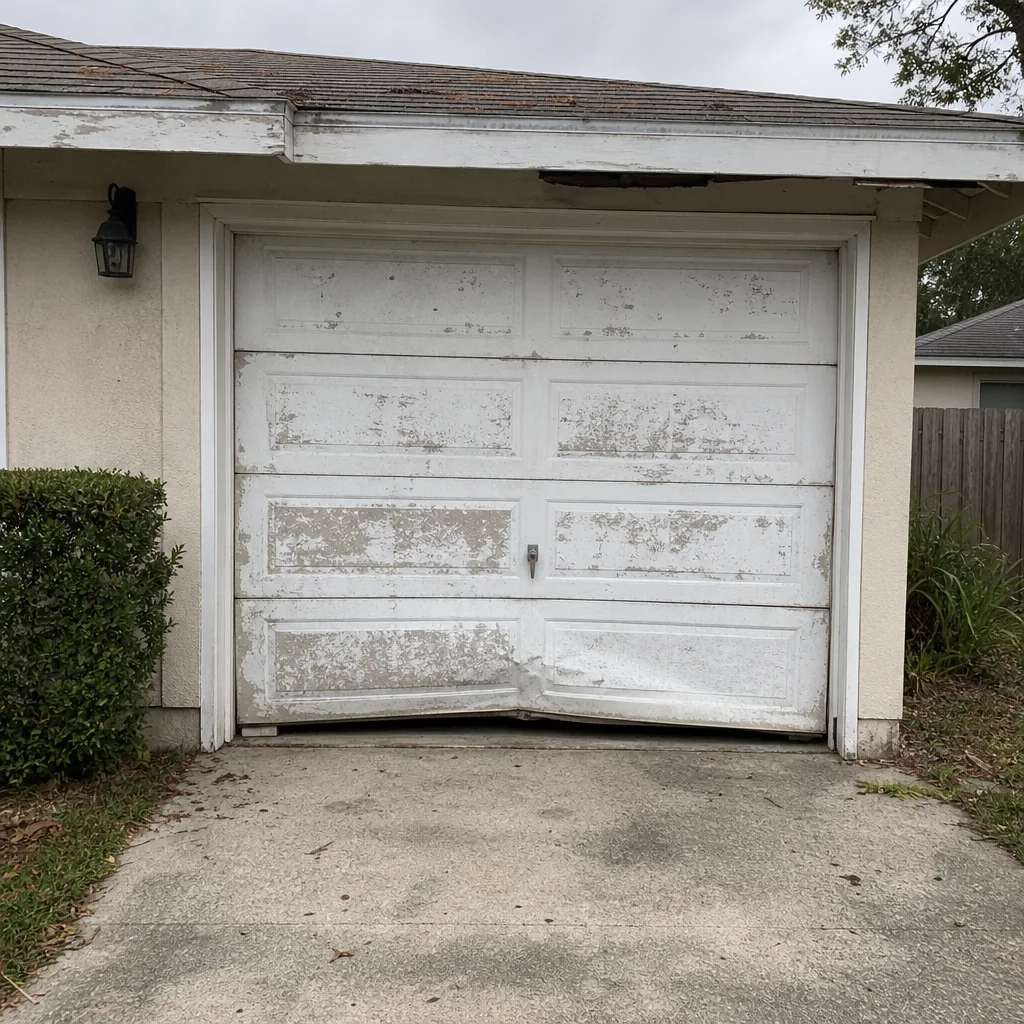 Before
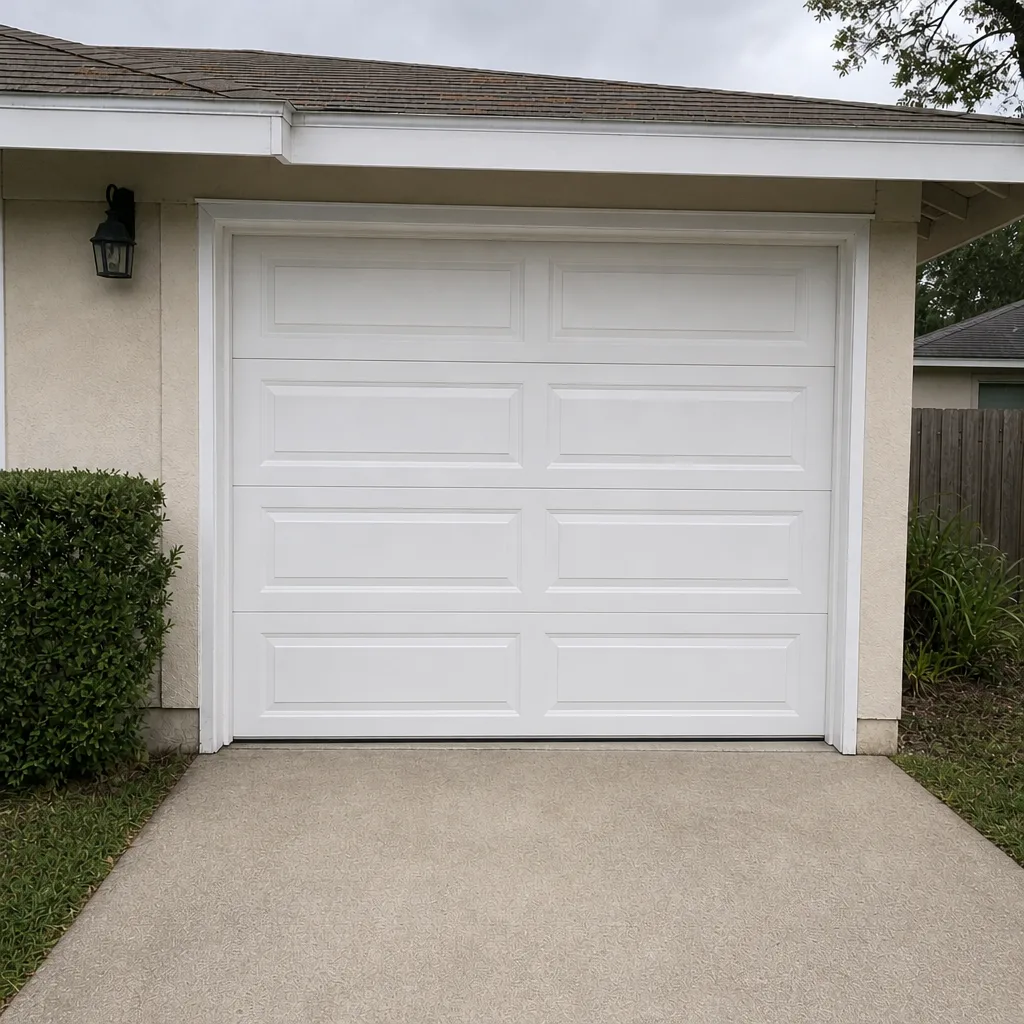 After
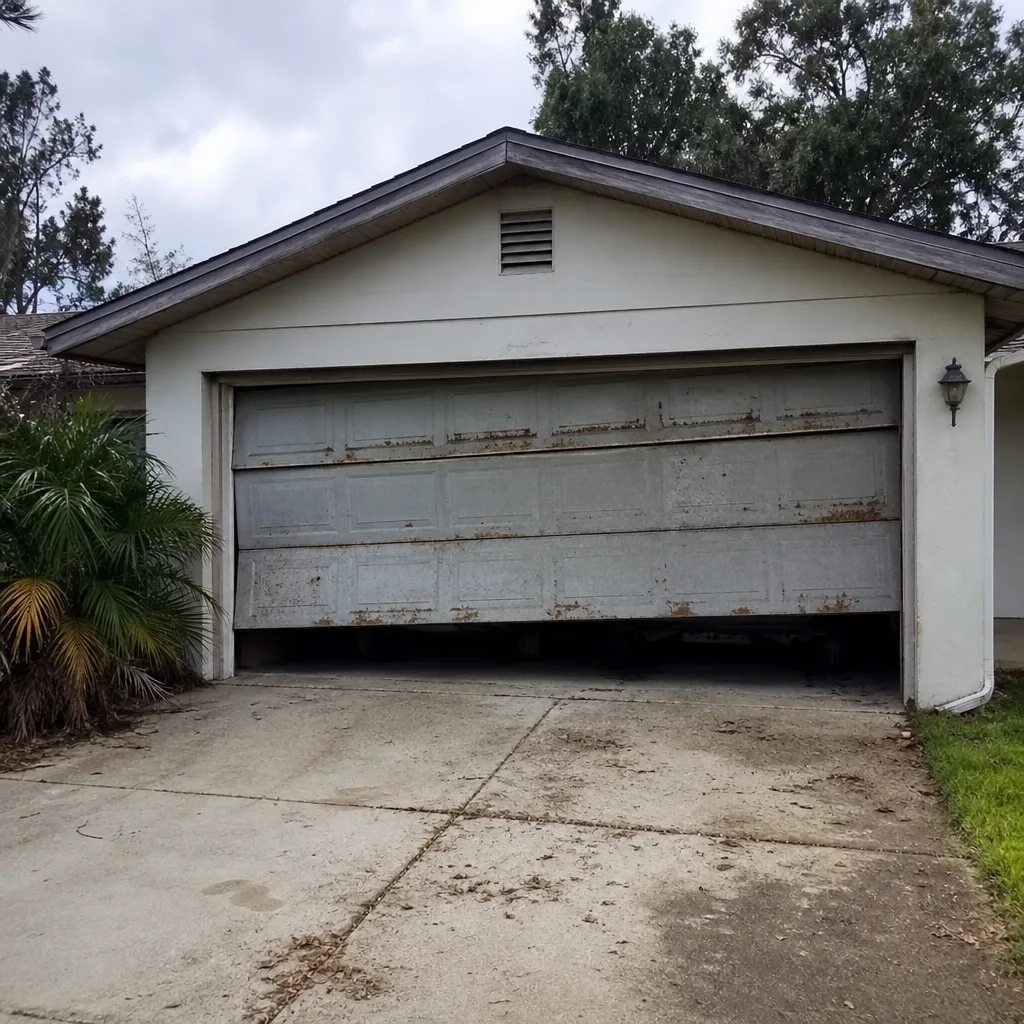 Before
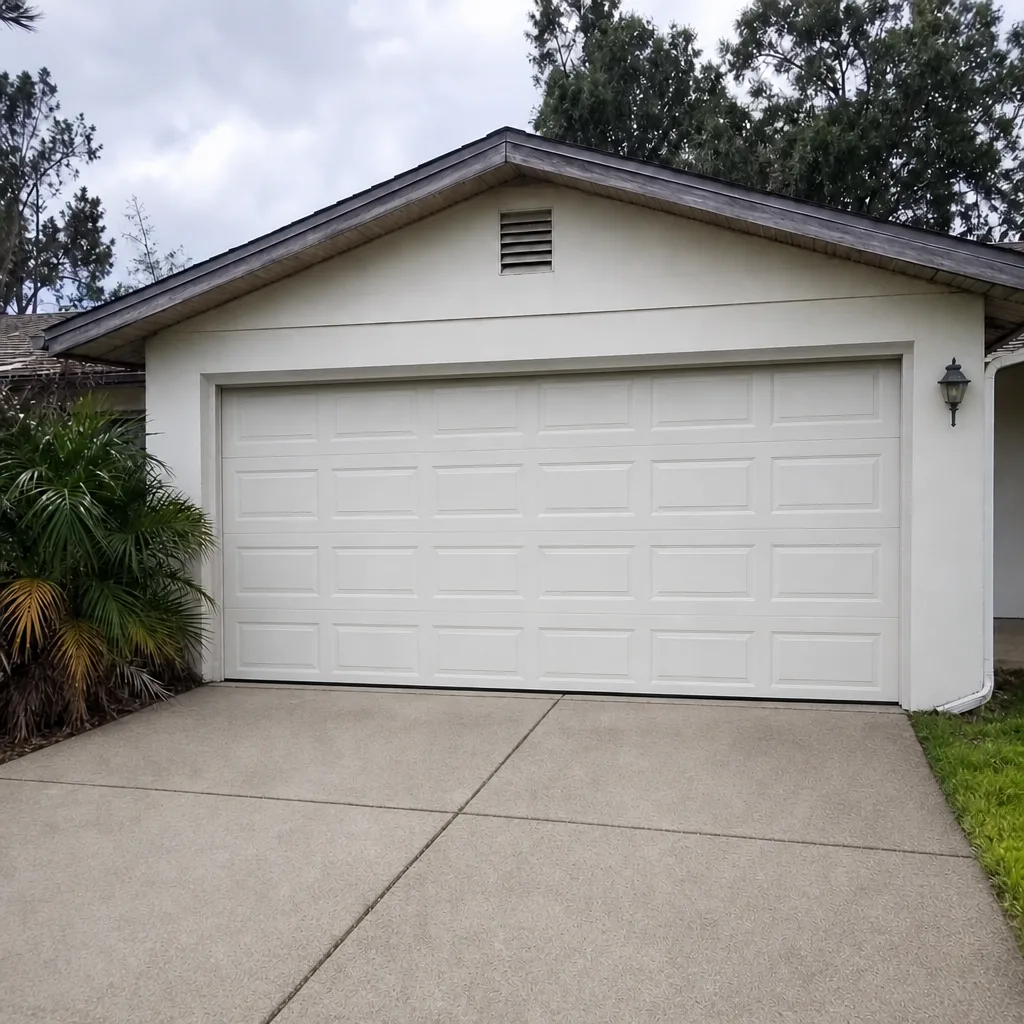 After
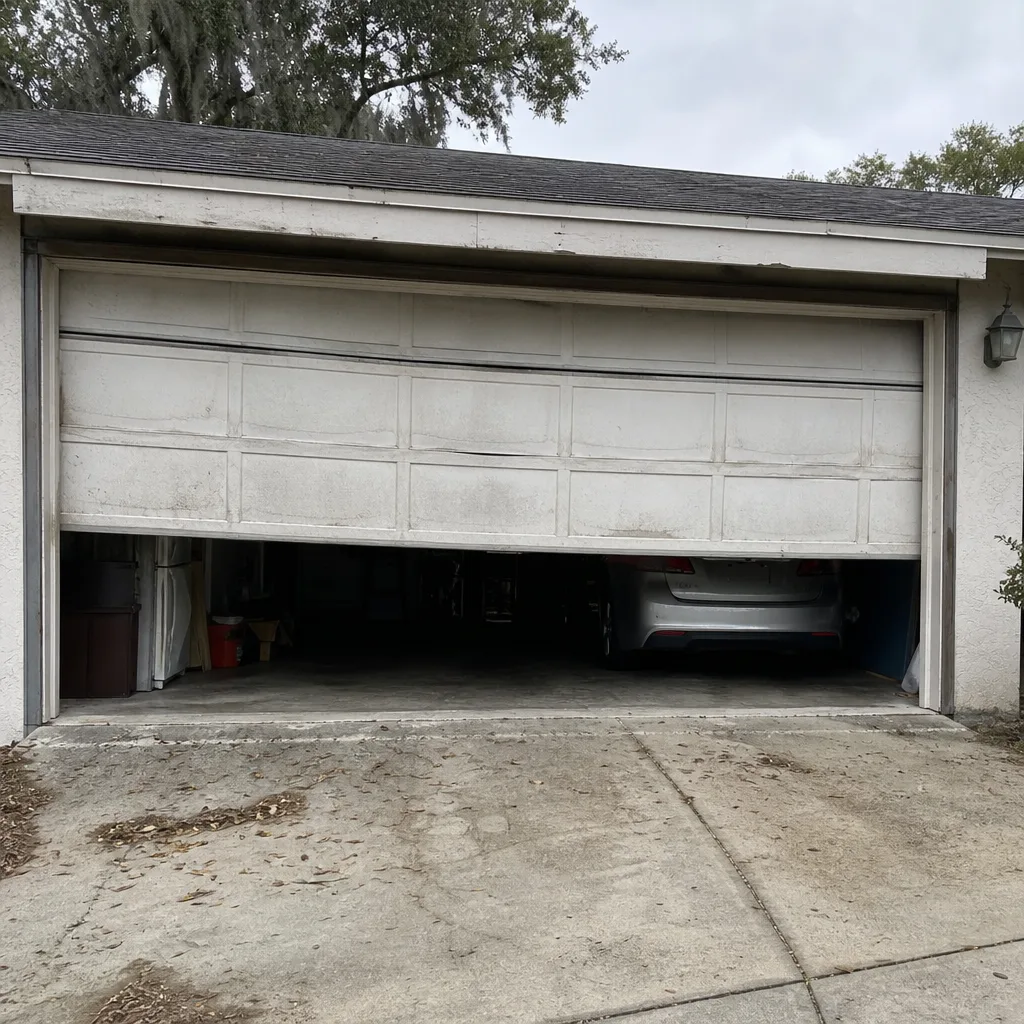 Before
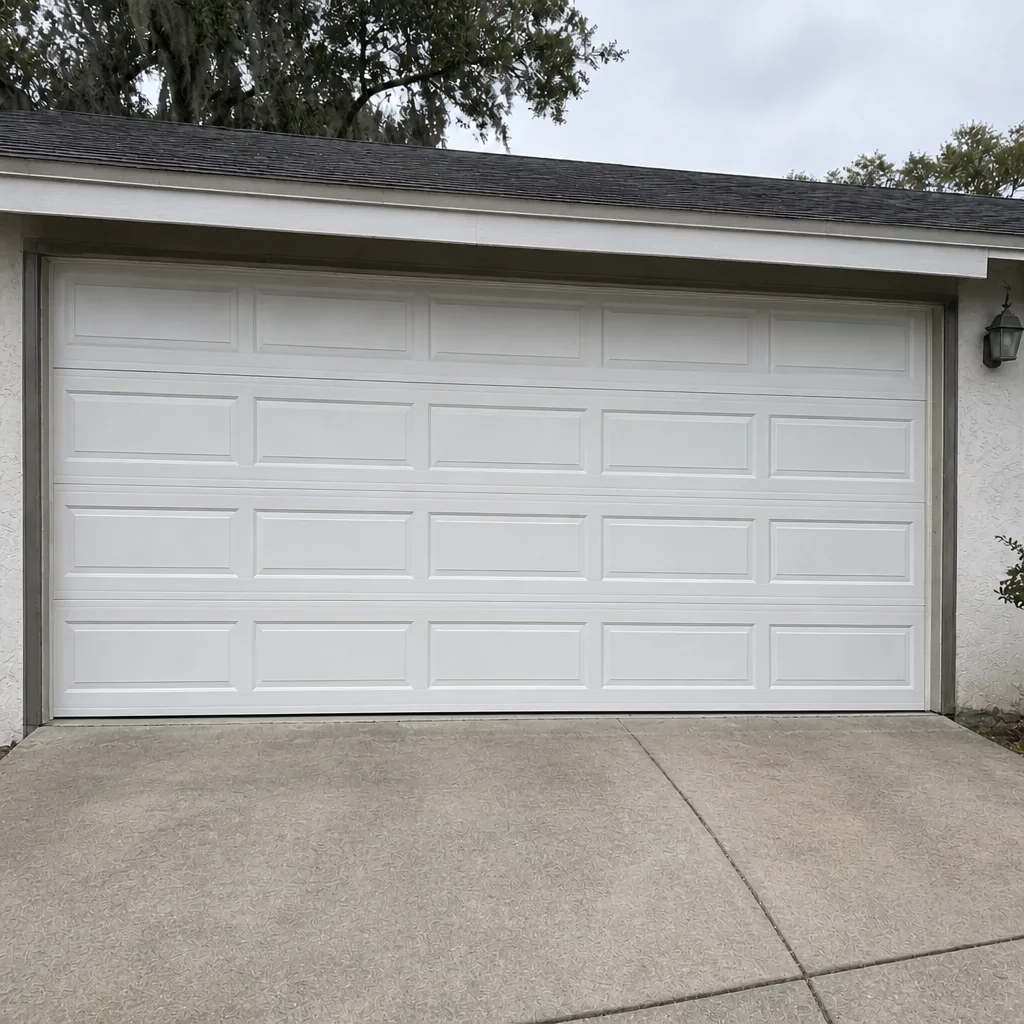 After
Frequently Asked Questions
A loud bang followed by a door that won’t lift, usually a broken torsion spring, is the one to act on immediately: stop using the door and call a technician, because forcing the opener can snap a cable. A door that hangs crooked or comes off the track is the next most serious. Both are high-tension failures that aren’t safe to handle yourself. Call (866) 481-7215 for an exact quote; estimates are free.
No. In our experience a slow door is usually a spring that has lost tension, a dragging roller, or a track that’s out of alignment, not the opener itself. Do the halfway hand-lift test: if the door won’t stay put on its own, the springs are carrying the blame. Only when the door is balanced should you look at the opener.
A short pause before closing usually points to the safety sensors or a spring-tension issue, not a slow motor. Check that the sensor lenses are clean and aimed at each other, and run the balance test. If the hesitation continues, it’s worth a service visit before it becomes a door that won’t close at all.
Grinding points to dry rollers or a torsion tube; popping or snapping near a corner points to a cable or hinge; scraping points to the door rubbing the track; a hum with no movement points to the opener drive. A loud bang from above is almost always a broken spring. Name the sound and where it comes from when you call.
No. Most failures warn you first, and acting at the “watch it” stage keeps a small repair small. A hesitant door, grinding, or a stiff seal are cheap to address. Waiting until the door won’t move risks a bent panel and a bigger repair. Call (866) 481-7215 for a free estimate before it gets there.
Yes. Heat and humidity here tend to age the bottom seal, start rust at the hinge plates and cables, and bow panels on a west- or south-facing door over time. A short walk-around before the wet season and after the heat eases catches those early. If something looks off, a free estimate turns it into an answer.
The Bottom Line
Most garage door failures in Fruit Cove announce themselves first. A hesitating door, a grinding roller, a stiffening seal, a rust spot on a hinge: each is a message about a specific part, and reading it accurately is what keeps a small repair from becoming a spring failure or a bent track. Learn the two buckets. “Watch it” means book a visit; “stop using it now” means leave the door down and call. Describe the sound and the behavior, use the five-question check, and the right part arrives the first time. Springs and cables always go to a technician. Everything else is easier the earlier you act.
Contact
If your door is telling you something and you’re not sure how serious it is, call Fruit Cove Garage Door Repair at (866) 481-7215 for a free estimate. We answer 24/7, with fast dispatch from 7am to 7pm, Sunday through Friday, and we’re closed Saturday. One call covers repair, opener issues, spring work, and new installation, and the price is quoted and agreed before any work starts.
Written by the team at Fruit Cove Garage Door Repair.