
Last updated November 23, 2026
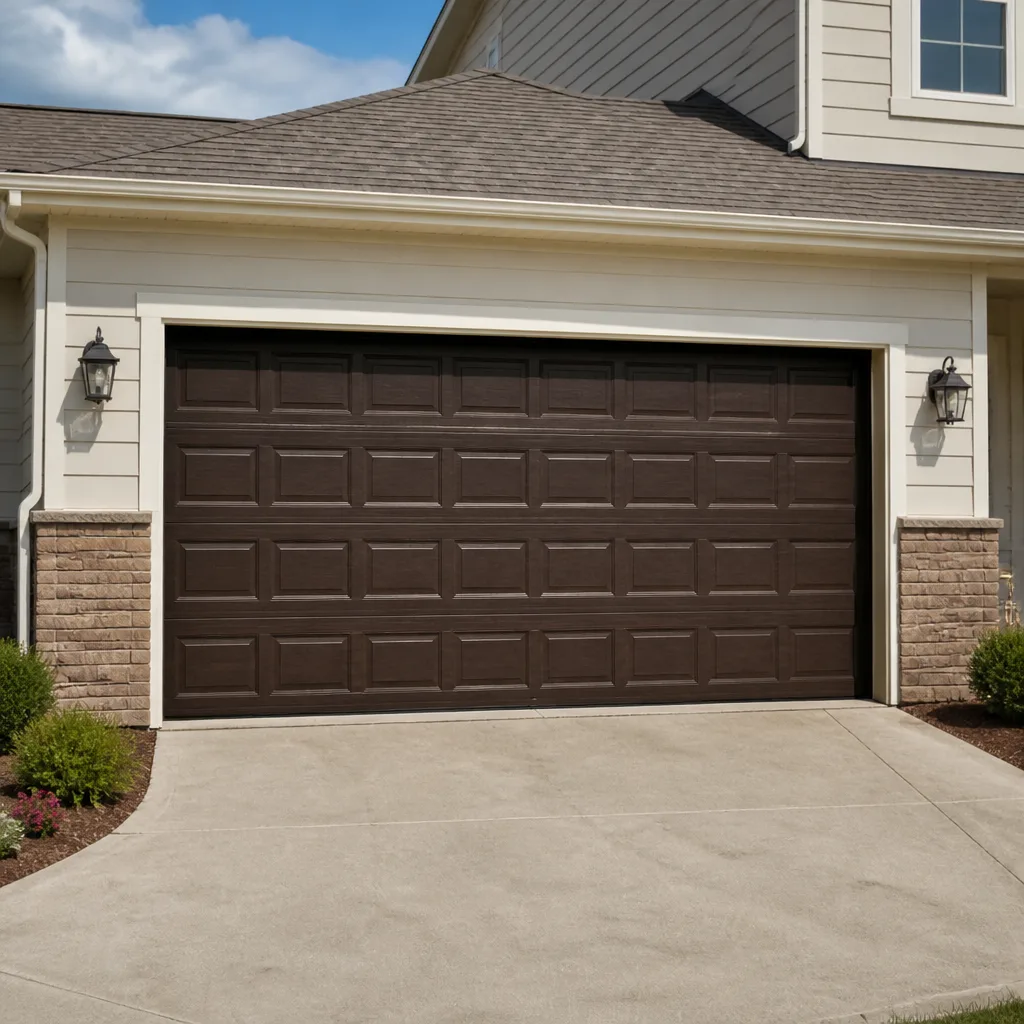 Raised-panel steel
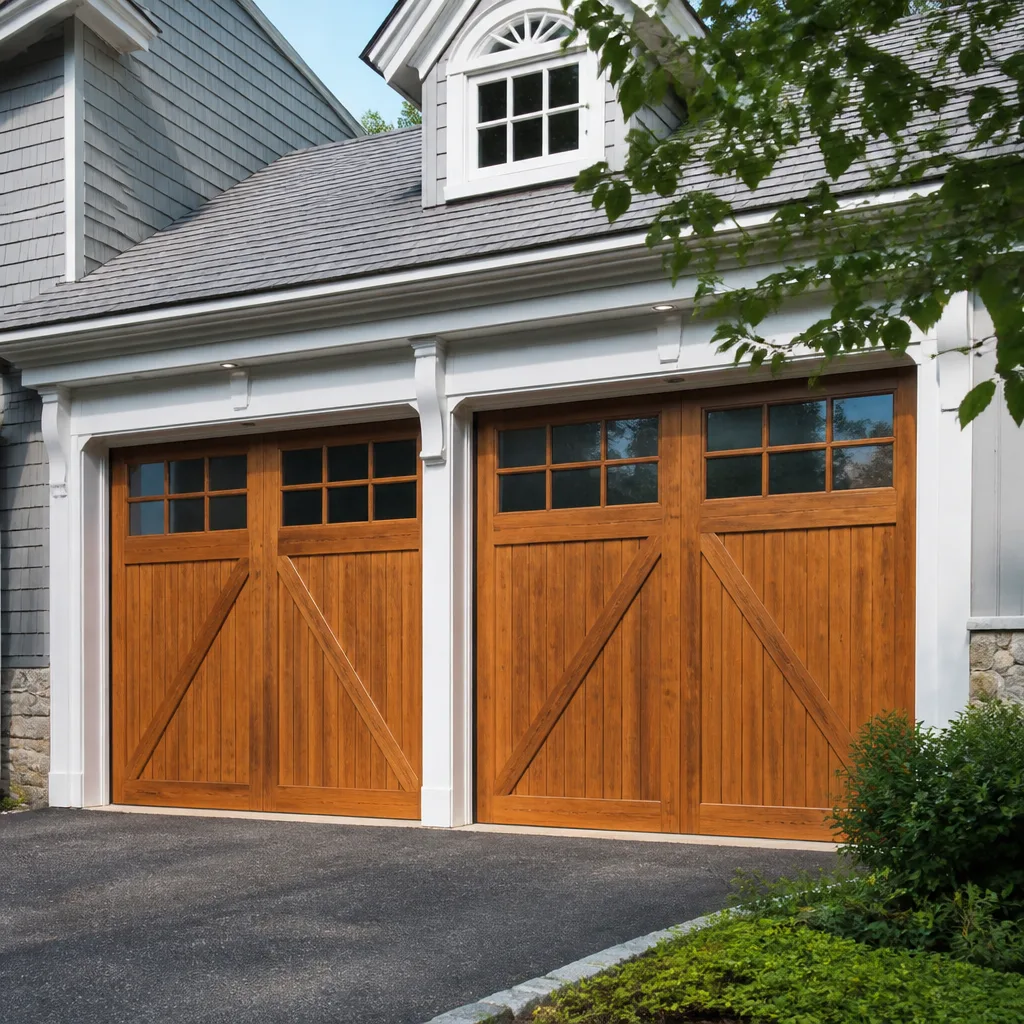 Carriage house
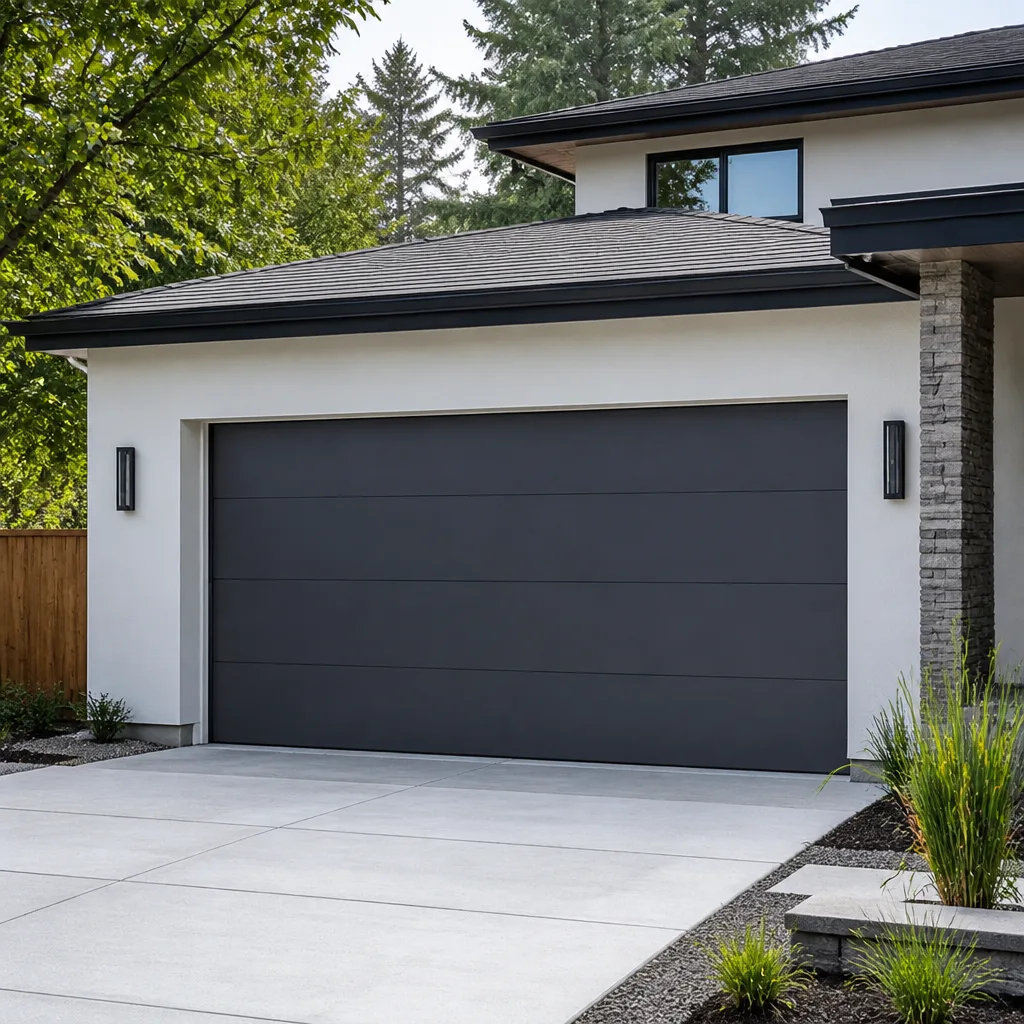 Modern flush
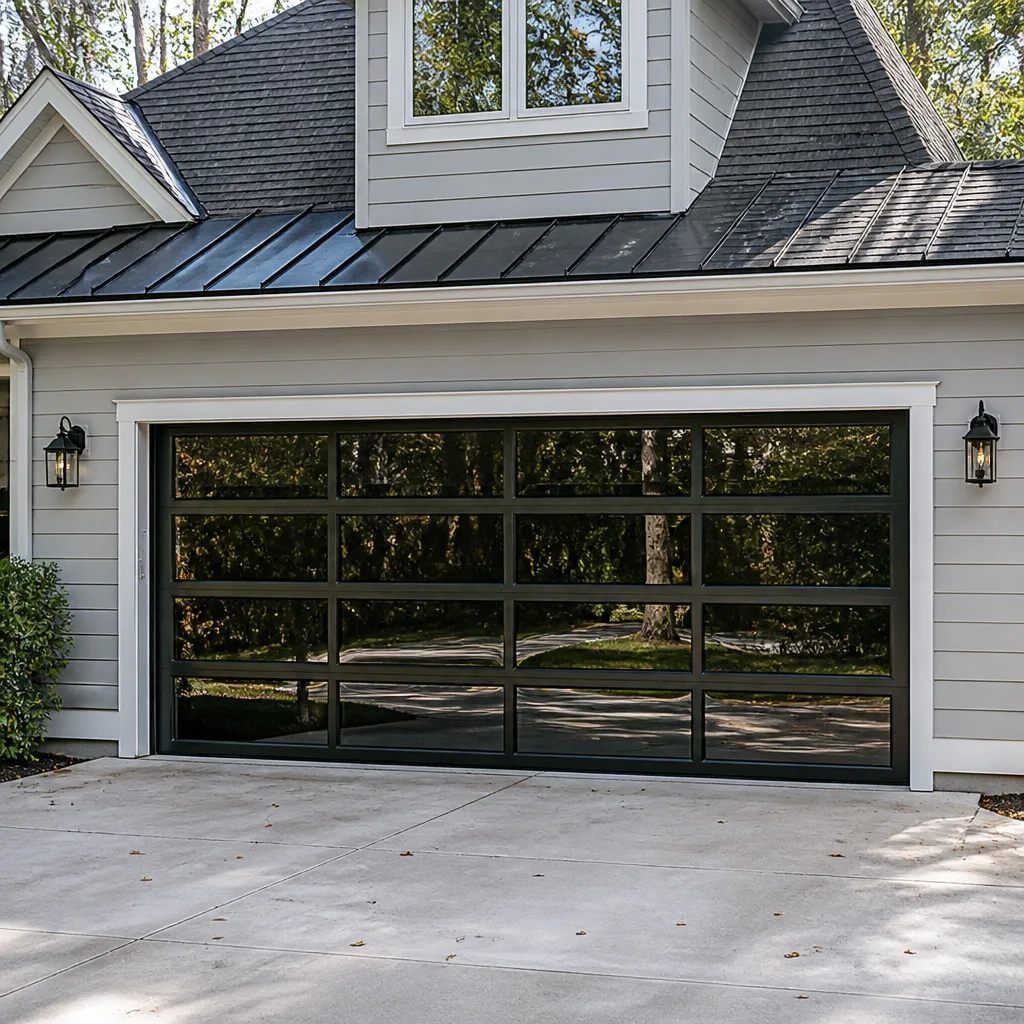 Full-view glass
 LiftMaster openers
 Chamberlain openers
Full 25-point door and opener safety check with every visit - springs, cables, rollers, tracks, and your LiftMaster or Chamberlain opener included
You get a price before we start. It does not change when the pro arrives.
Get your free estimateSeasonal Garage Door Care for Fruit Cove: Year-Round Homeowner’s Guide
Most garage door maintenance advice you’ll read was written for a place that gets ice and snow, and it tells you to “winterize” your door. In Fruit Cove, that advice is mostly wasted effort. Our real deadline comes in late spring, not late fall. The stretch from April into May is when a homeowner still has time to inspect, test, and reinforce a door before the June 1 start of hurricane season, and most people let it slip past without a thought. This guide replaces the standard four-season checklist with a calendar that actually fits Fruit Cove: a prep season, a peak heat season, a post-storm inspection period, a short mild window, and a year-round humidity job running underneath all of it. You’ll learn what to check each month, why heat and humidity wear different parts of the door, and when a problem needs a trained technician rather than a Saturday ladder session.
Quick Answer
Garage door care in Fruit Cove follows a different rhythm than the rest of the country: the most important prep work happens in April and May before hurricane season opens on June 1, peak heat from June through September stresses seals, weatherstripping, and opener motors, and a post-storm inspection matters even when the door looks perfectly fine. Humidity is a year-round factor that quietly corrodes springs and hinges, while the mild window from November through February is the best time for repainting, resealing, and hardware upgrades. Get those five phases right and your door holds up far better than one on a generic quarterly schedule.
Styles & brands we work with
- Raised-panel steel
- Carriage house
- Modern flush
- Full-view glass
- LiftMaster openers
- Chamberlain openers
Table of Contents
- Pre-Hurricane Season Checklist (April-May)
- Peak Heat Care (June-September)
- Post-Storm Inspection Protocol
- The Mild Season Window (November-February)
- Year-Round Humidity Management
- A Simple Monthly Walk-Around
- Common Mistakes to Avoid
- When to Call a Professional
Pre-Hurricane Season Checklist (April-May)
Hurricane season in Florida officially opens June 1, and that date is the true maintenance deadline for a Fruit Cove garage door. The goal of April and May work isn’t to make the door storm-proof; no residential garage door is built to resist a direct hit from a major storm. The goal is to make sure the door is structurally sound, balanced, and properly sealed so a wind event and the rain that comes with it don’t turn a small weakness into a large repair. A door that’s already struggling will be the first thing to fail when the weather turns.
Here’s what to inspect and test before the season opener:
- Test the balance. Disconnect the opener and lift the door by hand to about halfway. It should stay put. If it drifts down or feels heavy, a spring is losing tension, and that’s a repair to schedule before the season, not after.
- Check the bottom seal. Look for cracks, gaps at the corners, or a seal that has pulled loose from the track. This is the barrier that keeps wind-driven rain out of the garage.
- Inspect the tracks for alignment. Run your hand along the inside of each track (not the sharp edges) and look for bends, dents, or a section that isn’t parallel to the door. Misalignment gets worse under wind load.
- Test the safety reverse. Put a small object in the door’s path and confirm the door reverses on contact, then test the photo-eye alignment. An opener that won’t reverse reliably is a safety problem regardless of the weather.
- Tighten and lubricate the hardware. Bolts on the hinges, brackets, and track mounts should be snug. A light application of a garage-door-specific lubricant on hinges, rollers, and springs keeps things moving smoothly through the humid months ahead.
- Confirm the manual release works. If the power goes out, you’ll need to open the door by hand. The red release cord should operate smoothly and the door should move freely once disconnected.
In our experience, the items that fail most often after a storm are the ones nobody checked in May: a seal with a hairline crack, a track bolted down slightly loose, an opener with a worn gear. If a spring is already showing its age by April, our garage door spring repair service can assess it before the busy season begins. We work on Amarr and Wayne Dalton doors as readily as any other, so there’s no compatibility guesswork. Call (866) 481-7215 to schedule a free pre-season estimate.
Peak Heat Care (June-September)
Once summer settles in over Fruit Cove, the garage door faces its toughest sustained test of the year. A garage that isn’t air-conditioned becomes an oven during the hottest months, and every component on the door feels it. The two parts most affected are the rubber bottom seal and the adhesive-backed weatherstripping, and both fail in ways that are easy to overlook until water is getting in.
Here’s what summer heat does to a garage door, and what to watch:
- Bottom seals warp and take a set. The rubber or vinyl bottom seal presses against the concrete when the door is closed. Sustained heat softens it, and when the door stays down for hours, the seal can take on the shape of the floor permanently. A warped seal lets in wind-driven rain and insects.
- Weatherstripping adhesive lets go. The gasket around the sides and top is often glued in place. Heat weakens the adhesive, and strips start to sag or peel at the corners. Once one corner lifts, the whole run tends to follow.
- Opener motors work harder. A hot garage is harder on the opener’s motor, capacitor, and drive gears. If your opener starts hesitating, reversing early, or running louder, heat is a likely factor, and that’s a good reason to look into garage door opener repair rather than waiting for it to fail outright.
- Metal expands. Panels and tracks expand slightly in the heat. A track that’s already slightly out of alignment can bind during the hottest part of the day and free up after dark.
- Lubricant dries out faster. Hinges and rollers lose their film faster in hot, humid air than in cooler climates.
For peak heat, the practical move is to check your weatherstripping and bottom seal once a month, and to listen to your door. Any new noise or hesitation is worth describing to a technician. Our technicians have up to 11 years of experience with the kind of heat-related wear that shows up in Fruit Cove garages, and we work on Craftman, LiftMaster, Chamberlain, and Genie openers, among others. Fast dispatch from 7am to 7pm runs Sunday through Friday, so a summer problem gets handled promptly.
Post-Storm Inspection Protocol
After any tropical system moves through Fruit Cove, the worst thing you can do is look at the door from across the yard, decide it “seems fine,” and move on. Storm damage to a garage door is often invisible from the ground. Wind pressure can bend a track a fraction of an inch, warp a panel imperceptibly, or knock a roller out of its seat. A door that’s slightly out of true will still open and close, but it’s putting extra strain on the opener and springs every time it runs. Small alignment problems also tend to grow.
Follow this post-storm sequence, in order:
- Look before you touch anything. From outside, check whether any panel is visibly dented, bowed, or separated from its neighbors. Check the tracks for obvious bends. Do not force a door that’s clearly off its tracks.
- Test the manual release first. Pull the release cord and raise the door by hand. If it moves freely and smoothly, the door mechanism is likely intact. If it binds, sticks, or feels heavier than usual, call a technician before running the opener.
- Check the seals and weatherstripping. Look for a seal that’s torn, displaced, or now has a gap it didn’t have. This is the number one way rain gets in after a storm.
- Run the opener and watch and listen. Does the door track evenly on both sides? Any new grinding, squealing, or hesitation? Does the opener stop short of fully closing?
- Test the safety reverse and photo-eye. After any storm, re-test both. Blown debris or a knocked sensor can disable the safety feature without an obvious sign.
- Look at the springs. Check for a visible gap in a torsion spring or a stretched, sagging extension spring. Never attempt to adjust or replace springs yourself; the springs are under high tension and can cause severe injury. This is work for a trained technician only.
If anything looks or feels off, our garage door repair team can inspect it and give you a written estimate. We answer 24/7, so you can call (866) 481-7215 as soon as you notice a problem and get fast dispatch from 7am to 7pm, Sunday through Friday, to look at a door that’s not tracking right.
The Mild Season Window (November-February)
The stretch from November through February is the best time of year in Fruit Cove to do the work that requires a door to be out of service or in a stable climate. The weather is cooler and more predictable, humidity is lower, and paint and sealant cure properly instead of fighting moisture. If your door needs repainting, resealing, or a hardware upgrade, this is the window to plan for.
What to schedule in the mild window:
- Repainting a steel or wood door. Paint needs a surface that’s dry and a stretch of days with lower humidity to cure properly. A door painted in August fights the weather; a door painted in December doesn’t.
- Resealing the perimeter. New weatherstripping and bottom seals installed in the mild months get a chance to seat before summer heat hits them.
- Hardware upgrades. Replacing worn hinges, rollers, or brackets is easier and more comfortable in cooler weather, and it’s a good time to look at quieter nylon rollers if noise has been an issue.
- Full replacement decisions. If your door is past the point where repair makes sense, the mild season is when a new door can be measured, ordered, and installed without the pressure of peak-season scheduling. A replacement is measured and ordered, not a same-day job, so starting the conversation in the mild months gives you the lead time to get exactly what you want.
This is also a good time for a full inspection before the busy season. If your door has been making noise or a spring feels off, our Fruit Cove Garage Door Repair team can look at it and give you options. We repair before we replace whenever the door still has years of life in it, and we don’t push a new door on a repair that will hold.
Year-Round Humidity Management
Humidity is the quiet, constant factor in Fruit Cove garage door care, and it doesn’t take a season off. Florida’s warm, moist air works on metal slowly, and over time it corrodes the parts that matter most: springs, hinges, brackets, and the metal track. You won’t see a sudden failure, but you will see the signs over months: a dark film on the springs, rust at the hinge joints, and rollers that begin to stick instead of rolling freely.
The practical tools for managing humidity are ventilation habits and material choices:
- Ventilation habits. Leave the garage door cracked for a short time to let moist air out and cooler evening air in. Keep the space from becoming a sealed box, and don’t store wet items in the garage where they add moisture to the air.
- Lubrication frequency. In this climate, hinges, rollers, and springs need lubrication more often than in dry climates. A thin, garage-door-specific lubricant applied on a regular schedule does more to prevent corrosion than almost anything else you can do.
- Material choices at replacement. If you’re replacing a door or hardware, choose corrosion-resistant finishes. Stainless steel or galvanized hardware, and a door with a good factory finish, holds up better against humidity than bare-steel components. When we work with Amarr and Raynor doors, we can talk through the finish and hardware options that suit a humid climate.
- Watch the bottom of the door. The bottom section sits closest to a concrete floor that holds moisture. Rust and rot show up there first.
If your hinges or tracks are already showing rust, that’s worth a professional look before it spreads. Our spring repair page covers the components most affected by humidity, and we’re happy to give you a written estimate for hardware replacement.
A Simple Monthly Walk-Around
A five-minute walk-around once a month catches almost everything before it becomes a repair. Here’s the routine we suggest to Fruit Cove homeowners, adapted to the local climate:
- Walk the perimeter. Look at the bottom seal and weatherstripping for cracks, gaps, or lifting corners. Run a hand along each side.
- Check the seams and panels. Look for rust spots, dents, or a bottom section that’s taking on water. Humidity damage starts small.
- Watch and listen as the door runs. Any new noise, hesitation, or uneven movement is worth noting. A door that’s loud has a reason.
- Lubricate the moving parts. A light application on hinges, rollers, and springs once a month through the humid months keeps things running smoothly.
- Test the safety reverse and photo-eye. Every month. It takes a minute, and it’s the single most important safety check on a garage door.
- Look at the springs. Check from a safe distance for visible gaps or sag. Never reach into or adjust the spring mechanism yourself.
If any month’s walk-around turns up something you’re not sure about, you can call us and describe what you see. We’d rather answer a question than have a homeowner wait until a small issue becomes a big one. That’s a big part of why we focus only on garage doors: the same problems show up over and over, and we know what to look for.
Common Mistakes to Avoid
These are the seasonal-care mistakes we see most often in Fruit Cove, and each one is easy to correct:
- Waiting for “winter” to prep the door. Most national maintenance advice was written for cold climates. In Fruit Cove, your prep deadline is June 1 and the work happens in April and May. Waiting until fall means missing the season that actually matters.
- Skipping the post-storm inspection because the door “looks fine.” Wind damage to tracks and panels is often invisible from the ground. A five-minute check with the manual release and a run of the opener catches most of it.
- Painting or resealing in the summer heat. Paint and sealant need cooler, drier conditions to cure properly. The mild window from November through February is when that work holds up.
- Ignoring the bottom seal until water gets in. The bottom seal is the first line of defense against wind-driven rain and the first part to fail in heat. Check it monthly through the summer.
- Over-lubricating the tracks. A common misconception is that the tracks should be greased. They shouldn’t. Lubricant belongs on the hinges, rollers, and springs, and grease on the tracks just attracts dust and grit.
- Trying to adjust or replace springs yourself. Springs are under high tension and are one of the most dangerous parts of the door system. This is a safety issue, not just an inconvenience, and it’s work for a trained technician.
- Putting off a misaligned track. A track that’s slightly out of line puts extra strain on the opener and springs every time the door runs. Left alone, it turns a small alignment fix into a larger repair.
When to Call a Professional
Some garage door issues are a simple visual check and a note for the next service visit. Others need a trained technician right away. Call a professional if the door is off its tracks, if a spring has visibly failed (a gap in a torsion spring, or a sagging extension spring), if the opener hesitates or reverses without a reason, if a panel is bent or a track is misaligned, or if the door won’t open or close at all. Spring trouble is the one that deserves the most caution: never try to adjust or replace a spring yourself, because the tension in a wound spring can cause serious injury. Our technicians have up to 11 years of experience handling exactly these situations, and we work on Amarr, Wayne Dalton, Craftsman, and Raynor doors alongside the other leading brands.
Fruit Cove Garage Door Repair offers free estimates in Fruit Cove, and the price is quoted and agreed in writing before any work starts. Call (866) 481-7215. We answer 24/7, and fast dispatch runs from 7am to 7pm, Sunday through Friday.
See the difference
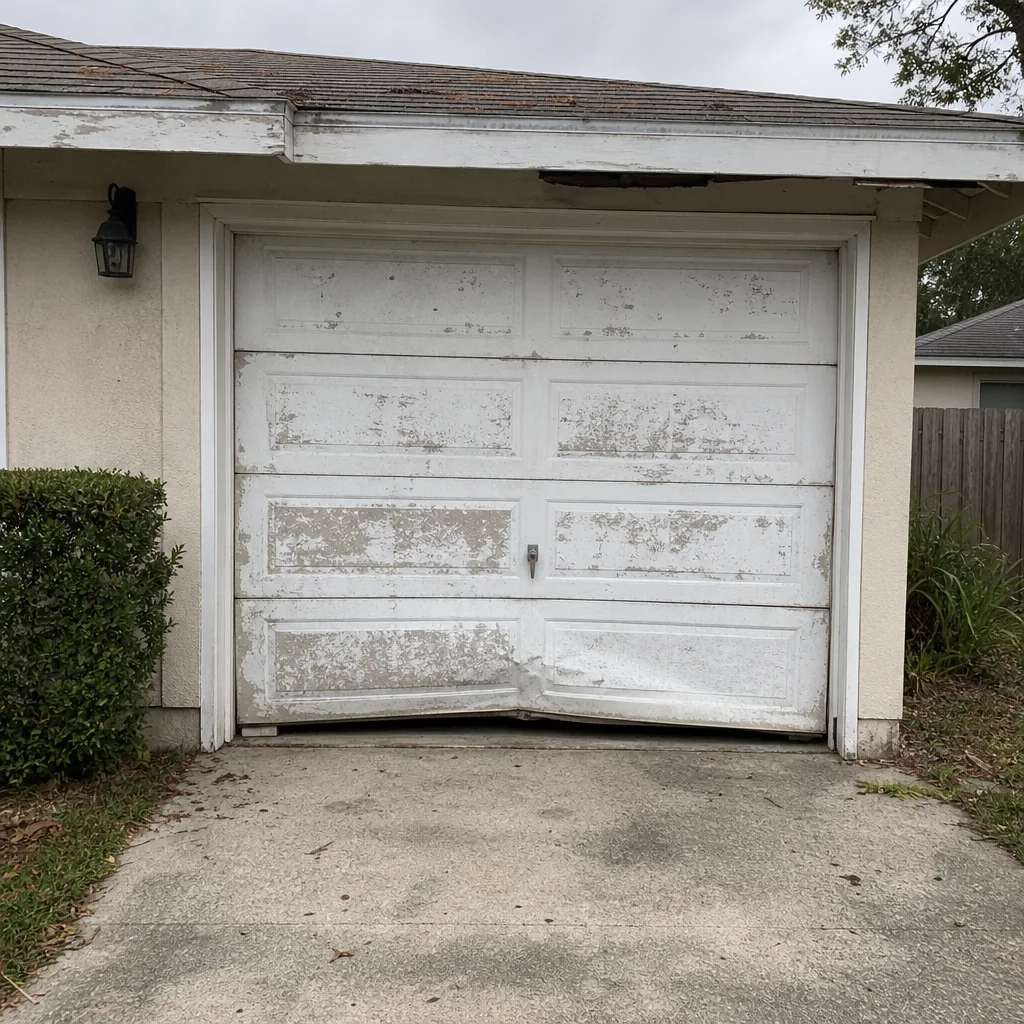 Before
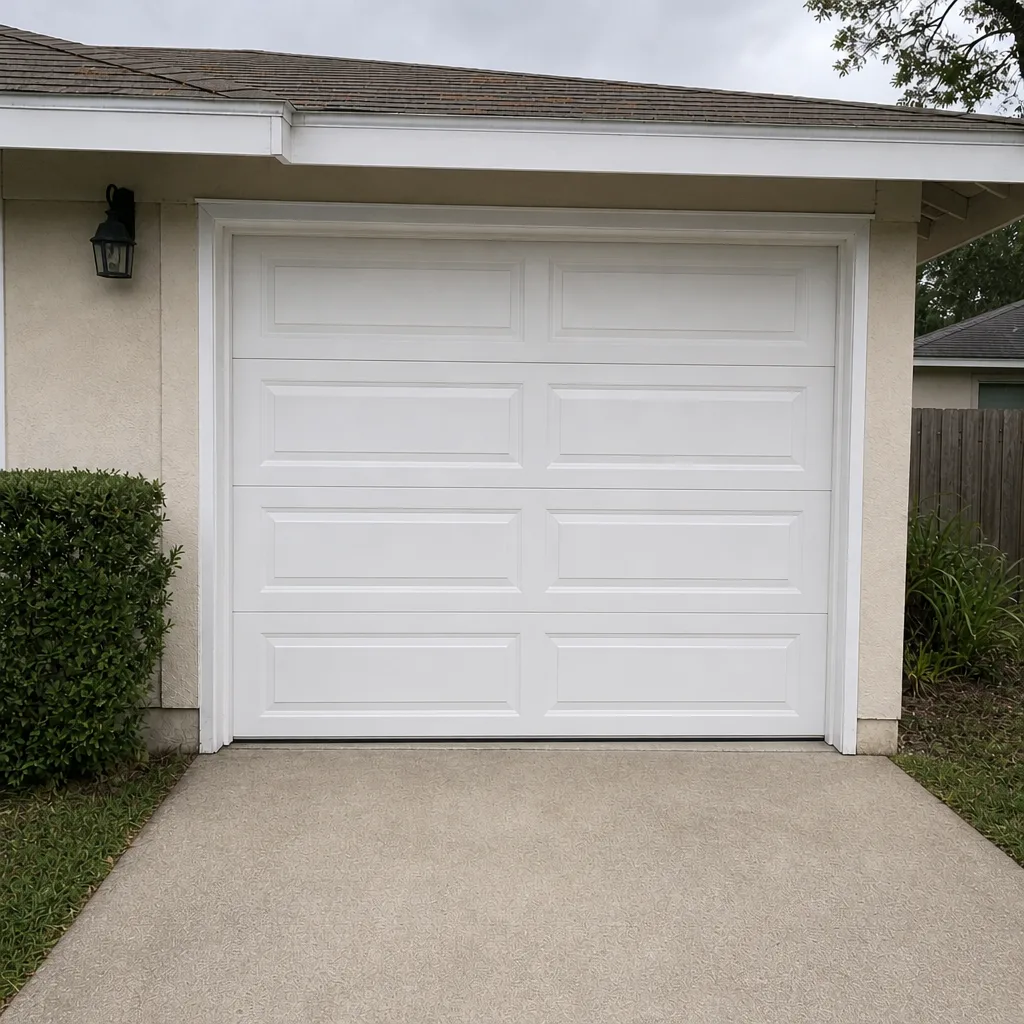 After
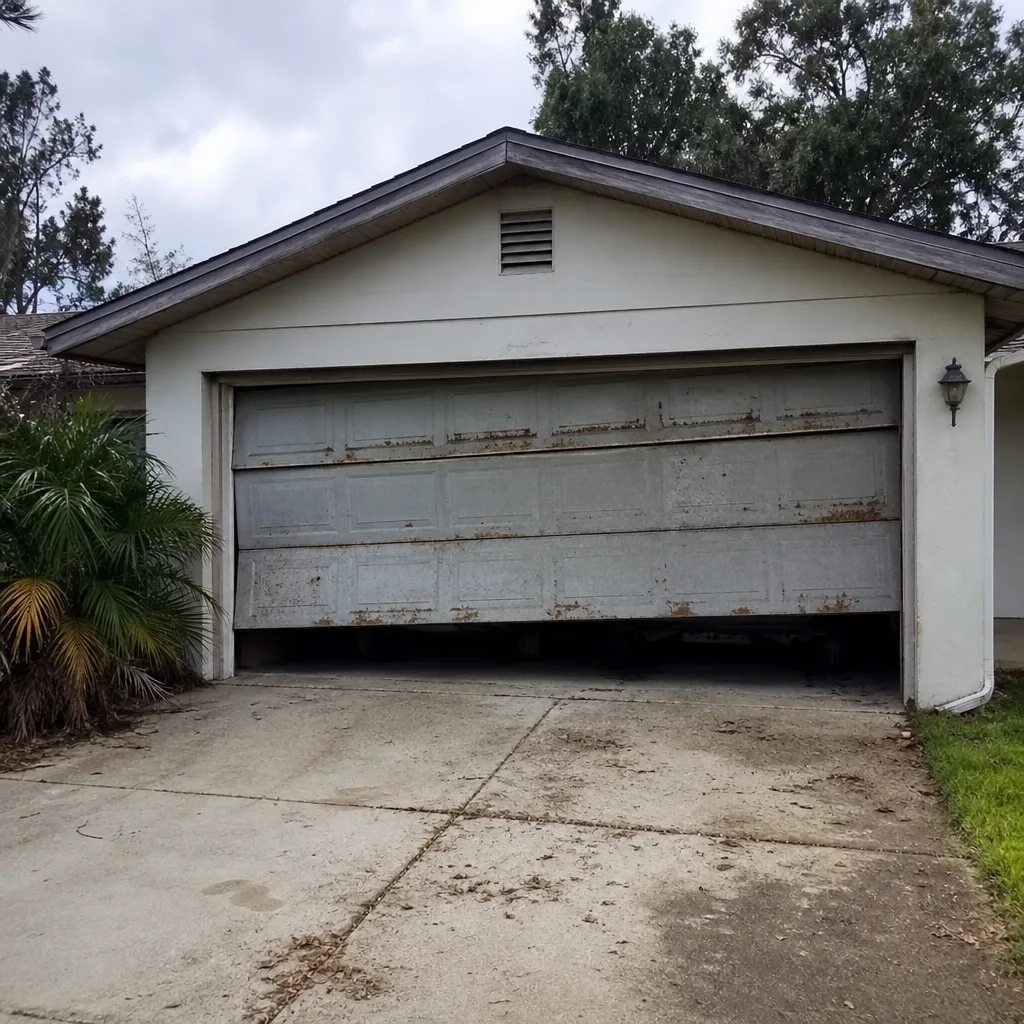 Before
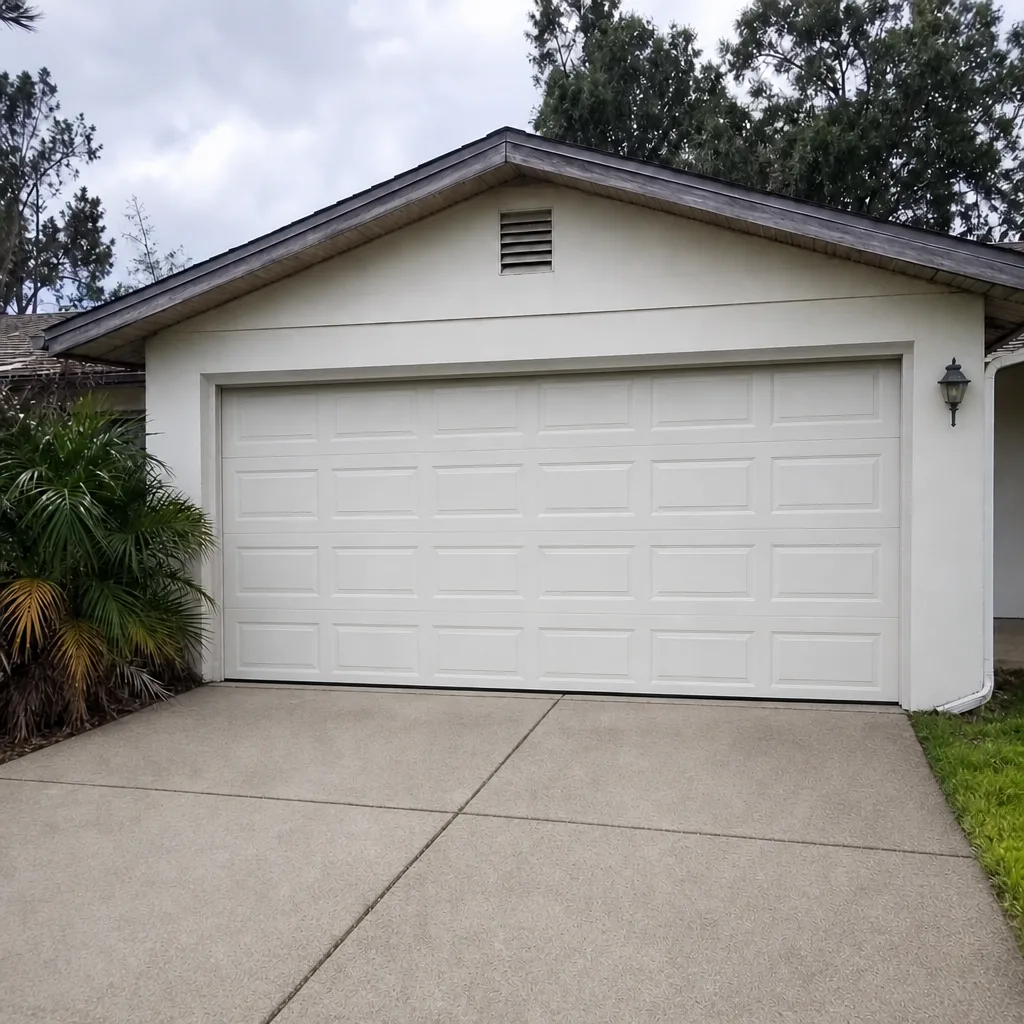 After
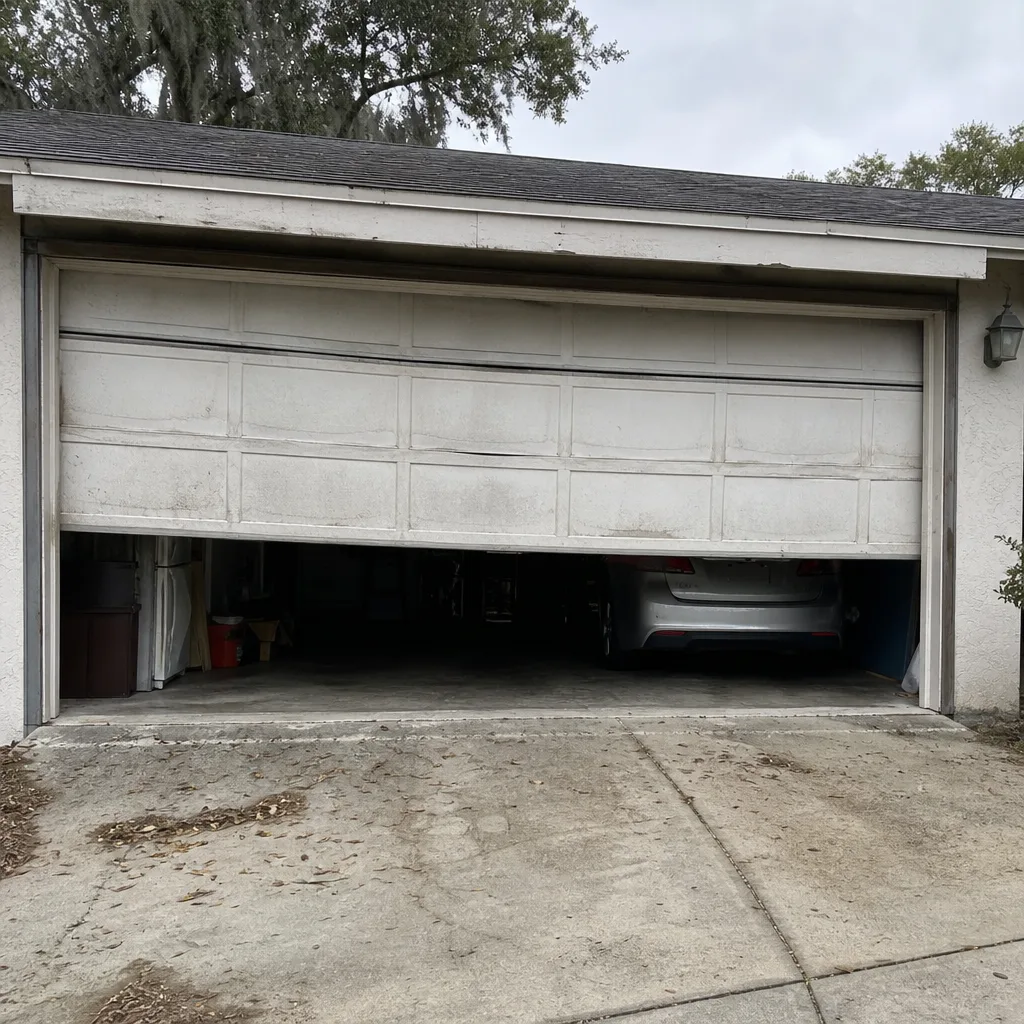 Before
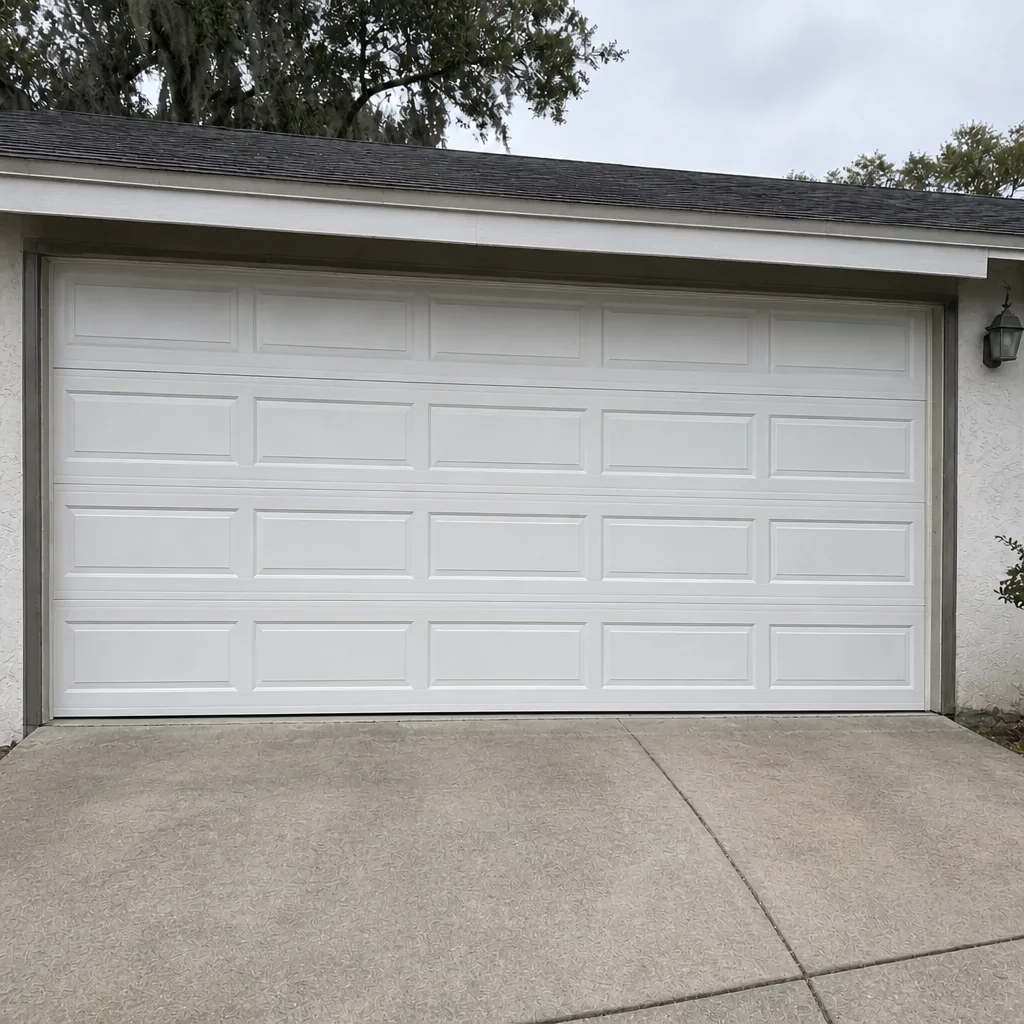 After
Frequently Asked Questions
April and May, before hurricane season opens on June 1. That’s the true prep deadline here, not the fall. Inspect the balance, seals, tracks, and safety reverse in late spring so the door is sound going into the hot, storm-prone months. Waiting until fall means the door faces the toughest part of the year without a check. If you’d like a free pre-season estimate, call (866) 481-7215.
Once a month through the humid months, and at least every few months year-round. Heat and humidity break down lubricant faster than in dry climates, and hinges, rollers, and springs are the parts that suffer most. Apply a thin, garage-door-specific lubricant to those parts, not to the tracks. If rust has already started on the hardware, call (866) 481-7215 for a look before it spreads.
Check the tracks, panels, seals, and safety reverse, and test the manual release before running the opener. Look for bent or bowed panels, misaligned tracks, and any new gap in the weatherstripping. Then run the door and listen for new noise or hesitation. If anything seems off, or if you see a spring with a visible gap, call a professional and don’t try to operate the door. Call (866) 481-7215 for a free estimate.
It’s better to wait for the mild window from November through February. Paint and sealant need cooler, drier conditions to cure properly, and summer heat and humidity make a durable finish much harder to achieve. Planning resealing and repainting for the mild months gives you a finish that lasts through the next summer. Call (866) 481-7215 to talk through timing and get a free estimate.
Yes. Storm damage to tracks and panels is often invisible from the ground, and a slightly misaligned door puts extra strain on the opener and springs every time it runs. A short inspection catches small alignment problems before they grow into repairs. If you’d rather have a trained eye on it after a storm, call (866) 481-7215 and we’ll inspect it and give you a written estimate.
Lubricate regularly, keep the garage ventilated, and choose corrosion-resistant finishes when you replace hardware or a door. Humidity works slowly on metal, so a regular lubrication routine does more than almost anything else to prevent corrosion. If your springs or hinges already show rust, call us for an assessment; don’t attempt to adjust or replace a spring yourself, because it’s under high tension. Call (866) 481-7215 for a free estimate.
The Bottom Line
Fruit Cove doesn’t have the four-season cycle the maintenance articles assume, and a door maintained on a cold-climate schedule will miss the deadlines that actually matter here. The important ones are the late-spring prep before June 1, the monthly seal and weatherstripping checks through peak heat, a post-storm inspection that doesn’t stop at “looks fine,” the mild window for paint and hardware work, and year-round humidity care on the springs and hinges. Do those things and your door holds up far better than one left alone. When something needs a technician, our openers and springs are handled by a team focused only on garage doors, and we work on the leading brands, including Amarr, Wayne Dalton, Craftsman, and Raynor. The price is quoted and agreed before any work starts. Call (866) 481-7215 for a free estimate. We answer 24/7, with fast dispatch from 7am to 7pm, Sunday through Friday.
Written by the team at Fruit Cove Garage Door Repair.